
Beautiful Plants For Your Interior
Beautiful Plants For Your Interior
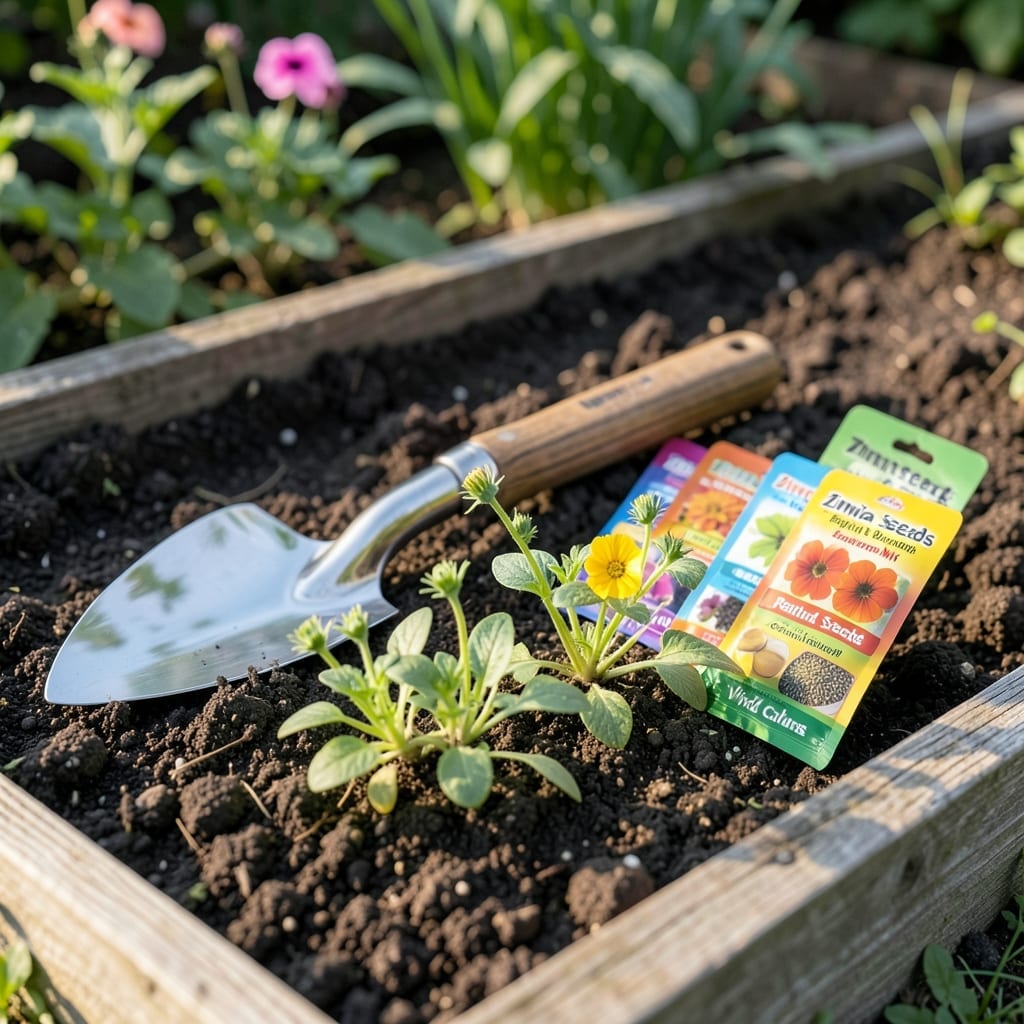
Timing is everything when planting Flowers in Georgia’s unique climate. The state’s humid summers and mild winters create distinct growing windows you won’t want to miss.
Whether you’re a seasoned gardener or just starting, knowing the right moment to plant can mean the difference between vibrant blooms and a lackluster garden. In zones 7b-8a, the timing is particularly crucial.
I’ve seen firsthand how planting at the wrong time leads to disappointment. But when you get it right, the results are stunning. Let me share what I’ve learned about Georgia’s planting calendar.
You’ll discover the ideal months for planting various Flowers and how to work with Georgia’s climate to create a garden that thrives throughout the seasons.
Georgia’s diverse climate zones (7b-8a) mean planting times vary. North Georgia has cooler springs, while South Georgia warms up earlier. Timing your flower planting right ensures stronger blooms and healthier plants.☀️
I always check the last frost date—typically April 15 for most of Georgia. Annuals should go in after frost, while perennials and bulbs can often handle earlier planting. Fall planting is ideal for spring-blooming bulbs.🌱
Season
Flower Type
Planting Time
Regions
Spring
Annuals
March–May
All
Summer
Heat-Tolerant
June–July
Central/South
Fall
Bulbs
Sept–Oct
All
Winter
Perennials
Feb–March
South
In North Georgia, I wait until mid-April for annuals like petunias and marigolds. The soil needs to warm to at least 60°F for best results. Perennials like cone flowers can go in early April.🌿
Central Georgia gardeners get a head start. I plant pansies and snapdragons in late February for early color. Summer annuals thrive when planted in May after the soil is warm.
South Georgia has the longest growing season. I start warm-season flowers like zinnias and cosmos in late March. Fall planting of dianthus and stock works well for winter blooms.
For bulbs, timing is critical. Tulips and daffodils need 6-8 weeks of chilling, so I plant them in October–November. Daylilies and irises can go in early fall or spring.
Don’t forget soil prep. I always test my soil pH and amend with compost before planting. Georgia’s clay soil benefits from organic matter to improve drainage and root growth.
Watch the weather forecasts closely. A late frost can damage tender annuals, so I keep frost cloth handy. Mulching helps regulate soil temperature and retain moisture during hot spells.💧
If you’re unsure, consult the USDA Plant Hardiness Zone Map. Georgia spans zones 7b-8a, so your exact location matters. I use local extension office resources for hyper-local advice.
Georgia’s diverse climate allows for a rich variety of flowers to thrive. From the vibrant azaleas to the hardy black-eyed Susans, timing is key to success. I always recommend starting with native or well-adapted species for the best results in our state’s unique conditions.
For annual flowers like petunias and marigolds, late March to early May is ideal after the last frost. Perennials such as coneflowers do well planted in early fall to establish roots before winter.
For bulb flowers like daffodils, October to November is perfect for spring blooms. I’ve found that soil temperature is often more important than air temperature for bulbs, so aim for soil below 60°F.
In North Georgia, you’ll want to plant a bit later than in South Georgia due to the cooler climate. The mountain regions can have frost as late as May, so adjust accordingly.
Don’t forget about soil preparation. I always work in compost before planting to give my flowers the best start. And remember, consistent watering is crucial for the first few weeks after planting.
With the right timing and care, your Georgia garden can be a colorful oasis from spring through fall. The key is understanding your specific region and the needs of each flower variety. 🌷