
Beautiful Plants For Your Interior
Beautiful Plants For Your Interior
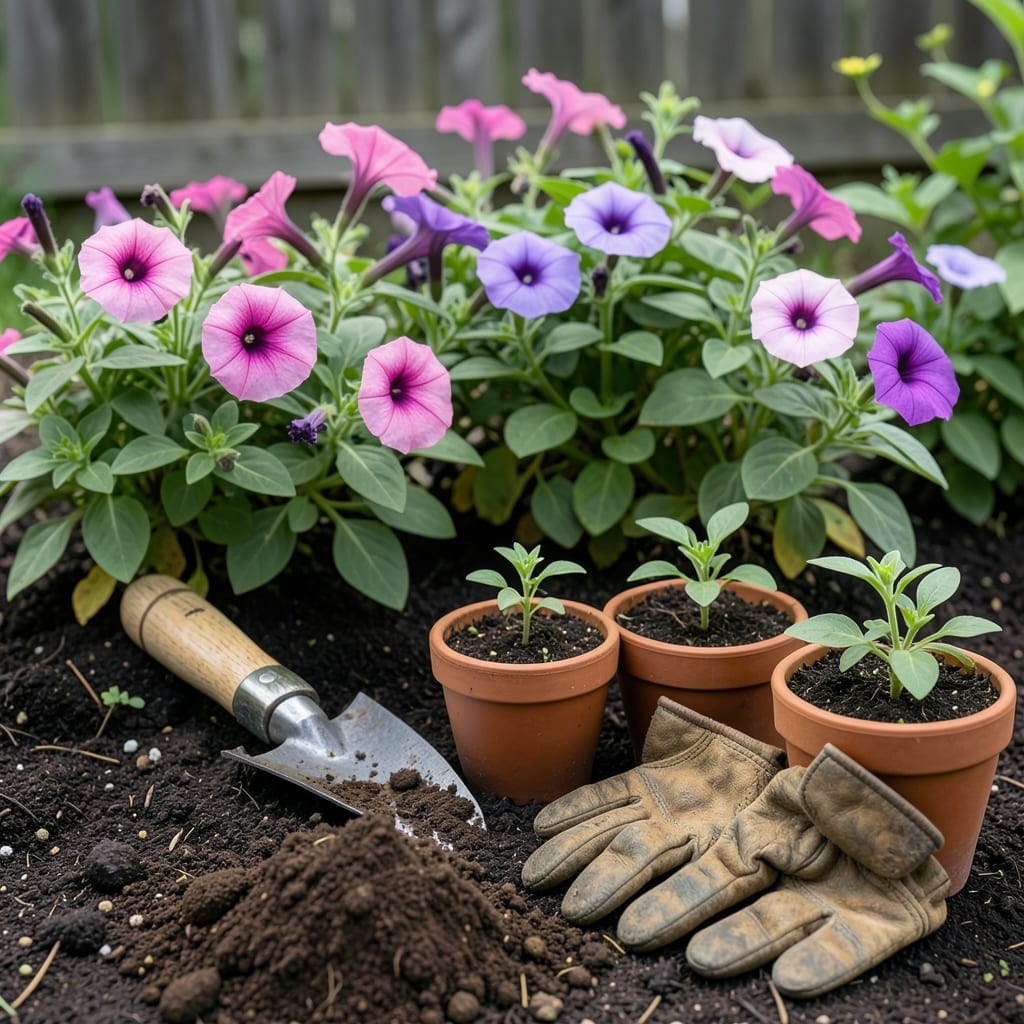
Timing is everything when planting 🌸 flowers in Denver’s unique Zone 5 climate, where late frosts can surprise even seasoned gardeners. One misstep with timing, and you might lose those vibrant blooms before they even begin.
I learned the hard way that Denver’s unpredictable springs demand precision. Plant too early, and a sudden cold snap could undo all your efforts. Wait too long, and you’ll miss the prime window for healthy growth.
Fortunately, there’s a simple schedule that aligns perfectly with our local conditions. By following this approach, you’ll give your flowers the best chance to thrive from April through September.
Discover the exact timing and techniques that work for Denver’s climate, and watch your garden flourish like never before.
Denver’s Zone 5 climate throws unique challenges at gardeners, from late spring frosts to dry summer spells. I’ve found that timing your flower planting just right is the key to a thriving garden.
The last frost date in Denver typically falls around May 15, but elevation and microclimates can shift this. Early bloomers like pansies can handle light frosts, while tender annuals need warmer soil.
| Season | Flower Type | Planting Window |
|---|---|---|
| Early Spring | Cold-hardy annuals | March-April |
| Late Spring | Tender annuals, perennials | May (after frost) |
| Summer | Heat-loving annuals | June-July |
| Fall | Spring bulbs, perennials | Sept-Oct |
For spring planting, I start with pansies and snapdragons in early April. These can tolerate light frosts and even a dusting of snow, giving your garden early color.
Once the soil warms in May, it’s time for marigolds, zinnias, and cosmos. These annuals thrive in Denver’s summer heat and bloom continuously until fall.
Perennials like coneflowers and black-eyed Susans can be planted in spring or fall. I prefer fall planting as it gives roots a head start before winter.
Don’t overlook bulbs for spring blooms. Tulips and daffodils should go in the ground in October, before the first hard frost, which is usually around October 15.
Summer annuals like petunias and impatients do best when planted after the last frost. I wait until late May to be safe, especially in higher elevations.
Remember, Denver’s dry climate means you’ll need to water deeply and mulch well to retain moisture. A 2-3 inch layer of mulch helps keep roots cool and conserves water.
By following this seasonal schedule, you’ll maximize your garden’s potential and enjoy vibrant blooms from spring through fall. It’s all about working with Denver’s unique climate, not against it.☀️
Denver’s Zone 5 climate demands careful flower selection. I’ve had the best luck with cold-hardy annuals like pansies and snapdragons for early spring color. These can handle light frosts and even snow.
For summer blooms, I always plant zinnias, marigolds, and cosmos. These thrive in Denver’s heat and dry conditions while providing continuous color until fall.
Perennials like coneflowers and black-eyed Susans are garden staples. I plant these in fall to establish roots before winter. They return bigger and stronger each year.
For cut flowers, I love dahlias and sunflowers. Plant dahlia tubers in late May after the soil warms. Sunflowers can go in the ground in early June for late summer blooms.
Don’t forget native wildflowers like blanket flower and Rocky Mountain bee plant. These are drought-tolerant and support local pollinators. Plant seeds in fall or early spring.
Remember that elevation matters in Denver. If you’re at a higher elevation, adjust planting times 2-3 weeks later than the typical dates. Always check your specific microclimate conditions.🌻