
Beautiful Plants For Your Interior
Beautiful Plants For Your Interior
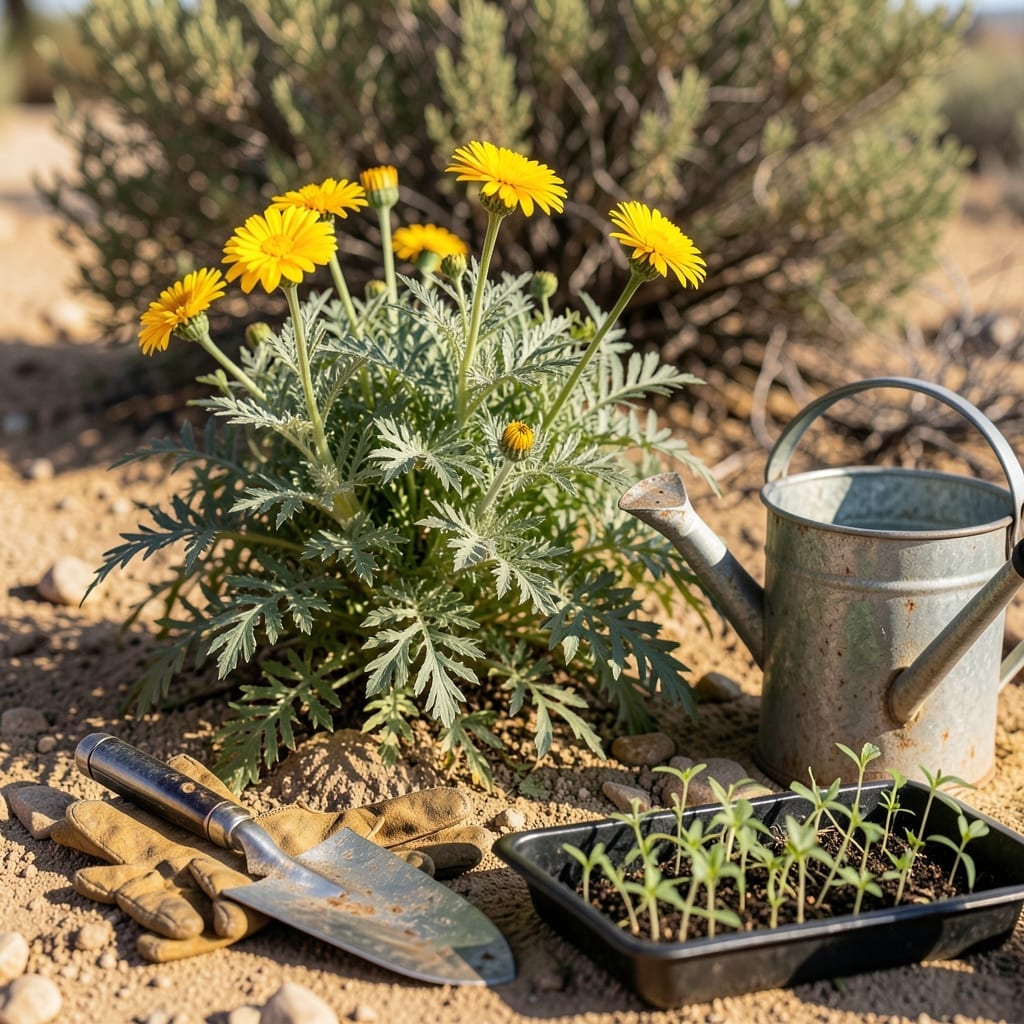
Arizona’s desert climate makes flower planting a game-changer for gardeners. Timing is everything here, where the wrong month can turn vibrant dreams into wilted disappointments.
I’ve learned through trial and error that September through March offers the sweet spot for most 🌸 Flowers in zone 9b. The cooler months give roots time to establish before summer’s intense heat arrives.
Whether you’re in Phoenix’s low desert or Flagstaff’s high country, understanding your local microclimate is key. What works in one area might flop in another just a few miles away.
Discover how to sync your planting with Arizona’s unique seasons. I’ll share the exact schedule that transformed my garden from struggling to spectacular.
Planning your flower garden in Arizona means working with the climate, not against it. The state’s diverse zones demand different approaches, from Phoenix’s low desert to Sedona’s intermediate elevation areas. 🌵
I’ve found that September through March offers the best window for most regions, but timing shifts with altitude. Higher elevations can handle late spring plantings, while desert areas need fall and winter starts.
| Region | Best Planting Months | Key Considerations |
|---|---|---|
| Low Desert (Phoenix) | Sept-Mar | Avoid June-August extreme heat |
| Intermediate (Tucson) | Sept-Apr | Watch for late frosts in April |
| High Desert (Flagstaff) | May-Sept | Shorter growing season due to cold |
In the low desert, I start my annual flowers in October when temperatures drop below 90°F. This gives them time to establish before summer’s 110°F+ days hit. 🌡️
For perennial flowers, late September through February works best. Varieties like desert marigold and penstemon thrive when planted during this window, developing deep root systems before heat arrives.
The intermediate zones around Tucson offer more flexibility. Here, I can push planting into early April for heat-tolerant varieties like lantana and bougainvillea, but always with afternoon shade protection.
High desert areas require a completely different approach. With frost possible until May, I wait until soil temperatures reach at least 60°F before planting. The season is shorter, but flowers like columbine and blanket flower do beautifully.
Microclimates matter everywhere in Arizona. A north-facing wall might stay cool enough for spring planting, while a south-facing slope could be too hot even in March. I always check my specific spot’s conditions.
For wildflower mixes, I’ve had success sowing in November in low desert areas. The winter rains help germination, and they bloom spectacularly in spring before the heat sets in. In higher elevations, I wait until late April.
Remember that container planting offers more flexibility. I can start flowers earlier in pots and move them to optimal locations as seasons change. This is especially useful for tender annuals that need protection from both frost and extreme heat.
No matter your region, soil preparation is crucial. I always amend with compost before planting, as Arizona’s native soils often lack organic matter. This helps retain moisture and provides essential nutrients for strong growth. 🌱
When Arizona’s summer heat hits triple digits, not all flowers can survive. I’ve tested dozens of varieties to find the true heat warriors that thrive in our brutal conditions.
These drought-tolerant bloomers don’t just survive—they flourish with minimal fuss. Proper selection means less watering and more vibrant color throughout our longest season.
For lantana, I recommend planting in well-draining soil and watering deeply but infrequently. This encourages deep root growth, which is crucial for heat survival.
Portulaca is my go-to for rock gardens or containers. Its fleshy leaves store water, making it perfect for forgetful gardeners or dry spells.
Remember that even heat-tolerant flowers need some afternoon shade in our most extreme areas. I use shade cloth during peak summer months to protect my blooms.
With these varieties, you’ll have color from May through September. Pair them with good mulching practices for even better results. 🌻