
Beautiful Plants For Your Interior
Beautiful Plants For Your Interior
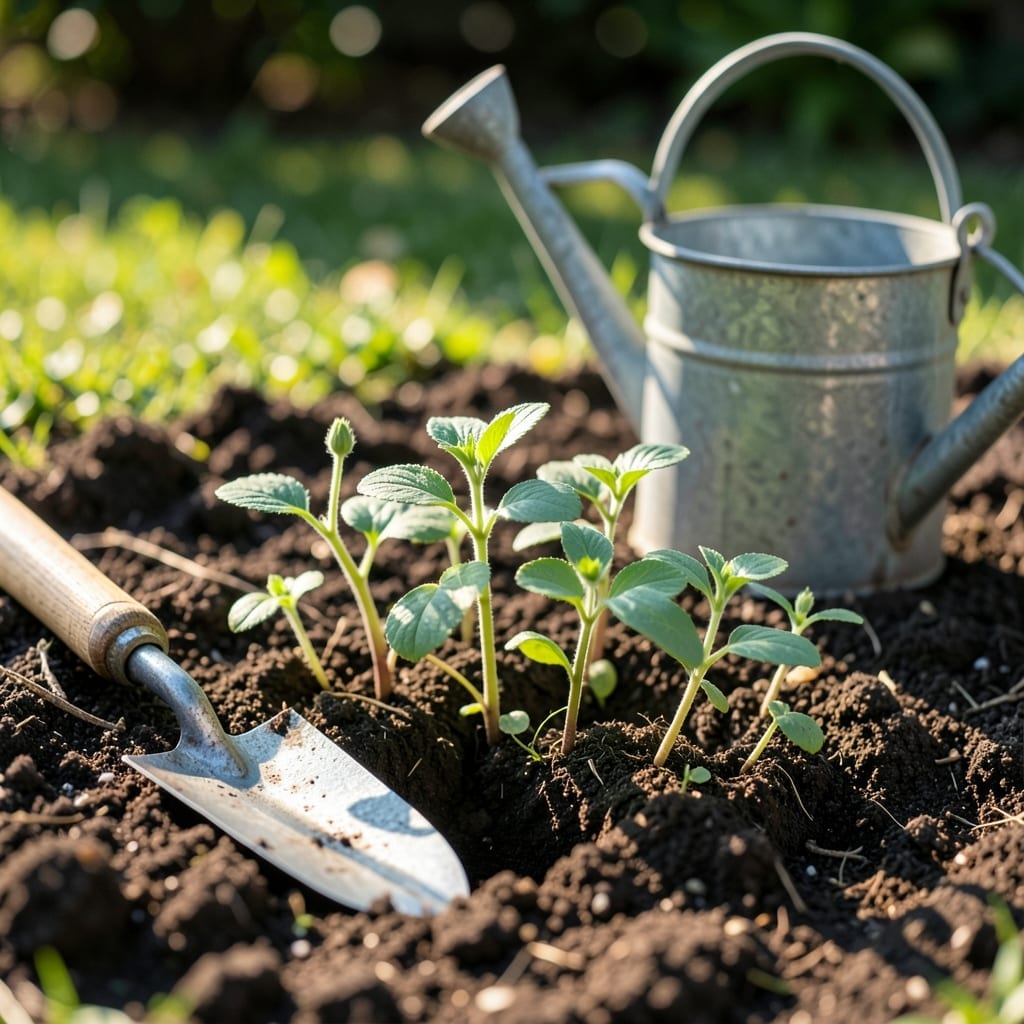
Alabama’s warm climate and long growing season make it a paradise for flower gardeners, but timing is everything to ensure blooms thrive. Plant too early or too late, and your garden might struggle to reach its full potential.
I’ve learned that spring and fall are the most important windows for planting 🌸 in zones 7b-8a. These seasons avoid the extremes of summer heat and winter cold, giving your flowers the best start.
Whether you’re planting annuals, perennials, or bulbs, understanding Alabama’s unique rhythm is the key to success. From frost dates to soil prep, every detail matters.
Discover how to align your planting schedule with nature’s cues. Let me show you when and how to create a garden that bursts with color all season long.
Timing your flower planting in Alabama means working with its three distinct regions. Each has slightly different frost dates and microclimates that can shift your schedule by weeks.
North Alabama (Zone 7a) typically sees its last frost around April 1, while South Alabama (Zone 8b) may be frost-free by March 15. This difference is critical for tender annuals.
| Region | Last Frost | Warm-Season Start | Cool-Season Start |
|---|---|---|---|
| North AL | April 1 | Mid-April | Late August |
| Central AL | March 25 | Early April | Mid-August |
| South AL | March 15 | Late March | Early August |
For warm-season flowers like zinnias and marigolds, wait until soil temps hit 60°F. In South Alabama, this often happens by late March, but North Alabama may need to wait until mid-April.
Cool-season flowers such as pansies and snapdragons thrive when planted 6-8 weeks before the first frost. In Central Alabama, that means mid-August planting for fall color.
I always check my local soil temperature with a simple thermometer. If it’s below 55°F, I hold off on planting heat-loving annuals. This small step prevents stunted growth and poor blooming.
Perennials like coneflowers and black-eyed Susans can go in early spring or fall. Fall planting gives roots time to establish before winter dormancy, leading to stronger plants next year.
Bulbs such as dahlias and gladiolus need warm soil. Plant them after the last frost when the soil is workable. In South Alabama, this can be as early as late February.
For best results, I recommend starting seeds indoors 6-8 weeks before your last frost date. This gives tender plants like petunias and impatiens a head start before transplanting.
Remember, Alabama’s humidity can lead to fungal issues. Always space plants for good airflow and water at the base to keep foliage dry. This simple practice keeps your flower garden healthy and vibrant ☀️
Finally, mulching helps retain moisture and regulate soil temperature. I use 2-3 inches of organic mulch around my flowers to beat the summer heat and reduce weeds 🌿
Alabama’s diverse climate allows for year-round blooms if you choose the right flowers for each season. I’ve found that spring is ideal for pansies and petunias, while summer thrives with zinnias and marigolds that love the heat.
For fall color, chrysanthemums and asters shine, and winter can still bring life with snapdragons and violas. Each variety has its own sun and water needs, so planning is key 🌷
I always recommend starting seeds indoors for tender annuals like zinnias about 6-8 weeks before the last frost. This gives them a head start before transplanting into the garden.
Perennials like black-eyed Susans and daylilies are low-maintenance and return yearly, making them perfect for Alabama’s humid summers. They need well-draining soil and full sun to thrive.
For bulbs, daffodils and tulips should be planted in fall for spring blooms. I’ve learned that soil temperature below 60°F is ideal for root development before winter.
Don’t forget native wildflowers like butterfly weed and coreopsis. They’re drought-tolerant and attract pollinators, which keeps your garden buzzing with life 🌻
To extend your blooming season, deadhead spent flowers regularly and fertilize lightly every 4-6 weeks during the growing season. This simple step can make a big difference in flower production 🌿