
Beautiful Plants For Your Interior
Beautiful Plants For Your Interior
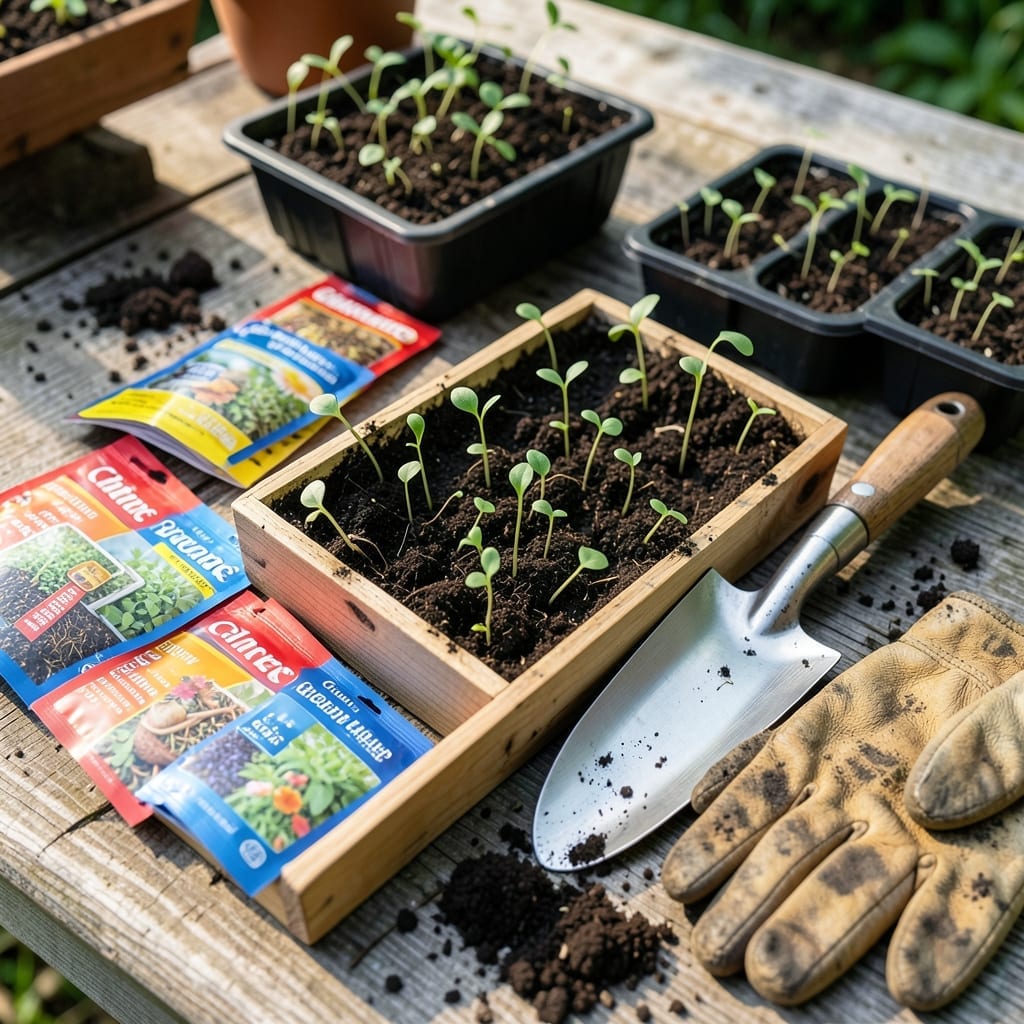
Timing is everything when planting 🌸 Flower seeds in Zone 6, where the growing season runs from mid-April to late October. One wrong move with your schedule, and frost could destroy all your hard work.
Plant too early, and a late freeze might wipe out your seedlings. Wait too long, and you might miss the blooming window entirely. It’s all about hitting that sweet spot.
I’ve learned the hard way that knowing your local frost dates is the key to success. With 180 frost-free days, Zone 6 gives you plenty of room—but only if you plan carefully.
Let me show you exactly when to get those seeds in the ground for vibrant, healthy 🌸 Flowers that thrive all season long.
In USDA Zone 6, your planting calendar revolves around two key dates: the last frost around April 15 and the first frost near October 15. This gives you about 180 frost-free days to work with.
I always start by checking the soil temperature—most flower seeds need at least 50°F to germinate. A simple soil thermometer can save you from planting too early.
| Flower Type | Spring Planting | Fall Planting | Soil Temp |
|---|---|---|---|
| Annuals | After last frost | 8-10 weeks before first frost | 60-70°F |
| Perennials | 2-3 weeks before last frost | 6-8 weeks before first frost | 50-60°F |
| Biennials | Early spring or late summer | Late summer | 55-65°F |
For spring planting, I focus on hardy annuals like sweet peas and pansies that can handle a light frost. These can go in 4-6 weeks before the last frost date.
Tender annuals such as zinnias and marigolds need warmer soil. I wait until after the last frost when the soil has warmed to at least 60°F.
Fall planting is perfect for perennials and biennials. I aim to get seeds in the ground 6-8 weeks before the first frost. This gives roots time to establish before winter.
Don’t forget about succession planting! For continuous blooms, I sow a new batch of fast-growing annuals like cosmos every 2-3 weeks through early summer.
Another trick I use is indoor starting. For flowers with a long growing season, like snapdragons or dahlias, I begin seeds indoors 6-8 weeks before the last frost.
Always remember that microclimates matter in Zone 6. A sunny south-facing wall might be 5-10°F warmer than the rest of your garden, allowing for earlier planting.
Finally, keep an eye on the 10-day forecast. If a late frost is predicted after you’ve planted, be ready to cover seedlings with frost cloth or old blankets.
With this schedule, you’ll maximize your Zone 6 growing season and enjoy blooms from early spring through fall 🌻
In Zone 6, not all flower seeds are created equal. Some thrive when direct sown, while others need a head start indoors to reach maturity before the growing season ends.
I’ve found that fast-growing annuals like cosmos and sunflowers do beautifully when planted directly in the garden after the last frost date.
| Approach | Best For | Examples | When to Start |
|---|---|---|---|
| Direct Sow | Fast growers | Cosmos, Zinnias, Sunflowers | After last frost |
| Indoor Start | Slow growers | Snapdragons, Dahlias, Petunias | 6-8 weeks before last frost |
| Direct Sow | Cold-hardy | Pansies, Sweet Peas | 4-6 weeks before last frost |
For direct sowing, I prepare the soil by removing weeds and loosening it to a depth of 12-15 inches. This gives roots room to spread and access to nutrients.
Indoor starting is ideal for flowers with a longer growing season. I use seed trays with a well-draining mix and place them under grow lights or in a sunny window.
Once seedlings have 2-3 true leaves, I harden them off by gradually exposing them to outdoor conditions over 7-10 days. This prevents shock when transplanting.
Remember, transplanting should be done on a cloudy day or in the evening to reduce stress on the plants. Water thoroughly after planting to help them settle in 🌱