
Beautiful Plants For Your Interior
Beautiful Plants For Your Interior
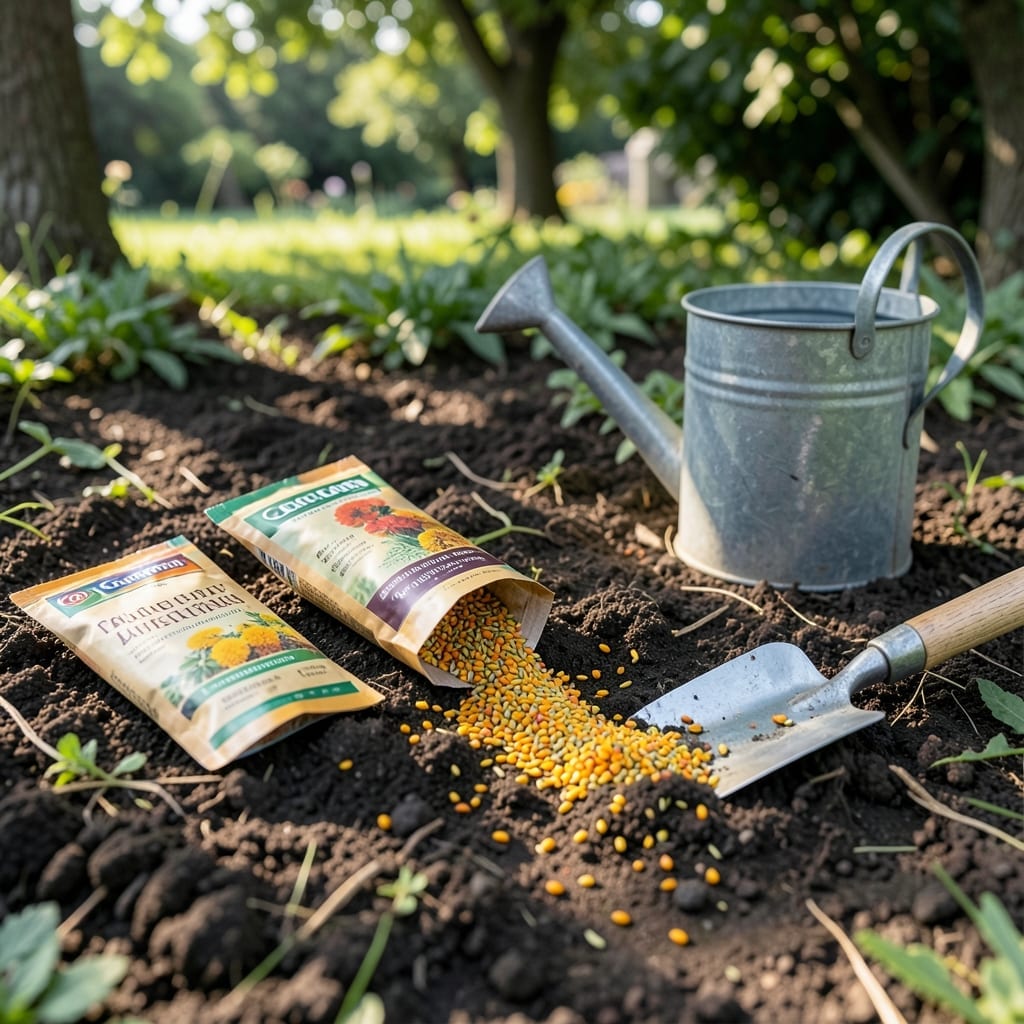
Timing is everything when planting 🌸 Flower seeds in Wisconsin, where unpredictable frosts can make or break your garden. One miscalculation and you might lose your entire crop to a late spring chill.
I learned this the hard way my first season, but now I know the exact window that works. The key lies in understanding Wisconsin’s unique climate patterns and frost dates.
Whether you’re a beginner or a seasoned gardener, getting this right means more vibrant blooms and less wasted effort. The good news? It’s simpler than you think.
Let me walk you through the best approach for planting Flower seeds that will thrive in zones 4a-5b. Your garden will thank you.
In Wisconsin, your planting schedule hinges on USDA hardiness zones 3 through 5. These zones determine when frost typically ends and begins, which is critical for flower seed success. I always check my local zone first to avoid costly mistakes.
The last frost date varies from early May in southern regions to late May or early June up north. This window dictates when to sow annuals, perennials, and biennials for optimal growth and blooms.
| Region | USDA Zone | Last Frost Date | First Frost Date |
|---|---|---|---|
| Southern Wisconsin | 5 | May 10-15 | October 15-20 |
| Central Wisconsin | 4 | May 15-20 | October 10-15 |
| Northern Wisconsin | 3-4 | May 20-June 1 | September 20-30 |
I’ve learned that microclimates matter too. Urban areas like Milwaukee or Madison often warm up 1-2 weeks earlier than rural spots. This means you can start pansies or snapdragons earlier in the city.
Soil temperature is another key factor. Most flower seeds need soil at least 60°F to germinate. I use a soil thermometer to check before planting marigolds or zinnias in late spring.
For annual flowers, I wait until after the last frost date. But perennials can often handle light frosts, so I plant those earlier. Biennials like foxglove need a full year to establish, so timing is everything.
If you’re eager to get a head start, consider starting seeds indoors 6-8 weeks before the last frost. This works great for geraniums and petunias. Just be sure to harden off seedlings before transplanting them outside.
Row covers are a lifesaver for extending the season. I use them to protect cold-sensitive plants from unexpected late frosts. They can buy you an extra 2-3 weeks of growing time in spring and fall.
Remember, Wisconsin’s growing season is relatively short, averaging 120-150 days. Choose fast-maturing varieties and prioritize frost-tolerant flowers like calendula and sweet alyssum for early and late plantings.
I always keep a garden journal to track my planting dates and results. This helps me refine my schedule each year based on actual conditions rather than just general guidelines. It’s amazing how much difference a few days can make! 🌱
Wisconsin’s growing seasons offer unique opportunities for flower gardening. I’ve found that timing your plantings by season ensures continuous blooms from early spring through fall. Each season has its ideal candidates.
Early spring is perfect for cold-hardy flowers like pansies and snapdragons. These can tolerate light frosts and even thrive in cooler temperatures, giving your garden a head start.
As temperatures rise in late spring, I switch to frost-sensitive varieties. Marigolds, zinnias, and cosmos love the warmth and will reward you with vibrant colors all summer long.
Summer planting focuses on fast-growing, heat-tolerant flowers. Sunflowers and black-eyed Susans are my go-to choices. They establish quickly and can handle Wisconsin’s summer heat and occasional drought periods.
Don’t overlook fall planting opportunities. Calendula and ornamental kale can be direct-sown in late summer for beautiful autumn displays. These cool-season lovers often bloom until the first hard frost.
For the best results, I always check soil temperature before planting. Most warm-season flowers need 60-70°F soil to germinate properly. A simple soil thermometer takes the guesswork out of timing.
Remember that succession planting can extend your bloom season. I sow a new batch of zinnias every 2-3 weeks for continuous flowers. This technique works especially well with fast-growing annuals. 🌻