
Beautiful Plants For Your Interior
Beautiful Plants For Your Interior
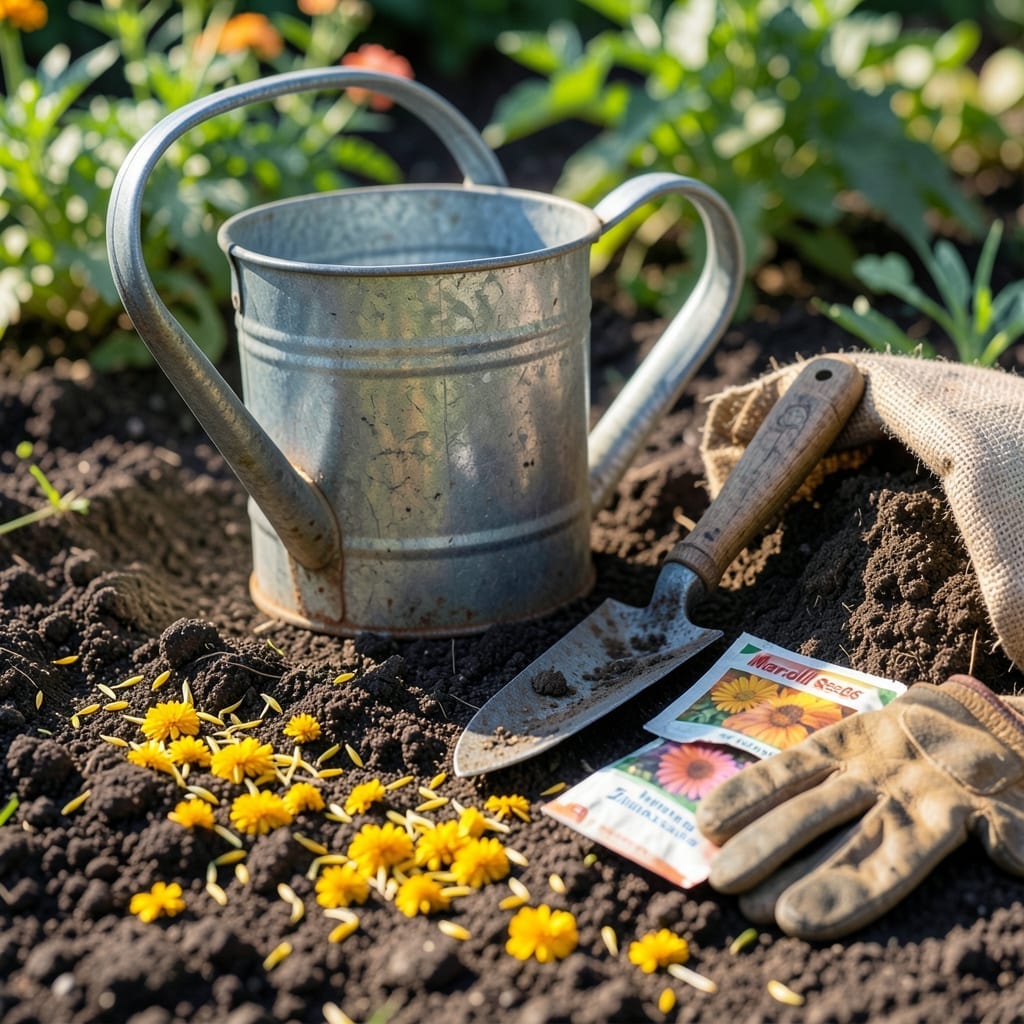
Timing is everything when planting Flower seeds in Tennessee. With its diverse climate zones, knowing the right moment to sow can mean the difference between lackluster blooms and a vibrant, thriving garden.
As a gardener in zones 7a-7b, you have a unique advantage. The state’s 200 frost-free days give you two ideal windows to get those 🌸 seeds in the ground.
I’ve learned that planting too early or too late can sabotage your efforts. The sweet spot aligns with nature’s rhythm, not just the calendar.
Let me show you exactly when to plant for the best results, so you can enjoy a season filled with color and life.
Tennessee spans USDA zones 6a-8b, creating varied planting windows. In East Tennessee (zone 6a-7a), cooler springs mean wait until mid-April for most flowers. The last frost date here is typically April 15, but elevation affects timing.
For Middle Tennessee (zone 7a-7b), early April works for hardy annuals like sweet peas or larkspur. Tender varieties need late April planting after soil warms to 60°F.
| Region | Zone | Last Frost | Planting Window |
|---|---|---|---|
| East TN | 6a-7a | April 15 | Mid-April to May |
| Middle TN | 7a-7b | April 10 | Early April to May |
| West TN | 7b-8b | March 25 | Late March to April |
West Tennessee (zone 7b-8b) enjoys the earliest planting. Here, late March sowing works for cosmos and zinnias. The first frost arrives around October 15, giving a long growing season.
For perennials like black-eyed Susans, plant seeds in early fall (September). This allows roots to establish before winter dormancy. Biennials such as foxgloves prefer late summer sowing.
Soil temperature matters as much as air temperature. Use a soil thermometer to confirm 60-70°F for warm-season flowers. Cool-season flowers like pansies tolerate 40-50°F soil.
Microclimates can shift planting times by 2-3 weeks. Urban areas and south-facing slopes warm faster. Conversely, low-lying areas stay cooler and may need delayed planting.
In East Tennessee, high elevation areas (above 2,000 ft) often experience later frosts. Here, wait until May for tender annuals. Always check local weather forecasts for unexpected cold snaps.
For fall planting, count backward from your first frost date. Most flowers need 6-8 weeks to establish before cold weather. In Middle Tennessee, that means sowing by mid-August.
Remember, these are general guidelines. Your specific garden conditions, including soil type and sunlight, will influence the best timing. When in doubt, start seeds indoors 4-6 weeks before transplanting outside.
I always recommend keeping a garden journal to track your planting dates and results. This helps refine your timing each year for the most vibrant blooms in your Tennessee garden 🌷
Planning your flower seed planting around Tennessee’s seasons ensures a garden bursting with color. I’ve found that spring and fall offer the best windows for most varieties.
For spring planting, aim to sow after the last frost, typically around April 15 in most of the state. This gives tender annuals like zinnias and marigolds a safe start.
If you’re eager to get a head start, begin indoor seed starting about 6-8 weeks before your last frost date. This works wonders for slow-growing flowers like petunias and geraniums.
For fall planting, count backward from your first frost date, which is around October 15. Many flowers need 8-10 weeks to establish before cold weather hits.
Remember that microclimates can affect your timing. Areas near the Mississippi River might have slightly different conditions than the Appalachian region. 🌿
Always check your local weather forecast and be prepared to protect young seedlings from unexpected late frosts or early cold snaps.
With this seasonal approach, you’ll maximize your garden’s potential and enjoy blooms from early spring through late fall. 🌻