
Beautiful Plants For Your Interior
Beautiful Plants For Your Interior
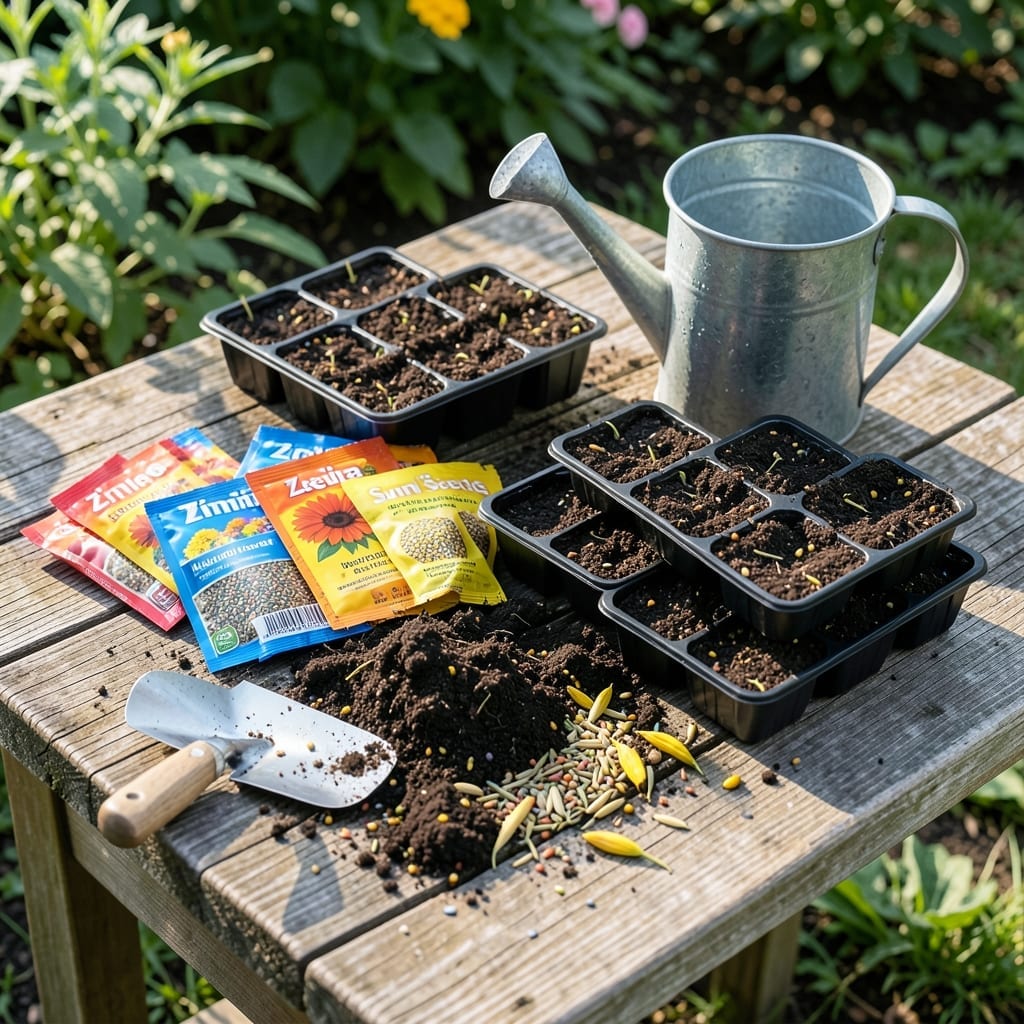
Timing is everything when planting Flower seeds in Michigan’s unpredictable climate. Get it right, and you’ll enjoy a vibrant garden all season long.
I’ve learned that 5b to 6a zones come with their own rules. Plant too early, and frost might wipe out your efforts. Wait too long, and you’ll miss the prime growing window.
That’s why knowing the best months—like April and May—can make all the difference. These are the sweet spots where soil warms up just enough for seeds to thrive.
Discover how to align your planting schedule with Michigan’s unique seasons. Your garden will thank you with bursts of color from June through September.
Michigan’s Zone 5 climate means we must time our flower seed planting carefully to avoid frost damage. The last frost date is typically May 15, but this varies slightly across the state.
I’ve found that soil temperature is just as important as air temperature. Most annual flowers need soil at least 60°F to germinate properly, while perennials can handle slightly cooler conditions.
For early bloomers like pansies and snapdragons, I start seeds indoors in late February. This gives them a head start before transplanting outdoors in April.
When planting directly outdoors, I always check the soil temperature with a garden thermometer. Zinnias and marigolds won’t germinate well if the soil is below 60°F.
Michigan’s unpredictable springs mean I often use row covers for early plantings. These protect young seedlings from late frosts while still allowing sunlight and water through.
For perennial flowers, I’ve had great success planting coneflowers and black-eyed Susans in early May. These hardy plants establish well before the summer heat arrives.
Don’t forget about succession planting! I sow new cosmos and sunflower seeds every 2-3 weeks from May to July for continuous blooms.
In northern Michigan (Zone 4), the growing season is shorter. Here, I focus on fast-growing annuals like calendula and nasturtiums that mature in 60 days or less.
Remember, local microclimates matter. Areas near Lake Michigan often have cooler springs and milder falls, allowing for slightly different planting windows.
I always keep a gardening journal to track my planting dates and results. This helps me refine my schedule each year based on Michigan’s ever-changing weather patterns. 🌱
In Michigan’s Zone 5, timing your flower seed planting can mean the difference between thriving blooms and lackluster growth. I’ve found that early spring and late summer offer unique advantages for different flower types.
For cold-hardy annuals like pansies or snapdragons, planting in early April gives them a head start before the heat sets in. These flowers tolerate cool soil and even light frosts, making them perfect for Michigan’s unpredictable springs.
On the other hand, heat-loving annuals like zinnias or marigolds prefer late May planting. They need warmer soil (at least 60°F) to germinate properly and thrive in Michigan’s summer heat.
For perennials, early fall planting can be ideal. Seeds sown in September establish roots before winter, leading to stronger plants the following spring. Think cone flowers or black-eyed Susans for this approach.
I always recommend checking the seed packet for specific instructions, but these general guidelines work well for most Michigan gardens. Remember, our last frost date is typically around May 15, so plan accordingly.
Whether you’re planting early or late, the key is matching your flower choices to the season. This approach ensures a continuous bloom cycle from spring through fall in your Michigan garden 🌷