
Beautiful Plants For Your Interior
Beautiful Plants For Your Interior
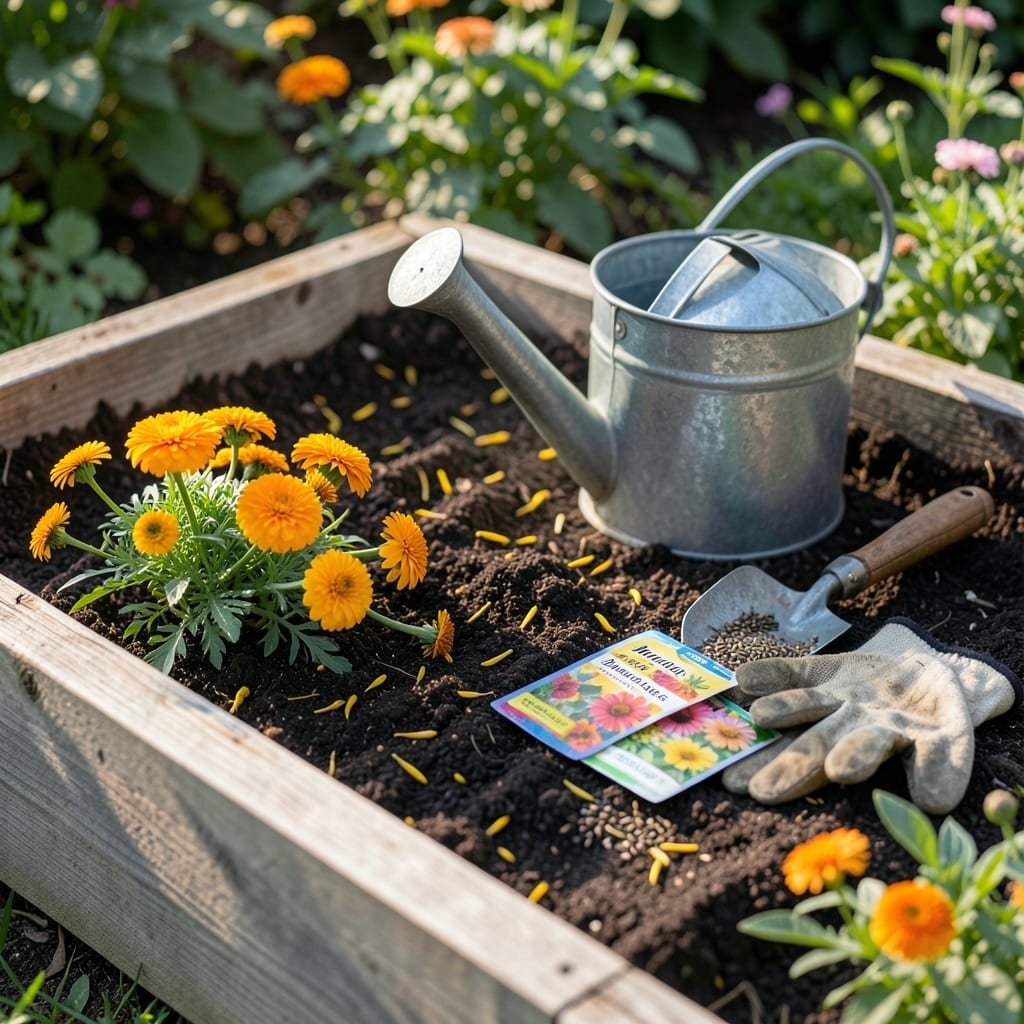
Timing is everything when planting 🌸 Flower seeds in Massachusetts—start too early, and frost will ruin your blooms. Wait too long, and you’ll miss the entire growing season for Zone 5b to 7a. This guide helps you nail the perfect schedule.
I’ve seen many gardeners struggle with this balance, but the solution is simpler than you think. By understanding your local climate and frost dates, you can set your garden up for success from the very beginning.
Discover the ideal window to plant Flower seeds, whether you’re starting indoors or sowing directly outside. With the right timing, you’ll enjoy vibrant blooms all season long.
Let’s break down the best approach so you can plant with confidence and avoid the most common mistakes. Your dream garden starts with getting this step right.
In Massachusetts Zone 5, your flower planting schedule revolves around two key dates: the last frost (typically April 15–May 15) and the first frost in fall. These dates are your roadmap for success.
I always recommend marking these dates on your calendar. They determine when to start seeds indoors, when to transplant, and when to direct sow. Getting this right means stronger plants and longer blooming seasons.
| Season | Task | Timing | Notes |
|---|---|---|---|
| Early Spring | Start indoors | March 1–15 | Annuals like petunias, geraniums |
| Late Spring | Transplant outdoors | After last frost | Hardened-off seedlings |
| Spring | Direct sow | May 1–15 | Hardy annuals like calendula, snapdragons |
| Summer | Sow heat lovers | Late May–June | Zinnias, cosmos, sunflowers |
| Fall | Plant perennials | September | Allows root establishment |
For perennials and biennials, timing shifts slightly. I plant these in early fall or late summer to give roots time to establish before winter. This approach leads to stronger plants the following year.
Soil temperature matters just as much as air temperature. Most flower seeds need 60–70°F soil to germinate. Use a soil thermometer to check—don’t guess!
In Western MA (Zone 5b), frost dates may be 1–2 weeks later than coastal areas. Always check your local frost dates for precision. I use the UMass Extension resource for this.
For cool-season flowers like pansies and sweet alyssum, you can direct sow 4–6 weeks before the last frost. These tough plants handle light frosts beautifully.
Remember, microclimates in your yard can change these timelines. A south-facing wall warms up faster than a shady spot. Observe your garden’s unique conditions.
Finally, keep a garden journal to track what works. I note planting dates, germination rates, and bloom times. This data helps me refine my schedule each year for bigger, better blooms. ☀️
In Massachusetts’ Zone 5, some flowers thrive when direct sown outdoors, while others need an indoor head start. Knowing the difference can make or break your garden’s success.
I’ve found that hardy annuals like calendula and sweet peas handle early spring sowing well, while tender varieties such as zinnias or cosmos benefit from indoor germination.
| Planting Method | Flower Examples | Best Time |
|---|---|---|
| Direct Sow | Calendula, Sweet Peas, Poppies | Early spring or late summer |
| Start Indoors | Zinnias, Cosmos, Petunias | 6-8 weeks before last frost |
For direct sowing, wait until soil temps reach at least 50°F. This usually aligns with mid-April to May in most of Massachusetts.
If you’re starting indoors, use seed trays and a grow light to ensure strong, healthy seedlings. I recommend transplanting them after the last frost date, typically May 15th.
Perennials like coneflowers and black-eyed Susans can be direct sown in early fall for spring germination. This mimics their natural growth cycle.
Remember, microclimates matter! A south-facing wall or urban heat island can create warmer pockets, allowing for earlier planting in some areas.
Always check your local soil temperature and weather forecasts before making final decisions. A little patience goes a long way! 🌱