
Beautiful Plants For Your Interior
Beautiful Plants For Your Interior
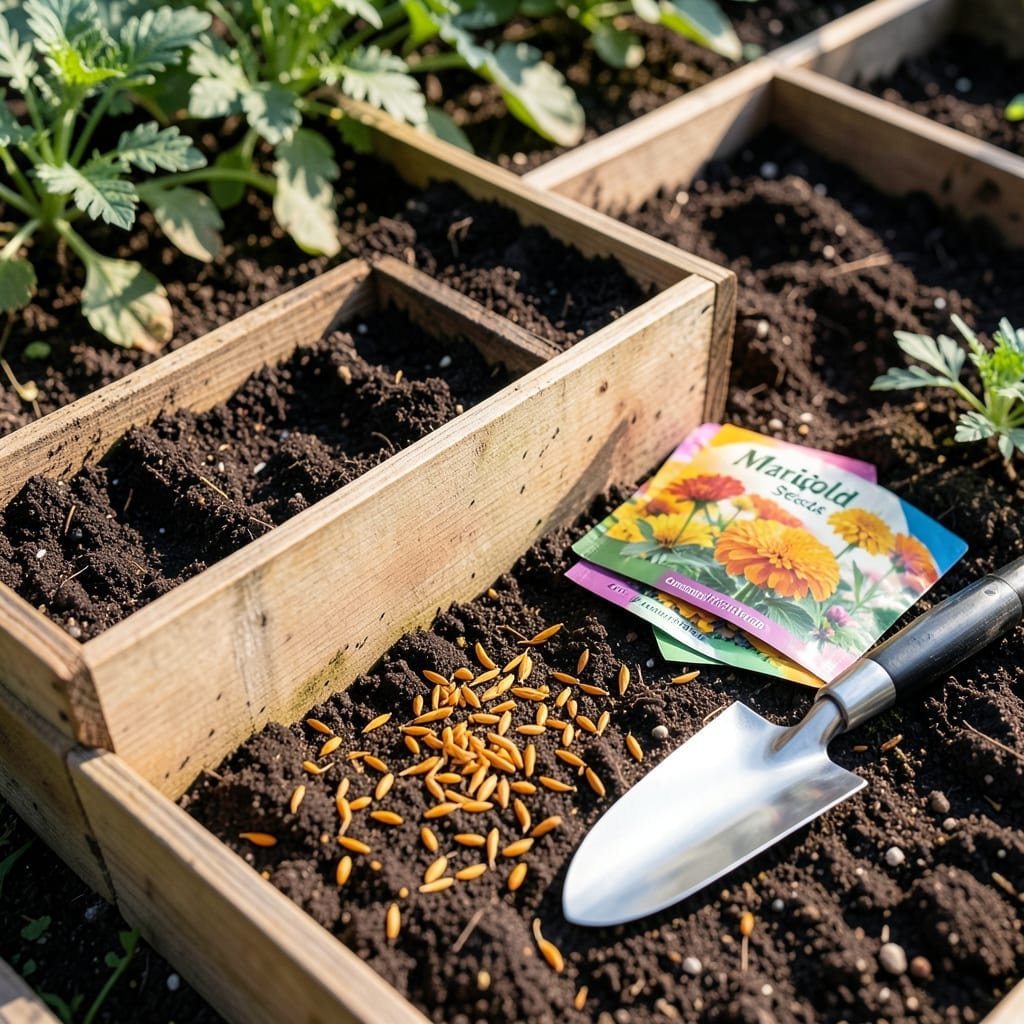
Timing is everything when planting 🌸 Flower seeds in Kansas—plant too early, and frost may kill your blooms; too late, and summer heat could stunt their growth.
This guide breaks down the exact windows for success based on Kansas’s distinct climate zones. You’ll discover how to work with the state’s frost dates and soil conditions.
Whether you’re growing annuals, perennials, or wildflowers, nailing the timing ensures vibrant, healthy plants. I’ll show you the most important factors to consider.
From indoor starts to direct sowing, you’ll find a clear roadmap for when to get your Flower seeds in the ground. Let’s make this your best planting season yet.
Kansas spans USDA zones 5-6, meaning your planting dates vary slightly by location. In zone 5 (northwest), the last frost typically hits April 20-30, while zone 6 (southeast) sees it earlier, around April 10-20. These dates are your green light for direct sowing.
For annual flowers like zinnias or marigolds, start seeds indoors 6-8 weeks before your last frost. This gives them a head start before transplanting after the danger of frost has passed.
| Region | Last Frost | Indoor Start | Direct Sow |
|---|---|---|---|
| Zone 5 | April 20-30 | Feb 20-Mar 10 | May 1-10 |
| Zone 6 | April 10-20 | Feb 10-Mar 1 | April 20-30 |
| Wildflowers | N/A | Not needed | Late March-May |
Perennials like cone flowers or black-eyed Susans can be direct sown 2-3 weeks before your last frost. They’re hardier and can handle a light chill, giving them a jump on the growing season.
Soil temperature matters too. Most flower seeds need soil at least 60°F to germinate. Use a soil thermometer to check—if it’s still too cold, wait a week or start seeds indoors under grow lights.
For native wildflowers, timing is more flexible. Scatter seeds in late fall for natural stratification, or plant in early spring as soon as the soil can be worked. These tough plants often thrive with minimal intervention.
If you’re in urban areas like Wichita or Kansas City, microclimates can shift your dates. South-facing walls or paved areas may warm up faster, allowing for slightly earlier planting.
Always check your local weather forecast as spring approaches. A late cold snap can derail even the best-laid plans. I recommend keeping frost cloth on hand for unexpected temperature drops.
Pro tip: Label your seed trays with both the planting date and flower variety. This helps track germination times and adjust future planting schedules for even better results.
By aligning your planting with these zone-specific guidelines, you’ll maximize your chances of vibrant, healthy blooms all season long. Happy gardening!
🌻Kansas gardeners need to align their flower seed planting with the state’s seasonal shifts. Early spring is ideal for cold-hardy annuals like snapdragons or pansies, which tolerate light frosts.
For warm-season flowers such as zinnias and marigolds, wait until after the last frost—typically mid-April in most regions. This timing prevents heat stress or frost damage.
Indoor starts give tender flowers a head start. I recommend beginning 6-8 weeks before the last frost for varieties like petunias or impatiens. Use a grow light if natural light is limited.
Direct sowing works best for fast-growing annuals such as nasturtiums and poppies. These thrive when planted directly into warmed soil after frost danger has passed.
For perennials and native wildflowers, fall planting can be ideal. The cool temperatures and autumn rains help seeds establish strong root systems before winter.
Always check your local frost dates and adjust accordingly. A soil thermometer is a handy tool to ensure optimal conditions for germination 🌱