
Beautiful Plants For Your Interior
Beautiful Plants For Your Interior
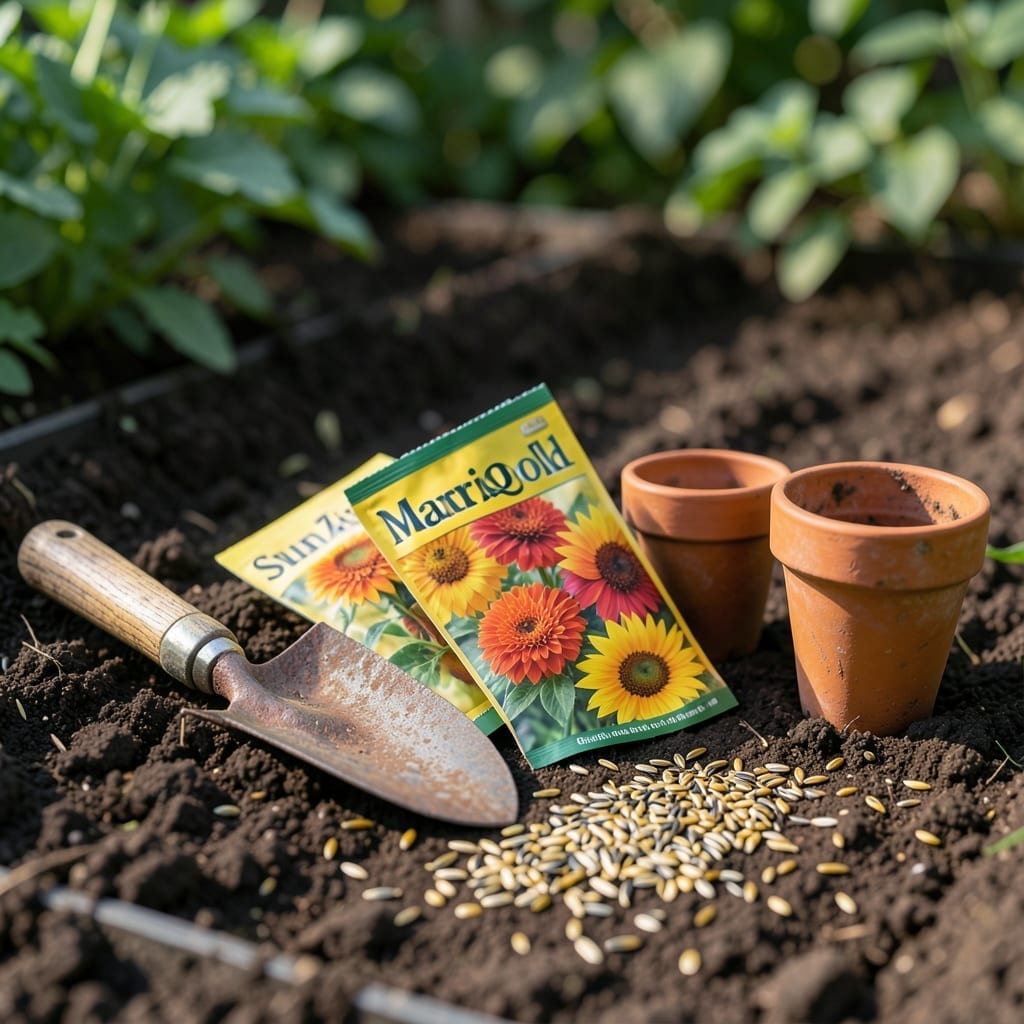
Timing is everything when planting 🌸 Flower seeds in Indiana—start too early and frost may kill your seedlings, too late and you’ll miss the blooming season.
This guide helps Hoosier gardeners nail the perfect planting schedule for vibrant, healthy flowers all year round. Whether you’re a beginner or a seasoned gardener, getting the timing right is the key to success.
With Indiana’s zones 5b-6a, you need to work with the climate, not against it. I’ll show you how to align your planting with the seasons for optimal results.
Discover the best months to plant, essential frost dates to remember, and tips to ensure your garden thrives from the very first seed.
Indiana spans USDA zones 5b-6a, meaning your planting schedule depends on your exact location. The last frost date typically falls around April 15, while the first frost arrives near October 15. This gives you a 180-day growing season to work with.
For the best results, I recommend starting cold-hardy annuals like pansies and snapdragons 4-6 weeks before the last frost. Tender annuals such as zinnias and marigolds should wait until after the frost date when soil temps hit 50°F.
| Month | Zone 5b | Zone 6a | Recommended Flowers |
|---|---|---|---|
| March | Start Indoors | Start Indoors | Petunias, Geraniums |
| April | After 15th | Direct Sow | Pansies, Sweet Peas |
| May | Direct Sow | Direct Sow | Zinnias, Cosmos |
| June | Succession Plant | Succession Plant | Marigolds, Sunflowers |
For perennials like coneflowers and black-eyed Susans, early spring or fall planting works best. These hardy plants establish roots before extreme heat or cold. I’ve had great success with fall planting as it gives them a head start for next year.
Biennials such as foxgloves and hollyhocks need an early start. Sow these indoors in February or directly in late summer for blooms the following year. Remember, biennials have a two-year life cycle, so patience is key.
Soil temperature is another critical factor. Most flower seeds germinate best at 60-75°F. Use a soil thermometer to check conditions. If the soil is too cold, seeds may rot rather than sprout.
In Northern Indiana (Zone 5b), you’ll want to wait a bit longer than gardeners in Southern Indiana (Zone 6a). The difference can be 2-3 weeks for tender plants. Always check your local frost dates for precision.
For early bloomers like sweet alyssum, you can direct sow as soon as the soil is workable. These cool-season annuals tolerate light frosts and will reward you with early color. I love their delicate fragrance in spring gardens.
Don’t forget about succession planting for continuous blooms. After your first wave of zinnias or cosmos finishes, plant another round. This technique extends your flowering season well into fall.
Finally, keep a garden journal to track what works in your specific microclimate. Indiana’s weather can be unpredictable, and your notes will become invaluable for future planting seasons 🌱
Indiana’s weather can be a rollercoaster, but with the right strategies, you can outsmart those unpredictable swings. I’ve found that soil prep is your first line of defense—warm, well-draining soil gives seeds the best start.
Early and late frosts are common, so frost protection like row covers or cold frames can extend your growing season by weeks. This is especially helpful for delicate annuals.
For succession planting, I sow fast growers like zinnias every 2 weeks to keep color coming all summer. This works great in Indiana’s zones 5b-6a.
Cold frames let me start seeds 4-6 weeks early without risk. Even a simple DIY version with old windows can make a big difference.
Always check the 10-day forecast before direct sowing. Indiana’s weather can change fast, and young seedlings are vulnerable to sudden cold snaps.
Finally, keep a garden journal to track what works in your specific microclimate. My notes show that cosmos and sunflowers handle Indiana’s swings better than most. 🌻