
Beautiful Plants For Your Interior
Beautiful Plants For Your Interior
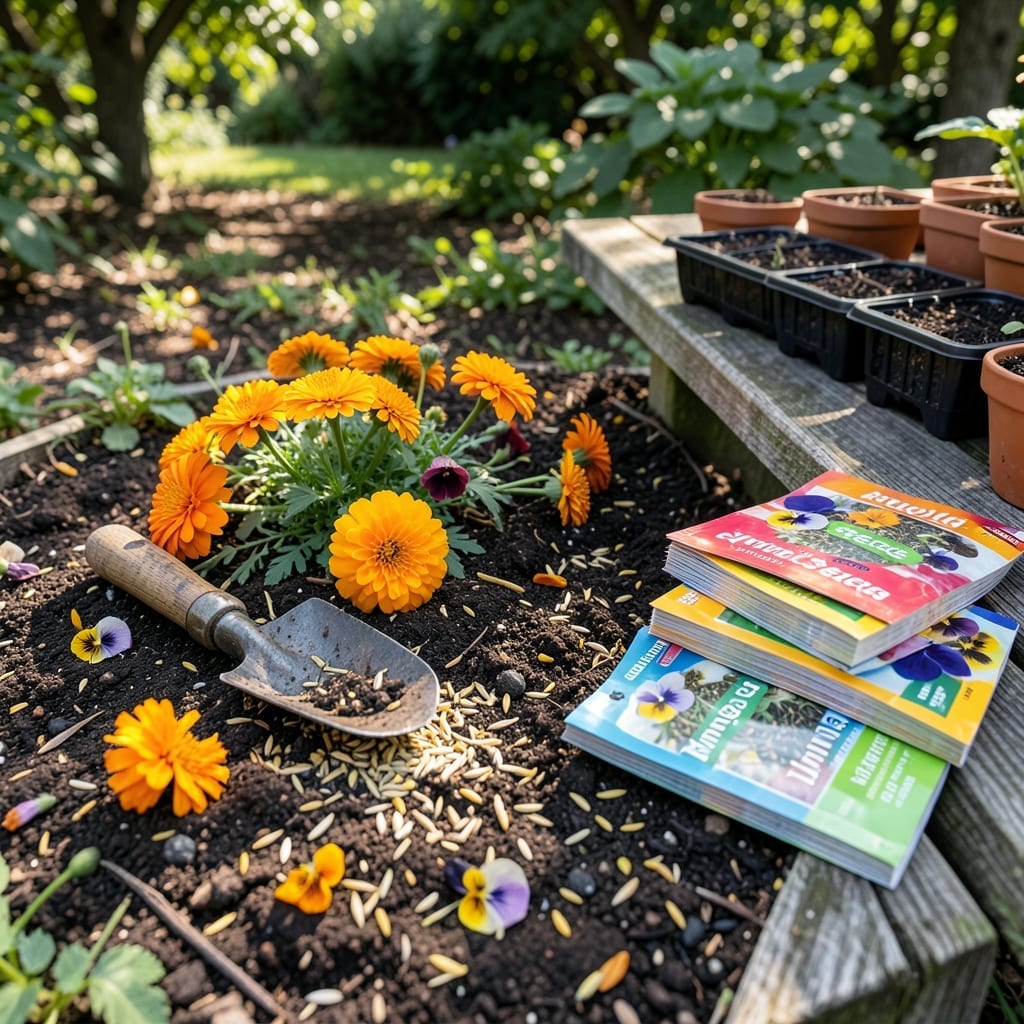
Timing is everything when planting 🌸 Flower seeds in Colorado’s unique climate. One misstep with the calendar, and you could lose weeks of growing time to a late frost.
Colorado’s Zone 5b-7a brings challenges many gardeners don’t expect. The short growing season means every day counts when you want vibrant blooms from June to October.
I’ve learned the hard way that starting too early or too late can ruin your entire garden. The good news? There’s a proven window that maximizes your success.
Discover the precise timing that turns Colorado’s tricky climate into your advantage. Your most beautiful 🌸 Flower garden starts with this one decision.
Colorado’s Zone 5 climate presents unique challenges with its short growing season and unpredictable late frosts. I’ve found that timing is critical to avoid losing seeds to a sudden cold snap or missing the window for warm-season blooms.☀️
The last frost date in most of Colorado is around May 15, but this can vary by elevation. I always recommend checking local frost forecasts and soil temperatures before planting. For cool-season flowers, early spring or late summer planting works best.
| Season | Flower Type | Planting Window | Soil Temp |
|---|---|---|---|
| Early Spring | Pansies, Snapdragons | March-April | 40-50°F |
| Late Spring | Cosmos, Marigolds | May-June | 60-70°F |
| Fall | Calendula, Alyssum | August-Sept | 50-60°F |
For cool-season flowers like pansies and snapdragons, I start seeds indoors 6-8 weeks before the last frost. This gives them a head start before transplanting outdoors in early spring or late summer.🌱
Warm-season flowers such as cosmos and marigolds need soil temps above 60°F. I wait until after May 15 to direct sow these, ensuring the soil has warmed sufficiently for optimal germination.
In high-altitude areas, the growing season is even shorter. I’ve had success with fast-maturing varieties and using row covers to protect seedlings from unexpected late frosts. Always keep an eye on the weather forecast.
For fall planting, I aim to sow seeds 6-8 weeks before the first frost, typically around October 15. This allows calendula and alyssum to establish before winter sets in. These flowers can often overwinter and bloom again in spring.🌿
Microclimates in Colorado can vary dramatically. I’ve noticed that south-facing slopes warm up faster in spring, while low-lying areas may stay cooler longer. Adjust your planting schedule based on your specific garden conditions.
Finally, keep a garden journal to track your planting dates and results. This helps me refine my schedule each year, accounting for Colorado’s unpredictable weather patterns and improving my success rate with each season.✂️
Colorado’s short growing season demands flowers that can handle cool nights and bloom quickly. I’ve found that fast-maturing varieties are your best bet for vibrant gardens in Zone 5.
Look for cold-hardy flowers like pansies and snapdragons that can even tolerate light frosts. These thrive when started early indoors or direct-sown after the last frost.
For warm-season flowers like zinnias or marigolds, wait until after May 15 when soil warms to at least 60°F. These need consistent warmth to thrive.
Don’t overlook native wildflowers like blanket flower or purple coneflower. They’re adapted to Colorado’s conditions and often require less water once established.
Remember, successful gardening in Colorado means matching flower varieties to your specific microclimate. Higher elevations may need even hardier selections.
With the right choices, you’ll enjoy continuous blooms from early summer through fall, even in our challenging Zone 5 climate