
Beautiful Plants For Your Interior
Beautiful Plants For Your Interior
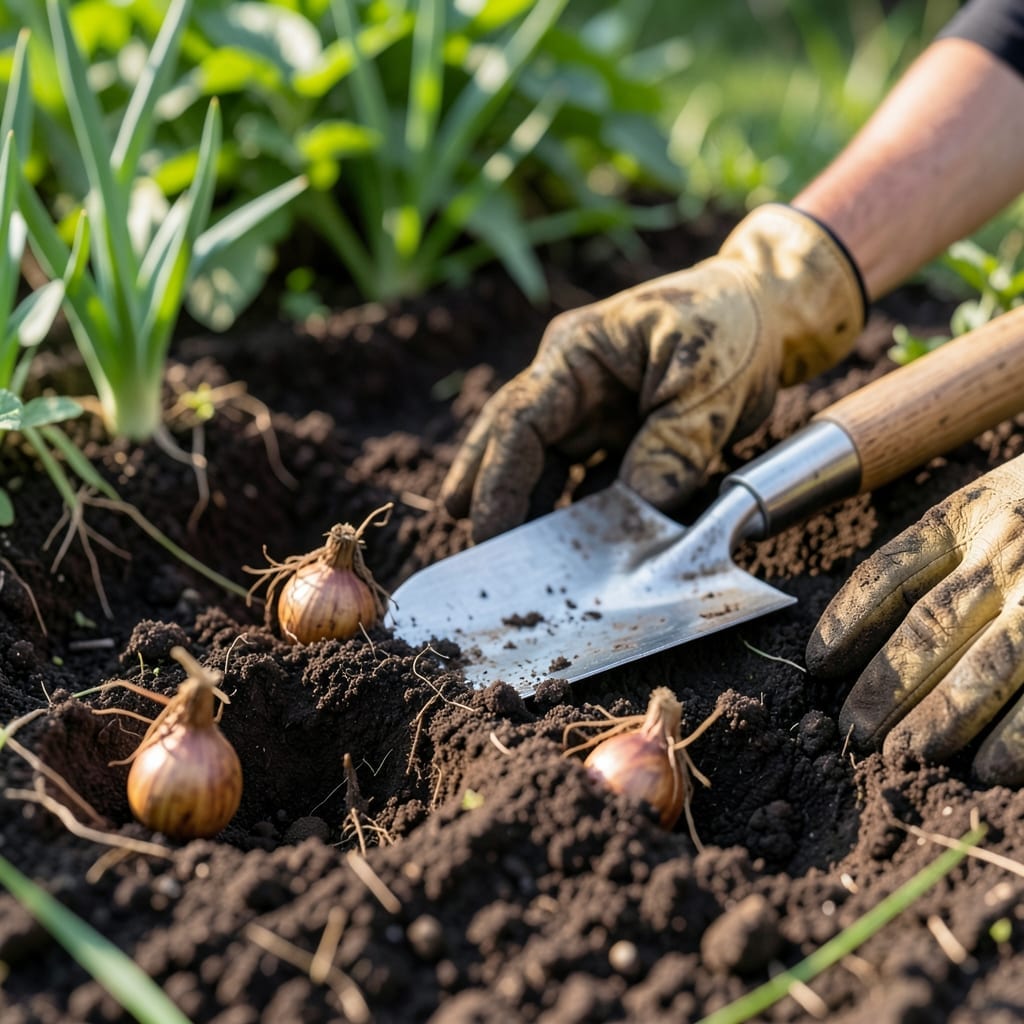
Timing is everything when it comes to planting Flower Bulbs 🌷 in the spring. Plant too early, and a late frost could ruin your efforts; too late, and you might miss the blooming season entirely.
I’ve learned the hard way that getting this right makes all the difference. Whether you’re in zone 6 or elsewhere, understanding your local conditions is the key to success.
What if I told you there’s a simple window that maximizes your chances? Early spring, after the last frost, is your golden opportunity to get those bulbs in the ground.
Let me walk you through exactly when and how to plant for vibrant blooms that will make your garden the envy of the neighborhood.
Getting your flower bulbs in the ground at the right time ensures vibrant spring blooms. The key is timing it after the last frost date when the soil is workable. I’ve found March and April are ideal for most regions.
However, your USDA hardiness zone plays a huge role. Cooler zones like 3-5 may need to wait until late April, while warmer zones like 7-9 can start as early as February.
| Zone | Planting Window | Soil Temp | Best Bulbs |
|---|---|---|---|
| 3-5 | Late April | 45-50°F | Tulips, Daffodils |
| 6-7 | March-April | 50-55°F | Crocuses, Hyacinths |
| 8-9 | February-March | 55-60°F | Alliums, Lilies |
For tulips and daffodils, I recommend planting when the soil temperature reaches at least 45°F. This ensures the bulbs won’t rot in cold, waterlogged soil. A soil thermometer is a handy tool here.
In warmer climates, like zone 9, you can start planting flower bulbs as early as late winter. However, watch for unseasonal frosts that can damage early growth.
If you’re in a mild coastal area, you might get away with January planting for some bulbs. But always check your local frost dates to avoid surprises.
I’ve seen crocuses thrive when planted in early March in zone 6. They’re hardy and can handle a light frost, making them a great early option.
For hyacinths and alliums, aim for mid-spring planting in cooler zones. These bulbs prefer warmer soil and will struggle if planted too early.
Remember, soil preparation is just as important as timing. I always loosen the soil to 12 inches deep and mix in compost for better drainage.
Finally, keep an eye on the weather forecast. If a late frost is predicted, consider covering your bulbs with mulch for protection. This small step can save your blooms from an unexpected cold snap.
With these zone-specific guidelines, you’ll be well on your way to a stunning spring garden filled with colorful, healthy blooms.
🌷Planting flower bulbs in spring isn’t just about timing. I’ve found that soil prep and moisture balance play huge roles in vibrant blooms. Even the best-timed planting fails without these. Healthy soil gives bulbs the nutrients they need to thrive. 🌱
Another critical factor is planting depth. Most bulbs need to be 2-3 times deeper than their height. Too shallow, and they might not root properly. Too deep, and they could struggle to sprout. Proper depth ensures stability and access to moisture.
I always check sunlight exposure before planting. Bulbs like tulips and daffodils need 6+ hours of sun daily. Without enough light, they may grow leggy or weak. Partial shade works for some varieties, but full sun is ideal.
Moisture levels are just as important. Bulbs need consistent watering after planting to establish roots. However, soggy soil can cause bulbs to rot. I water 1 inch per week unless rain does the job. Morning watering helps prevent fungal issues. 🌿
Finally, post-planting care makes a difference. I add a 2-3 inch mulch layer to retain moisture and suppress weeds. A balanced fertilizer applied after sprouting gives bulbs an extra boost. With these factors covered, your bulbs will be set for success.