
Beautiful Plants For Your Interior
Beautiful Plants For Your Interior
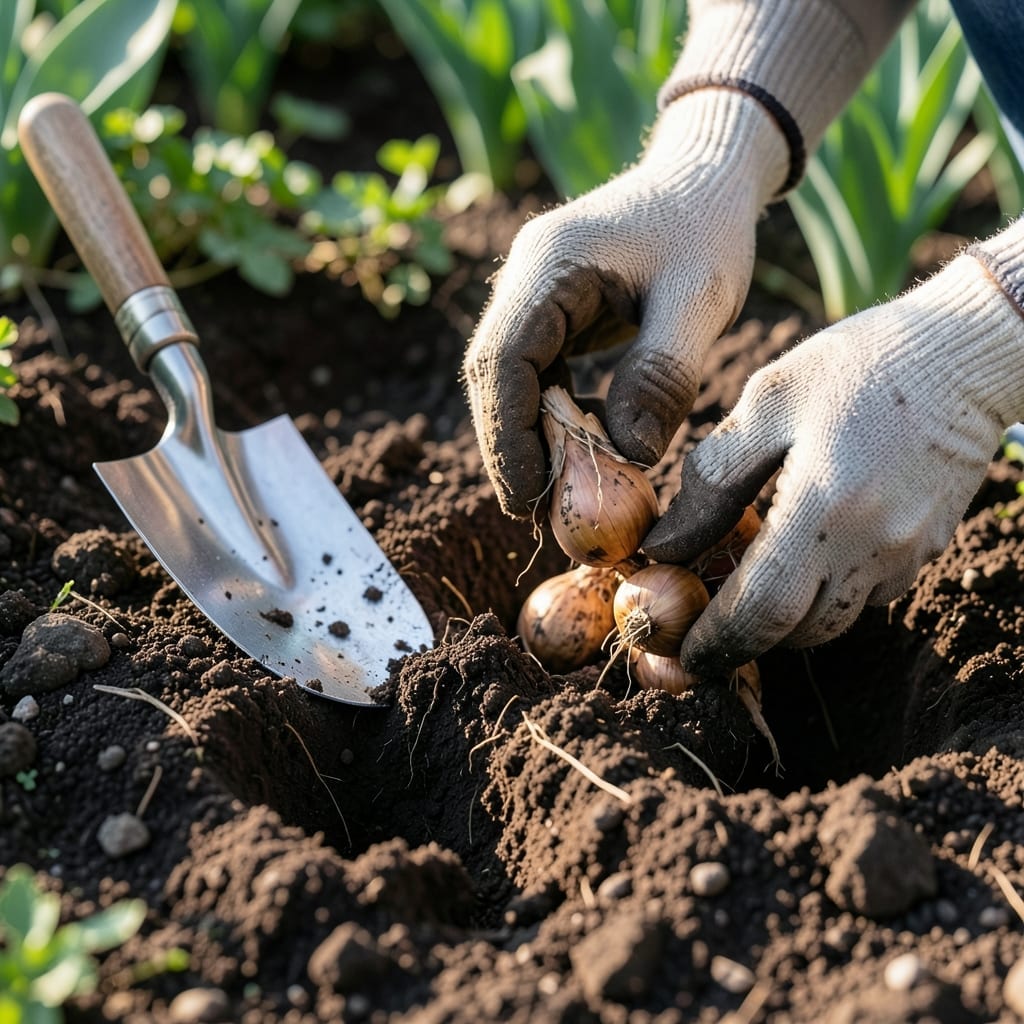
Planting Flower Bulbs in autumn feels like burying little promises for spring. Get the timing right, and you’ll wake up to a vibrant garden bursting with color when the weather warms.
I’ve learned that the window between September and October is prime for most regions, especially in USDA Zone 6. The soil is still workable, but cool enough to help bulbs establish roots before winter.
Too early, and they might sprout prematurely. Too late, and they won’t settle in properly. It’s all about hitting that sweet spot where nature does the heavy lifting for you.
Let me walk you through how to nail the timing and set your 🌷 Flower Bulbs up for success. The payoff next spring will be worth every minute of prep now.
Timing your flower bulb planting in autumn is all about working with nature’s schedule. The key is to get bulbs in the ground 6-8 weeks before your first hard frost, when soil temps drop below 60°F. This gives roots time to establish before winter.
In USDA Zone 6, that typically means September to October. But if you’re in warmer Zone 9, you might plant as late as December. Colder Zone 4 gardeners should aim for late August to September. The soil should be cool but still workable.
I always check my local frost dates to fine-tune the timing. Remember, tulips and daffodils need this chilling period to trigger spring blooming. Plant too early in warm soil, and they might sprout prematurely.
For crocus and hyacinth bulbs, the same rules apply. They’re tough little plants that actually benefit from cold stratification. Just ensure they’re in the ground before the first hard freeze sets in.
If you’re unsure about your zone, use the USDA Plant Hardiness Zone Map. It’s the most reliable tool I’ve found for determining my exact planting window. Many garden centers also post zone-specific advice.
In my experience, well-draining soil is just as crucial as timing. Bulbs hate sitting in waterlogged ground over winter. I always amend heavy clay soil with compost or sand before planting.
The depth matters too: 2-3 times the bulb’s height is the golden rule. For a 2-inch daffodil bulb, that means a 6-inch deep hole. This protects them from temperature swings.
After planting, I add a 2-3 inch mulch layer in colder zones. This insulates the soil and prevents frost heaving, which can push bulbs out of the ground. Straw or shredded leaves work perfectly.
Finally, water thoroughly after planting to help roots get established. Then, you can mostly leave them be until spring. It’s amazing how these little flower bulbs know exactly when to wake up and put on their show 🌷
Planting flower bulbs in autumn requires precision to ensure a stunning spring display. I always start by checking the soil temperature—it should be below 60°F for optimal root development before winter sets in.
Begin with soil preparation. Loosen the earth to a depth of 12-15 inches and mix in compost for nutrient-rich conditions. This step is critical for drainage and bulb health.
When planting, I ensure each bulb is placed 2-3 times its height deep, with the pointy end facing up. This positioning helps the bulb anchor itself and grow properly.
Spacing is just as important. I give each bulb 4-6 inches of space to prevent competition for nutrients. Crowding can lead to smaller blooms or disease.
After planting, I water the area thoroughly to eliminate air pockets and help the soil settle. This step ensures the bulbs make good contact with the earth.
Finally, I add a 2-3 inch layer of mulch to protect the bulbs from freezing temperatures. This extra insulation is especially important in colder USDA zones.
With these steps, your bulbs will establish strong roots and be ready to burst into color when spring arrives 🌷