
Beautiful Plants For Your Interior
Beautiful Plants For Your Interior
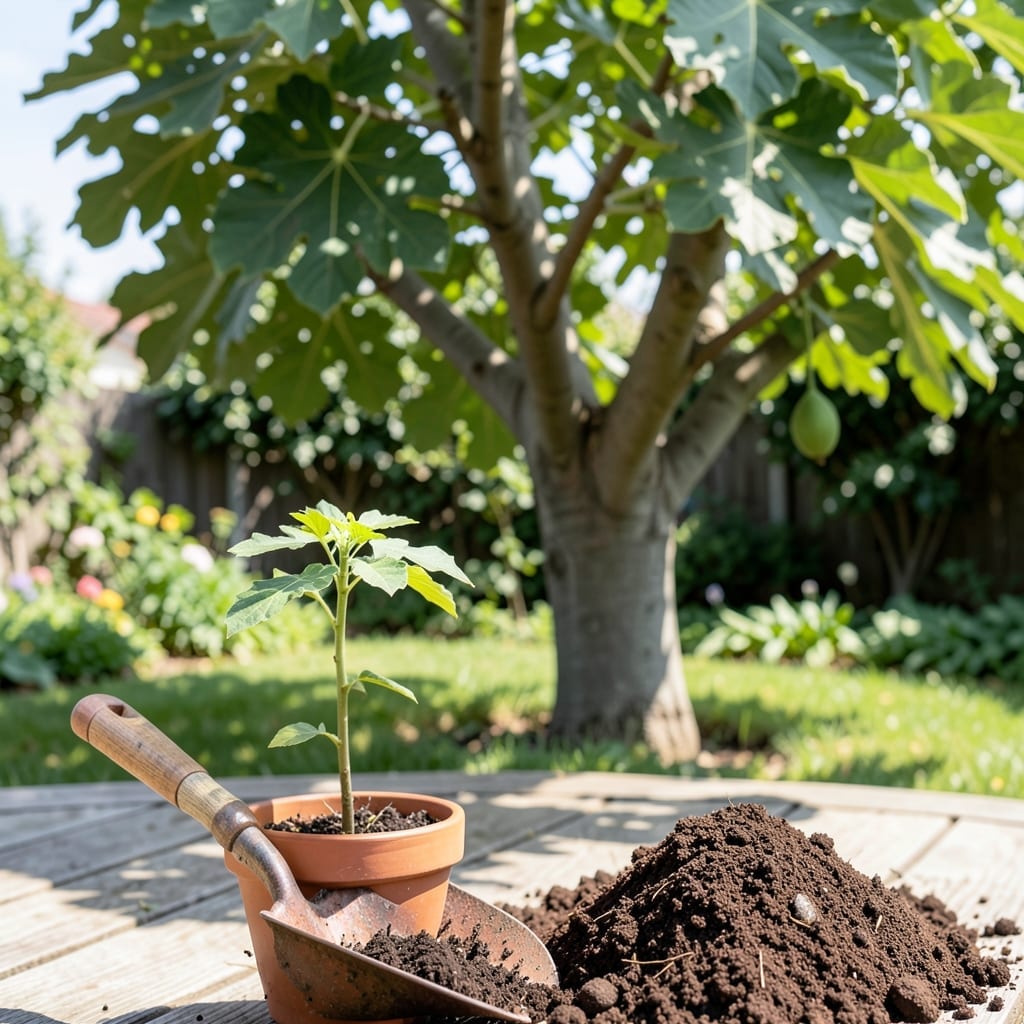
Timing is everything when planting Fig Trees in North Carolina. Get it right, and you’ll enjoy sweet, abundant harvests for years to come.
Our state’s unique climate, spanning zones 7b-8a, means your planting window can make or break your tree’s success. The difference between thriving and struggling often comes down to just a few weeks.
I’ll walk you through the most important seasonal considerations, from frost dates to soil prep, so you can plant with confidence. No guesswork, just proven timing.
Whether you’re in the mountains or along the coast, discover exactly when to get your 🌳 Fig Tree in the ground for the best start.
North Carolina’s diverse climate means fig tree planting times vary by region. The Coastal Plain stays warmer longer, while the Mountains see earlier frosts. I always recommend checking your USDA zone first.
For most of NC, early spring or early fall works best. This gives roots time to establish before extreme heat or winter cold hits. The Piedmont region is ideal for March-April or September-October planting. 🌱
| Region | Best Planting Months | Last Frost Date |
|---|---|---|
| Coastal Plain | March-April, October | March 15 |
| Piedmont | March-May, September-November | April 15 |
| Mountains | April-May, September | May 1 |
The Coastal Plain benefits from milder winters, so I often plant fig trees as early as March. The soil warms faster here, giving roots a head start before summer.
In the Piedmont, I wait until mid-April to avoid late frosts. Fall planting works too, but I finish by early November to let roots settle before winter.
The Mountain region is trickier. I plant in late April or early May after the last frost. Fall planting is riskier here due to early frosts, so I stick to September at the latest.
Soil temperature matters more than air temperature. I check for 60°F soil at planting depth. A soil thermometer is my go-to tool for this.
For container-grown figs, I can plant anytime during the growing season. But I still avoid peak summer heat to reduce stress on the tree.
I always mulch heavily after planting to retain moisture and regulate soil temperature. This is especially important in NC’s clay-heavy soils, which can dry out or compact easily.
Remember, fig varieties like Celeste or Brown Turkey do best in NC. I avoid less cold-hardy types unless I’m planting in protected microclimates. 🌿
If you’re unsure, I recommend starting with spring planting. It gives the tree the entire growing season to establish before winter, which is especially helpful for first-time fig growers.
North Carolina’s clay-heavy soils and humid climate demand special attention when planting fig trees. I always start by testing soil drainage—dig a hole, fill it with water, and see how quickly it empties.
For best results, amend the soil with organic compost to improve aeration and drainage. Fig trees thrive in loamy, well-draining soil with a pH of 6.0–6.5, so adjust if needed before planting. ☀️
After planting, I recommend watering deeply once a week for the first month, then tapering off. Mulching helps retain moisture and suppresses weeds, which is crucial in NC’s hot summers. 🌱
If your soil is particularly clay-rich, consider planting in a raised bed or mounding the soil to ensure proper drainage. This prevents root rot, a common issue in poorly drained areas.
Finally, stake young trees if needed to protect them from strong winds. NC’s occasional storms can topple newly planted figs, so give them extra support during their first year. 🌳
With the right soil prep and care, your fig tree will establish quickly and reward you with bountiful harvests for decades. I’ve seen well-planted figs bear fruit in as little as 2–3 years!