
Beautiful Plants For Your Interior
Beautiful Plants For Your Interior
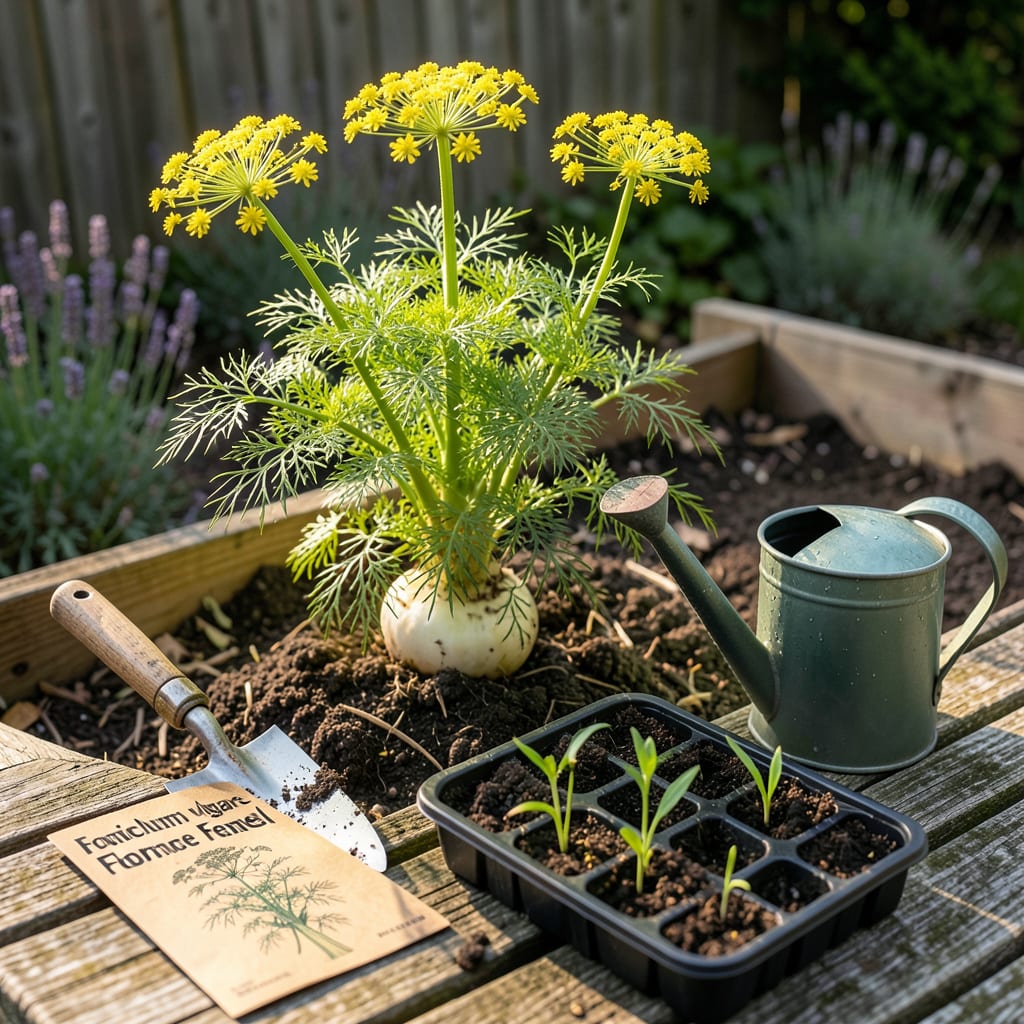
If you’ve ever tasted store-bought fennel and wondered why it lacks that bold, licorice-like punch, here’s the secret: timing. In Zone 9, where summers scorch and winters stay mild, planting fennel at the wrong moment can mean bitter disappointment—or worse, no harvest at all.
I’ve grown 🌱 fennel for years in similar climates, and the difference between a thriving plant and one that bolts prematurely comes down to just a few key weeks. Let’s cut through the guesswork so you can plant with confidence—and enjoy that fresh, aromatic flavor straight from your garden.
If you’re growing fennel in Zone 9, you’ve got a unique advantage: our mild winters let you plant this cool-season crop when most gardeners are stuck indoors. But timing is tricky—plant too late, and your fennel will bolt before forming those tender bulbs we all love.
I’ve found the sweet spot for Zone 9 is fall through early winter. Aim to sow seeds from September to January, giving plants time to mature before temperatures climb above 75°F. Spring plantings? They’re risky here—the heat triggers premature flowering.
| Season | Planting Window | Temperature Range | Notes |
|---|---|---|---|
| Early Fall | September–October | 60–75°F | Ideal for bulb fennel; avoids summer heat |
| Winter | November–January | 40–65°F | Use row covers if frost threatens |
| Late Winter | February | 50–70°F | Last chance before bolting risk rises |
| Spring | Avoid | 75°F+ | High bolting probability in Zone 9 |
For Florence fennel (the bulb type), I swear by October plantings. The soil’s still warm enough for quick germination, but cooling temps prevent leggy growth. If you’re after bronze fennel for foliage, you can push plantings into December—it’s more cold-hardy.
Watch your soil temperature: fennel seeds germinate best at 50–60°F. Use a soil thermometer if you’re unsure. In Zone 9, our soil rarely dips below 45°F, so you’re safe planting through winter—just avoid waterlogged beds after heavy rains.
Here’s a pro tip: if you’re planting in November or later, start seeds indoors under grow lights. Transplant seedlings with 3–4 true leaves for a head start. This is especially helpful for urban gardeners dealing with cooler microclimates.
Don’t forget about day length! Fennel is sensitive to increasing daylight, which signals it to bolt. That’s why February plantings are your last viable window—after that, our Zone 9 days get too long, and you’ll end up with flowers instead of bulbs.
If you’re growing fennel for seeds or pollen (great for pollinators!), you can plant a bit later—even into early March. But for bulbs, stick to the fall/winter window. Trust me, the difference in flavor and texture is worth the wait.
Pair your fennel with lettuce or spinach—they share similar cool-season needs and won’t compete for nutrients. Avoid planting near dill or coriander, though; they’re in the same family and can cross-pollinate, leading to weird flavors.
Finally, remember that Zone 9’s humidity can be a double-edged sword. While it keeps soil moist, it also encourages fungal diseases. Space plants 12–18 inches apart for airflow, and water at the base to keep foliage dry.
With the right timing, you’ll be harvesting crisp, sweet fennel bulbs from late winter through spring—just as your neighbors are starting their gardens! 🌱
Zone 9 gardeners have a secret weapon: our mild winters let us grow fennel long after northern gardeners have called it quits. But even here, cold snaps and early heatwaves can cut your season short. Let’s stretch that harvest window!
The key is balancing protection from cold and shade from heat. I’ve found that row covers in December/January and shade cloth by February can add 4–6 weeks to your growing season. Here’s how to make it work.
For urban gardeners, microclimates are your best friend. South-facing walls or paved areas radiate heat overnight—perfect for winter fennel. I’ve grown bulbs right through January by tucking plants near my house foundation.
If you’re dealing with humidity (common in coastal Zone 9 areas), space plants 18 inches apart and water in the early morning. This gives foliage time to dry, reducing fungal risks while keeping soil consistently moist.
Here’s a trick for late-season plantings: soak seeds overnight before sowing. This speeds germination when soil temps drop below 55°F. Combine with a cloche or cold frame for even faster starts.
Don’t forget to harvest strategically. Pick outer leaves first to extend the bulb’s growth. If you see a flower stalk forming, harvest immediately—once bolting starts, bulbs turn fibrous. In Zone 9, you can often get two harvests per plant!
With these tricks, I’ve harvested fennel from November through April—far longer than most Zone 9 gardeners realize is possible. The secret? Staying one step ahead of the weather. 🌱
Even experienced Zone 9 gardeners can mess up fennel planting. I’ve made (and fixed) every mistake on this list—so you don’t have to. The biggest issue? Assuming our mild winters mean “anytime planting.” Wrong! Fennel’s finicky about timing and conditions.
First, planting too late is the #1 killer of fennel dreams. In Zone 9, February 15th is your absolute cutoff for bulb varieties. After that, our rapidly lengthening days trigger bolting before bulbs form. I learned this the hard way with a sad, flowery March crop.
Fix these, and you’ll triple your success rate!
Poor drainage is another silent fennel killer. Zone 9’s winter rains can drown seeds before they sprout. Always plant in raised beds or mounds—I mix in 50% compost and 20% perlite to keep roots happy. Test drainage by digging a 1-foot hole and filling it with water. If it drains slower than 1 inch per hour, amend your soil.
Overcrowding is a rookie error with big consequences. Fennel needs 12–18 inches between plants—yes, even the dwarf varieties. Tight spacing leads to smaller bulbs and powdery mildew in our humid winters. I use a seed tape trick: space seeds 6 inches apart, then thin to 12 inches when plants reach 4 inches tall.
Here’s a mistake most gardeners don’t consider: planting near dill or coriander. These Apiaceae family members cross-pollinate, creating weird hybrid flavors. Keep fennel at least 50 feet away from other umbellifers, or grow in separate containers. I once ended up with fennel that tasted like soap—lesson learned!
Finally, don’t skip seasonal adjustments. In December, add 2 inches of mulch to regulate soil temp. By February, switch to 30% shade cloth to delay bolting. I’ve extended harvests by 3 weeks just by watching the weather and adjusting protections accordingly. 🌱
Not quite! While Zone 9’s mild winters allow for extended growing, fennel struggles in our hot summers. Stick to fall through early winter plantings (September–February) to avoid bolting. Spring plantings rarely succeed due to rising temperatures.
For bulbs, try ‘Florence’ or ‘Zefa Fino’—they handle our cool winters well. For foliage, ‘Bronze’ or ‘Purpureum’ are more cold-tolerant. All varieties need protection from occasional freezes with row covers.
Bolting is triggered by warm temps and long daylength. Plant by mid-February at the latest, use 30% shade cloth in late winter, and keep soil consistently moist. Avoid spring plantings entirely—they almost always bolt prematurely.
Start seeds indoors 4–6 weeks before transplanting. Use grow lights to prevent leggy seedlings. Transplant when they have 3–4 true leaves, typically in November–December for winter harvests.
Bitterness often comes from stress—usually heat or poor soil. Soapy flavors can mean cross-pollination with dill or coriander. Keep fennel well-watered, plant in cool seasons, and isolate it from other Apiaceae family plants.
