
Beautiful Plants For Your Interior
Beautiful Plants For Your Interior
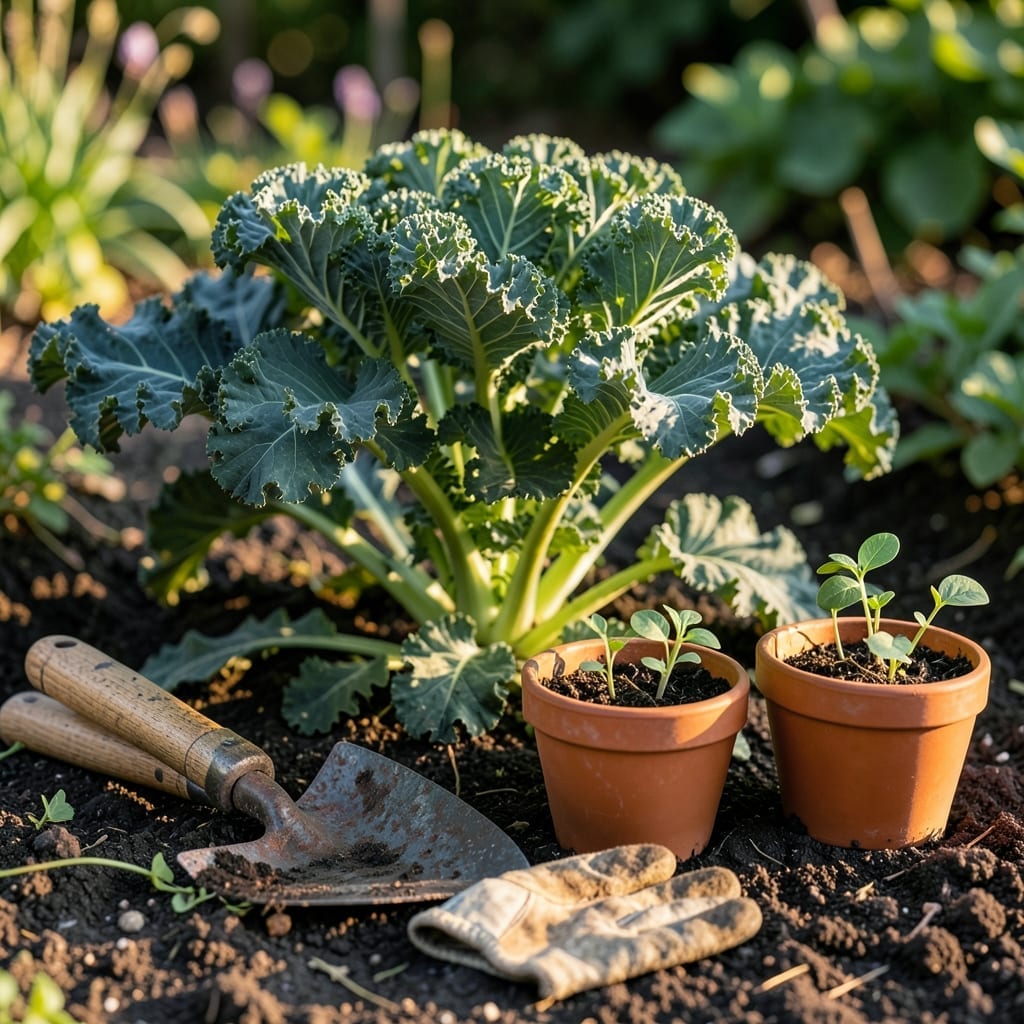
Timing is everything when it comes to growing Fall Vegetables 🥕 in Virginia. The difference between a bountiful harvest and a disappointing one often comes down to just a few weeks.
In Zone 7a, planting too early or too late can leave you empty-handed. I’ve learned the hard way that Virginia’s climate demands precision, especially when transitioning from summer to fall.
What if you could extend your growing season and enjoy fresh produce well into autumn? The good news is, you absolutely can—with the right schedule and a little know-how.
Let me walk you through the best planting windows and techniques to ensure your garden thrives when the temperatures start to drop.
Virginia spans USDA zones 6-8, meaning your fall planting window varies. I always check my first frost date first—it’s the anchor for timing. In zone 7a, I aim to plant 6-8 weeks before that date.
For most of Virginia, the first frost hits around October 15. That means I start sowing cool-season crops like kale and carrots in late July to early August. Earlier zones may push this back slightly.
| Hardiness Zone | First Frost Date | Planting Window | Recommended Crops |
|---|---|---|---|
| 6 | Oct 10-20 | Mid-July to Aug 1 | Kale, Spinach, Radishes |
| 7a | Oct 15-25 | Late July to Aug 10 | Broccoli, Carrots, Beets |
| 8 | Nov 1-10 | Aug 1 to Sep 1 | Lettuce, Peas, Turnips |
I’ve found kale and spinach are the most frost-tolerant, often surviving light frosts. For broccoli and Brussels sprouts, I plant them 85-100 days before frost to ensure a full harvest.
Carrots and beets need 10-12 weeks to mature, so I sow them by mid-August in zone 7. For radishes, which mature in 30 days, I can plant them as late as early September. 🌱
I always use row covers to extend the season. A simple floating fabric can protect plants from light frosts and buy me an extra 2-4 weeks of growing time.
Soil temperature matters too. For germination, most fall crops need 50-75°F. I use a soil thermometer to check before planting. If it’s too hot, I’ll shade the soil or wait.
In zone 8, where frost comes later, I can plant lettuce and peas in early September. These crops thrive in cooler weather and can handle light frost with protection.
For Brussels sprouts, I start seeds indoors in June for a fall transplant. They need a long growing season, so early planning is key. I’ve had great success with ‘Long Island Improved’ in my Virginia garden.
Remember, these are general guidelines. Microclimates can shift dates by a week or two. I always adjust based on my local weather patterns and past experience. 🌿
Virginia’s mild fall climate is perfect for growing cool-season vegetables that thrive in cooler temperatures. I’ve found that kale, spinach, and carrots perform exceptionally well when planted at the right time.
For the best results, focus on fast-maturing varieties like radishes, lettuce, and bush beans. These can be harvested before the first hard frost hits, usually around mid-October in most of Virginia.
I always recommend testing soil pH before planting. Most fall vegetables prefer a slightly acidic to neutral pH between 6.0 and 7.0 for optimal nutrient uptake.
Spacing matters too—crowded plants compete for resources. For example, broccoli needs 18-24 inches between plants, while radishes can be spaced just 1-2 inches apart.
Don’t forget about sunlight requirements. Most fall crops need at least 6 hours of direct sun daily, though leafy greens like spinach can tolerate a bit of shade.
Finally, mulch heavily to retain moisture and protect roots from temperature swings. This simple step can extend your harvest well into late fall or even early winter. 🌱