
Beautiful Plants For Your Interior
Beautiful Plants For Your Interior
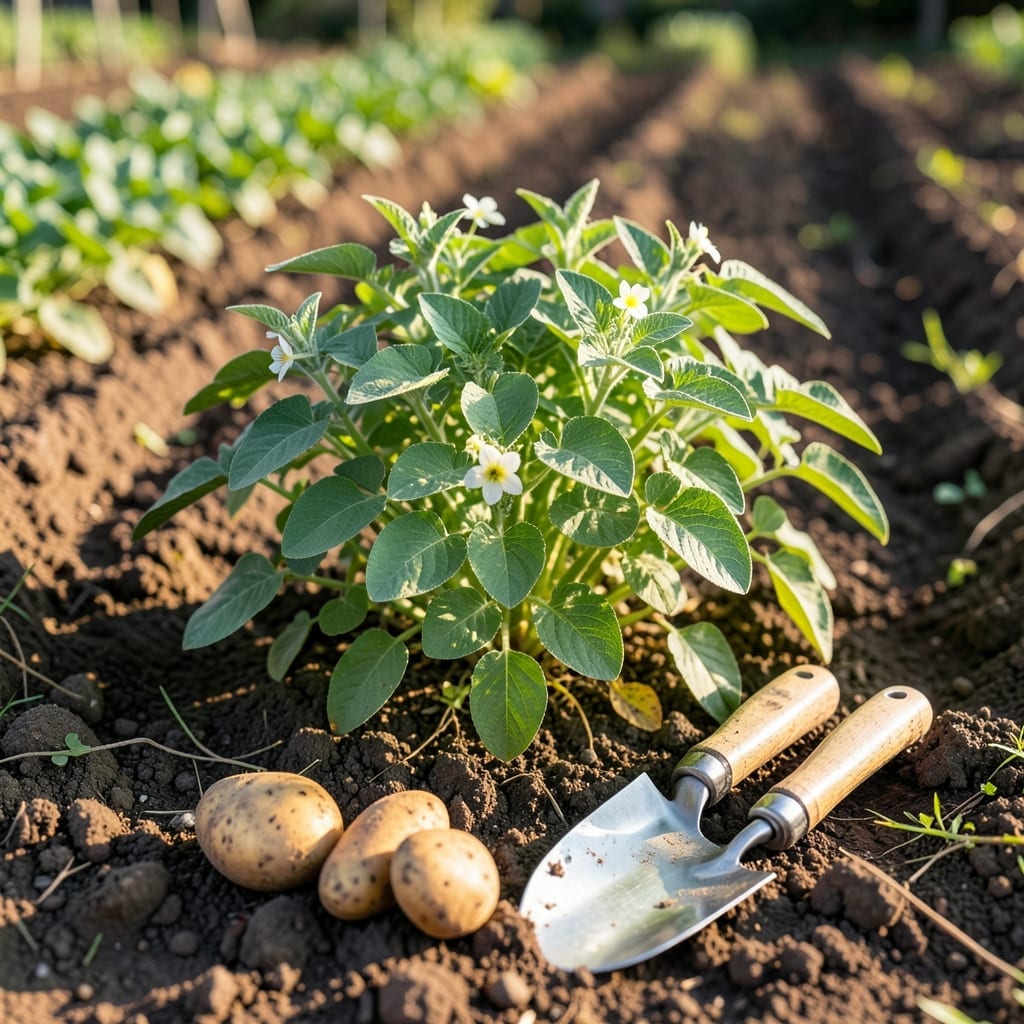
Timing is everything when growing 🥔 in Arkansas. Plant too early or too late, and you risk poor yields or frost damage to your crop.
As a Zone 7b-8a gardener, you have a narrow window to get this right. The difference between a bountiful harvest and disappointment often comes down to just a few weeks.
I’ve learned through experience that precision matters most with fall planting. The climate here demands careful planning to avoid those early November frosts.
Let me show you exactly when to get your Potatoes in the ground for the best results this season. The perfect timing might surprise you.
In Arkansas Zone 7, timing your fall potato planting is critical. I always aim for mid-August to early September to ensure tubers mature before the first frost, which typically hits around November 15. This gives your crop 10-12 weeks to grow properly.
Potatoes need cool soil (around 50-60°F) for optimal tuber formation. Planting too early in summer’s heat can stress the plants, while too late risks frost damage. I’ve found that late August strikes the perfect balance for most gardeners here.
Arkansas Fall Potato Planting Guide
| Requirement | Specification |
|---|---|
| Best Planting Window | Mid-August to early September |
| Days Before Frost | 10-12 weeks |
| Soil Temperature | 50-60°F |
| First Frost Date | November 15 |
| Sunlight Needs | 6+ hours daily |
I recommend early-maturing varieties like Yukon Gold or Red Norland for fall planting. These typically mature in 70-90 days, fitting perfectly within Arkansas’ fall window. Late varieties may not have enough time to develop before cold sets in.
Soil preparation is key. I always test my soil pH (aim for 5.0-6.0) and add compost or aged manure for nutrients. Potatoes thrive in loose, well-draining soil, so avoid heavy clay if possible. A raised bed can help if your soil is problematic.
Watering consistently is crucial during tuber formation. I water my potatoes 1-2 inches per week, reducing frequency as harvest nears. Overwatering can cause rot, so let the top inch of soil dry between waterings. Mulching with straw or leaves helps retain moisture.
Watch the weather forecast closely as fall progresses. If an early frost threatens, I cover my plants with frost cloth or row covers to extend the season. Harvest after the first light frost or when foliage dies back—this signals tubers are ready.
For the best results, I plant seed potatoes (not grocery store spuds) that have been pre-sprouted. Cut larger seed potatoes into pieces with 2-3 eyes each and let them heal for a day before planting. Space them 12-15 inches apart in rows 30 inches apart.
Arkansas’ humid climate can encourage diseases like late blight. To prevent issues, I rotate crops yearly and avoid planting potatoes where tomatoes or peppers grew the previous season. Good air circulation between plants also reduces disease risk.
Finally, I mark my planting dates on a calendar to track progress. With the right timing and care, you’ll enjoy a bountiful fall harvest of fresh, homegrown potatoes before winter arrives. ☀️
Remember, every garden is unique. Adjust based on your microclimate and specific conditions. When in doubt, consult your local extension office for hyper-local advice. 🌱
Choosing the right potato varieties is crucial for Arkansas’ fall season. In Zone 7b-8a, you need types that mature quickly before the first frost hits around November 15. Early-maturing varieties are your best bet here.
I always recommend starting with Yukon Gold or Red Pontiac for their reliability and flavor. These varieties handle Arkansas’ warm fall days and cool nights beautifully while resisting common diseases.
| Variety | Days to Maturity | Best For |
|---|---|---|
| Yukon Gold | 80-90 | All-purpose, disease-resistant |
| Red Pontiac | 90-110 | Storing, moist soil |
| Kennebec | 100-120 | Baking, drought-tolerant |
For gardeners wanting a faster harvest, try Early Rose or Irish Cobbler. These varieties mature in 70-80 days, perfect for squeezing in a crop before winter. They’re also great for small spaces or container gardening.
Remember that late-maturing varieties like Russets often struggle in Arkansas falls. They need 120+ days to reach full size, which pushes harvest dangerously close to frost dates. Stick to varieties that mature in 90 days or less for best results.
I’ve found that disease resistance is particularly important in our humid climate. Look for varieties labeled resistant to early blight and scab. Proper crop rotation also helps prevent these common issues.
Finally, consider your soil type. Arkansas’ clay-heavy soils benefit from varieties like Kennebec that tolerate less-than-perfect drainage. Amending with compost always improves results, no matter which variety you choose. 🌱