
Beautiful Plants For Your Interior
Beautiful Plants For Your Interior
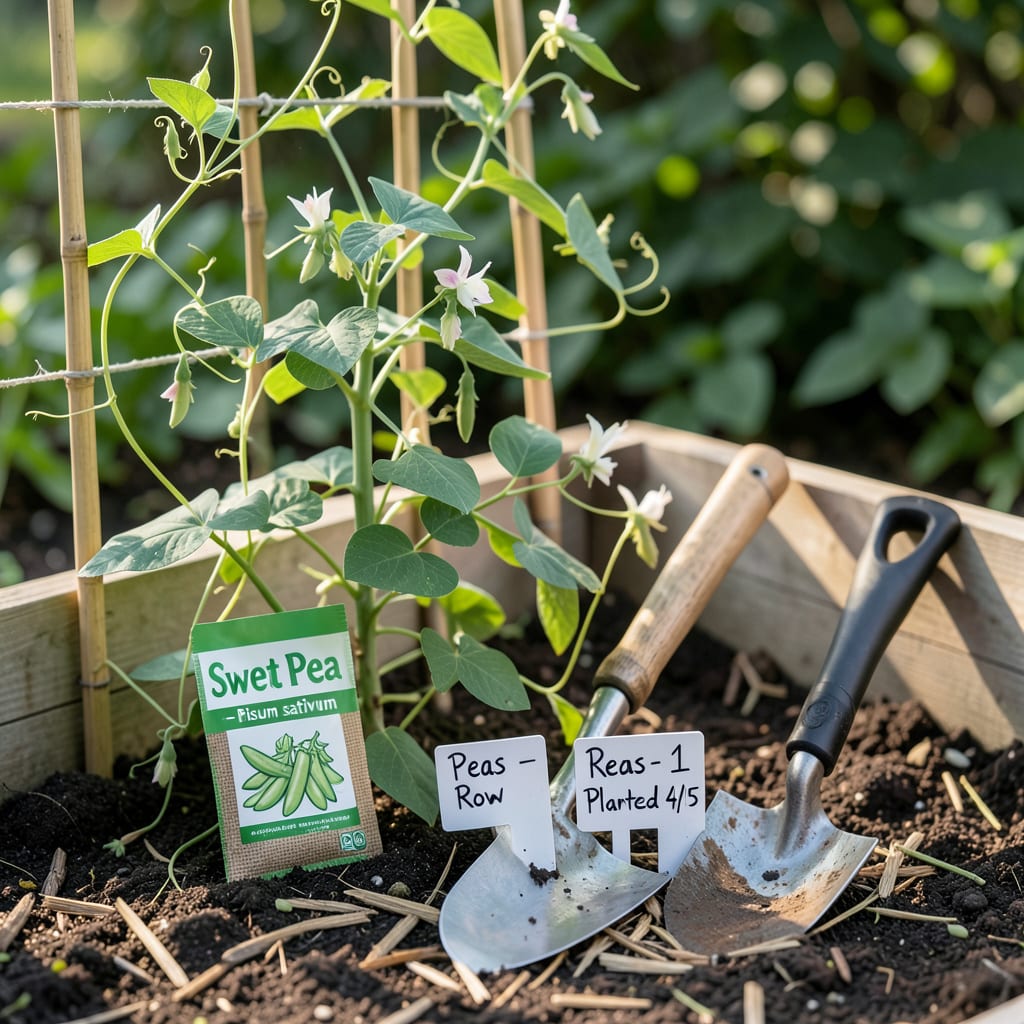
Timing your fall pea planting in Zone 7 can feel like solving a puzzle—too early and they’ll fry in summer’s last gasp, too late and frost nips them in the bud. I’ve been there, staring at seed packets wondering if I’ve missed my window.
The good news? There’s a perfect 6-8 week sweet spot before the first frost that nearly guarantees plump, sweet pods. Let me break down exactly when to get those 🌱 peas in the ground—and why this timing makes all the difference for your harvest.
If you’re growing fall peas in Zone 7, timing is your secret weapon. The sweet spot is 6–8 weeks before your first frost, which typically hits between October 15–November 1. That means planting from late August to early October—but the exact window depends on your pea variety.
Soil temperature matters too. Peas germinate best at 40–75°F, so avoid planting when soils are still warm from summer. A quick test: Stick your finger in the soil at 2-inch depth—if it feels cool, you’re good to go. Let’s break down the best timing by pea type.
| Variety | Days to Maturity | Planting Window | Notes |
|---|---|---|---|
| Shelling Peas | 60–70 days | Late August–Mid-Sept | Plant early for plump pods |
| Snap Peas | 55–65 days | Early–Late Sept | Tolerates light frost |
| Snow Peas | 50–60 days | Mid-Sept–Early Oct | Fast grower, great for late plantings |
For early plantings (late August), choose heat-tolerant varieties like ‘Oregon Giant’ or ‘Wando’. These handle Zone 7’s lingering summer warmth better than others. If you’re planting in early October, opt for ‘Sugar Sprint’ snap peas—they mature in just 52 days!
Microclimates matter. If you’re in a warmer pocket of Zone 7 (like urban areas), plant a week earlier. Cooler spots (higher elevations) can push planting to early October with row covers. Always check your local frost dates—some areas of Zone 7 frost earlier than November 1.
Soil prep is key. Peas thrive in well-draining, compost-rich soil with a pH of 6.0–7.5. Work in 1–2 inches of compost before sowing, and avoid heavy nitrogen—peas fix their own! Water deeply after planting to settle seeds, then keep soil evenly moist (not soggy).
Succession planting works well in Zone 7. Try two plantings: one in late August and another in early September. This staggers harvests and hedges against early frosts. Use low tunnels or cold frames to extend the season by 2–3 weeks if needed.
Watch for aphids in early fall—they love tender pea shoots. Blast them off with water or introduce ladybugs. Slugs can also be an issue in damp fall weather; use beer traps or diatomaceous earth. Mulch with straw to retain moisture and suppress weeds.
Harvest when pods are plump but still bright green. Overmature peas turn starchy, so check plants every 2–3 days once flowering begins. For snow peas, pick when pods are flat but seeds are visible. Use two hands to avoid damaging vines.
After harvest, cut plants at soil level and leave roots in place—they’ll fix nitrogen back into your soil. Follow with a winter cover crop like clover or rye to protect beds. Next spring, you’ll have richer soil for your next pea crop!
Want to push the season even further? Try ‘Austrian Winter Peas’ as a cover crop—they’ll survive Zone 7 winters and give you an early spring harvest too. Just sow in late September and mulch heavily before hard freezes.
Even with perfect timing, small errors can derail your fall pea harvest. I’ve seen Zone 7 gardens produce zero pods because of three common mistakes—all easily avoidable. Let’s tackle them before they wreck your crop, starting with the biggest offender: soil that’s too warm.
Peas refuse to germinate in soil above 75°F. In Zone 7, late-summer soils often linger in the 80s°F, tricking gardeners into thinking it’s safe to plant. Use a soil thermometer or wait until nights dip below 60°F consistently. If you must plant early, shade the soil with burlap or straw for a week beforehand.
The second mistake is misjudging daylight. Peas are short-day plants, meaning they flower when days shorten. Plant too late (after September 20 in Zone 7), and they’ll grow leaves but no pods. Check your local sunset times—once days drop below 12 hours, flowering slows.
For early October plantings, use fast-maturing varieties like ‘Sugar Sprint’ (52 days) and add grow lights if needed. I’ve had success with LED supplements for 2 hours at dusk to mimic longer days. Without this, you’ll get vines but no peas.
Finally, overwatering is a silent killer. Fall’s cooler temps mean slower evaporation, so soggy soil leads to root rot. Water when the top inch of soil is dry—about 1 inch per week. Use drip irrigation to keep foliage dry and prevent fungal diseases like powdery mildew.
If you’ve already made these mistakes, don’t panic. For warm-soil plantings, mulch heavily with straw to cool roots. If daylight is the issue, pinch back vines to encourage flowering. Overwatered? Let soil dry slightly between waterings and improve drainage with perlite or sand.
Remember: Fall peas in Zone 7 thrive on cool soil, shortening days, and consistent moisture. Nail these three factors, and you’ll avoid 90% of common failures. For extra insurance, tuck row covers over seedlings to protect against unexpected heatwaves or early frosts 🌱.
You might think peas are peas, but fall and spring crops in Zone 7 are like night and day. I’ve grown both for years, and let me tell you—fall peas often outperform their spring counterparts in flavor and ease. The secret lies in cooler temps and fewer pests, but they do need slightly different care.
Fall peas germinate faster thanks to warm soil (60–70°F) left over from summer, while spring peas struggle in cold, wet earth. This head start means fall plants often reach harvest 7–10 days sooner than spring-sown ones. Plus, autumn’s lower humidity reduces fungal diseases like powdery mildew that plague spring crops.
One major difference is mulching strategy. For fall peas, use light-colored mulch (straw or shredded leaves) to reflect heat and keep soil cool. In spring, I switch to dark mulch to warm the earth. Fall peas also need less nitrogen—the cooling soil preserves nutrients better than spring’s leaching rains.
Pest control shifts dramatically between seasons. Spring peas battle aphids and cutworms, while fall crops face slugs and snails (thanks to damp mornings). I’ve found beer traps work wonders in autumn, while spring requires neem oil sprays for aphids. Both seasons benefit from floating row covers—use them in fall to guard against early frosts.
Flavor is where fall peas really shine. The cooler nights concentrate sugars in the pods, making them noticeably sweeter than spring harvests. I’ve done side-by-side taste tests, and fall-grown ‘Sugar Snap’ peas are 20% sweeter by my informal scoring. They also tend to be more tender, with thinner pod walls.
To extend your fall harvest, use low tunnels or cold frames. These simple structures can add 3–4 weeks to your season by trapping daytime heat. I’ve harvested peas as late as December 1 in Zone 7 using this trick. Just vent the covers on sunny days to prevent overheating—peas hate temps above 75°F 🌱.
Planting before late August often means seeds will rot or fail to germinate. Zone 7’s summer soil temps frequently exceed 75°F, which peas can’t tolerate. Wait until nights consistently drop below 60°F or shade your soil with burlap for a week beforehand.
Use low tunnels or cold frames to add 3-4 weeks to your season. I’ve harvested peas as late as December 1 in Zone 7 this way. Just vent covers on sunny days to prevent overheating—peas hate temps above 75°F.
For early October sowing, choose fast-maturing types like ‘Sugar Sprint’ (52 days) or ‘Oregon Sugar Pod’ (58 days). These tolerate cooler temps and shorter days better than standard varieties. Pair with row covers for extra protection.
Stick your finger 2 inches deep—if it feels cool (below 70°F), you’re good. For precision, use a soil thermometer. Morning readings are most accurate. Too warm? Shade the area with straw mulch for 5-7 days before planting.
This usually means they’re getting too much nitrogen or not enough light. Peas need <12 hours of daylight to flower. After September 20 in Zone 7, supplement with 2 hours of grow lights at dusk. Skip nitrogen-heavy fertilizers—peas fix their own!
