
Beautiful Plants For Your Interior
Beautiful Plants For Your Interior
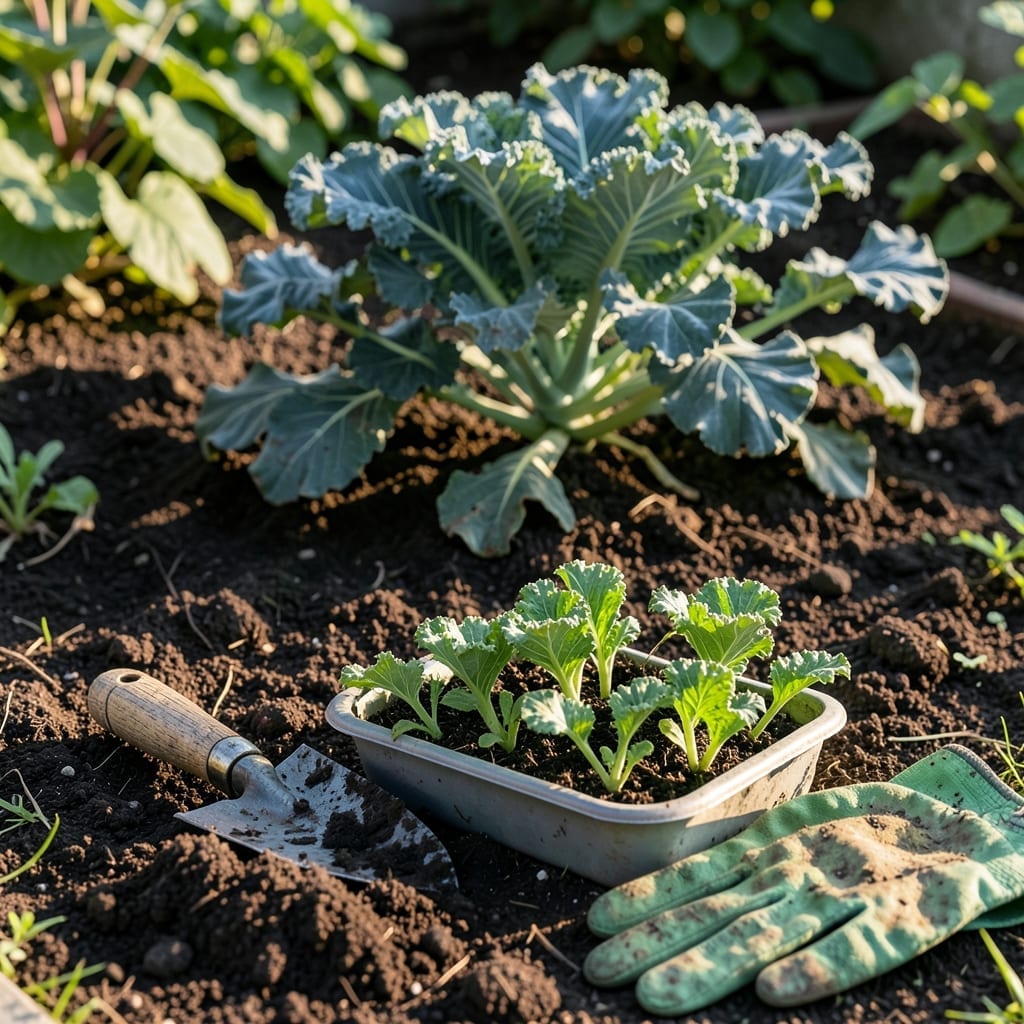
Timing is everything when planting a Fall Garden in Zone 7—start too early and crops may bolt, too late and frost will claim them. This guide helps you hit the sweet spot for a bountiful harvest.
I’ve learned through experience that getting this right means the difference between a thriving garden and a disappointing one. The August to September window is your golden opportunity.
You’ll discover exactly when to plant each variety for best results, based on our first frost date. No more guessing games or wasted seeds.
Whether you’re a beginner or seasoned gardener, these tips will help you maximize your yield. Let’s get your 🌱 Fall Garden off to the perfect start.
In USDA Zone 7, the first frost typically arrives around November 15. This means your fall planting window starts in mid-August for most crops. I always count backward from that frost date to schedule my plantings.
For cold-hardy veggies like kale or spinach, you can plant as late as early September. These thrive in cooler temps and even taste sweeter after a light frost. I’ve had great success with them in my own garden.
| Crop | Planting Window | Days to Maturity |
|---|---|---|
| Kale | Aug 15 – Sep 1 | 30-60 |
| Carrots | Aug 1 – Aug 15 | 60-80 |
| Spinach | Aug 20 – Sep 10 | 40-50 |
| Lettuce | Aug 1 – Sep 1 | 30-50 |
| Radishes | Aug 15 – Sep 15 | 25-30 |
For frost-sensitive crops like bush beans, plant by late July to early August. These need warmer soil to germinate and grow quickly. I learned this the hard way when my late-planted beans struggled in cooling temps.
Root vegetables like beets and turnips do well when sown 6-8 weeks before the first frost. They’ll develop sweet, tender roots before winter sets in. I love harvesting these in October for fresh salads.
Don’t forget cover crops like winter rye or crimson clover. Plant these in late September to protect and enrich your soil over winter. They’re a game-changer for soil health.
If you’re growing broccoli or cauliflower, start seeds indoors in late June for transplanting in early August. These cole crops need a head start to mature before cold weather hits.
For garlic, plant cloves in October for a summer harvest next year. It’s one of the easiest crops to grow, and the flavor is unbeatable. I always set aside a bed just for garlic.
Remember, these dates are guidelines. Watch your local weather and adjust as needed. A soil thermometer is a handy tool to ensure conditions are right for germination.
With this schedule, you’ll maximize your fall harvest and enjoy fresh produce well into winter. Happy planting! 🌱
In Zone 7, your fall planting schedule isn’t one-size-fits-all. I’ve found that urban heat islands can delay frost by weeks, while higher elevations may see it earlier. Always check your local weather patterns first.
Coastal areas often stay warmer longer, giving you extra time for slow-maturing crops like Brussels sprouts. Meanwhile, inland gardeners should prioritize fast growers like radishes or spinach.
I use row covers to stretch my season by 2-4 weeks. They’re perfect for protecting lettuce and carrots from light frosts while still allowing sunlight and water through.
Cold frames are another game-changer. I’ve kept beets and Swiss chard thriving well into December with this setup. Just
If you’re in a low-lying area, watch for frost pockets. I’ve lost bush beans overnight in these spots. A simple soil thermometer helps me track temperature drops and adjust planting times accordingly.
Finally, don’t overlook soil temperature. Even if air temps are mild, cool soil can stall germination. I warm my beds with black plastic mulch before sowing warm-season crops like bush beans for a fall harvest.
With these tweaks, you’ll maximize your Zone 7 fall garden potential, no matter your microclimate 🌱