
Beautiful Plants For Your Interior
Beautiful Plants For Your Interior
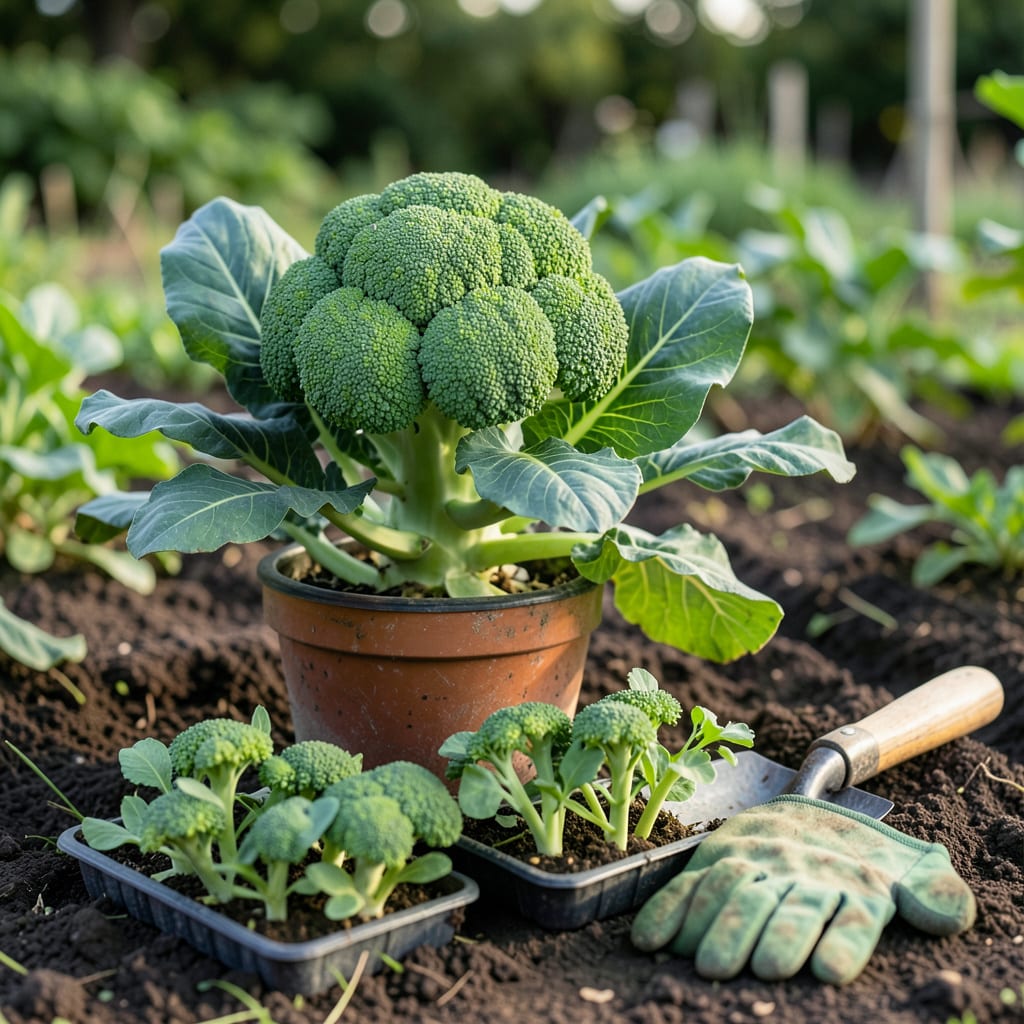
As a Texas gardener, I know that timing is everything when it comes to a successful Fall Garden 🥕. The state’s diverse climate zones mean that planting dates can vary significantly across regions.
In Texas’s USDA Zone 8a, the ideal time to plant a Fall Garden is typically 8-10 weeks before the first frost, which usually occurs in mid-November. Let’s dive into the specifics to ensure your garden thrives.
Texas’s diverse climate zones require careful planning for a successful Fall Garden. The ideal planting time varies across regions, so let’s break it down by zone.
In North Texas, the first frost typically occurs in late November, so gardeners should plant their Fall Vegetables in early to mid-September. For Central Texas, the ideal planting time is usually around late August to early September.
The planting window for a Fall Garden in Texas typically falls between late summer and early fall. Gardeners should aim to plant 8-10 weeks before the first frost to allow their crops to mature before the cold weather sets in.
Cool-season crops like broccoli, cauliflower, and kale thrive in Texas’s
To ensure a successful Fall Garden, gardeners should also consider soil preparation and variety selection. Choosing disease-resistant and climate-appropriate varieties can make a significant difference in the overall health and productivity of the garden.
By understanding the ideal planting times for their region and choosing the right crops, Texas gardeners can enjoy a bountiful Fall Harvest 🌼.
Gardeners in different regions of Texas should also be aware of the average frost dates and climate conditions specific to their area. This knowledge will help them make informed decisions about when to plant and how to care for their Fall Garden.
For more specific guidance on Fall Gardening in Texas, gardeners can consult local nurseries, gardening experts, or online resources. By working together, Texas gardeners can create thriving and productive Fall Gardens that bring joy and nourishment throughout the season.
In conclusion, planning a Fall Garden in Texas requires careful consideration of the state’s diverse climate zones and regional planting times. By following these guidelines and tips, gardeners can enjoy a successful and rewarding Fall Gardening experience 🌻.
Creating a successful Fall Garden in Texas requires careful planning and timing. The state’s diverse climate zones mean that gardeners need to adjust their planting schedules accordingly 🌼.
For Texas gardeners, the ideal time to plant a Fall Garden is typically 8-10 weeks before the first frost. This allows crops to mature before the cold weather sets in. Let’s explore a month-by-month guide to planting various fall crops.
Begin planning your Fall Garden by selecting cool-season crops like broccoli, cauliflower, and kale. Prepare your garden beds by adding organic matter and fertilizers as needed.
Start seeds indoors for cool-season crops that require a head start on the growing season. Use seed starting mix and keep the soil consistently moist.
Transplant seedlings into your garden beds, making sure to harden off the plants first. Continue to water regularly and keep the soil consistently moist.
Continue planting cool-season crops and root vegetables like carrots and radishes. Keep the soil consistently moist and watch for signs of pests or diseases.
By following this month-by-month guide, Texas gardeners can create a thriving and productive Fall Garden that brings joy and nourishment throughout the season 🌻.
Regional climate conditions and average frost dates should be considered when planning your Fall Garden. Gardeners in different regions of Texas should adjust their planting schedules accordingly to ensure a successful harvest.
For more specific guidance on Fall Gardening in Texas, gardeners can consult local nurseries, gardening experts, or online resources. By working together, Texas gardeners can create thriving and productive Fall Gardens that bring joy and nourishment throughout the season.
In conclusion, planning a Fall Garden in Texas requires careful consideration of the state’s diverse climate zones and regional planting times. By following these guidelines and tips, gardeners can enjoy a successful and rewarding Fall Gardening experience.
To ensure a successful Fall Garden in Texas, gardeners should focus on soil preparation, variety selection, and understanding common fall gardening challenges. Let’s explore these critical factors 🌼.
First, soil preparation is key to a thriving Fall Garden. Texas gardeners should test their soil to determine its pH level and nutrient content. Based on the results, they can add organic matter like compost or manure to improve soil structure and fertility.
Choose disease-resistant and climate-appropriate varieties for your Fall Garden. This will help ensure a healthy and productive harvest.
Variety selection is another crucial aspect of Fall Gardening in Texas. Gardeners should choose crops that are well-suited to the state’s climate conditions and can thrive in the cooler temperatures of fall.
Cool-season crops like broccoli, cauliflower, and kale are excellent choices for Texas gardeners. These crops prefer the cooler temperatures and can tolerate light frosts.
In addition to soil preparation and variety selection, Texas gardeners should also be aware of common fall gardening challenges. These can include pests, diseases, and unpredictable weather patterns.
To overcome these challenges, gardeners can use integrated pest management techniques, practice good garden hygiene, and stay informed about weather forecasts. By being proactive, Texas gardeners can minimize potential problems and enjoy a bountiful Fall Harvest 🌻.
By following these tips for successful Fall Gardening in Texas, gardeners can create a thriving and productive Fall Garden that brings joy and nourishment throughout the season.
The ideal time to plant a fall garden in Texas is typically 8-10 weeks before the first frost, which varies by region. For most areas, this means planting in late summer to early fall. Check your local frost dates for specific timing.
Texas has diverse climate zones, so it’s essential to know your region’s average frost dates. For North Texas, plant in early to mid-September. For Central Texas, plant in late August to early September. Consult local gardening resources for more specific guidance.
Cool-season crops like broccoli, cauliflower, and kale thrive in Texas’s fall weather. Root vegetables like carrots and radishes also do well. Choose disease-resistant and climate-appropriate varieties for the best results.
Test your soil to determine its pH level and nutrient content. Add organic matter like compost or manure to improve soil structure and fertility. This will help ensure a healthy and productive fall garden.
