
Beautiful Plants For Your Interior
Beautiful Plants For Your Interior
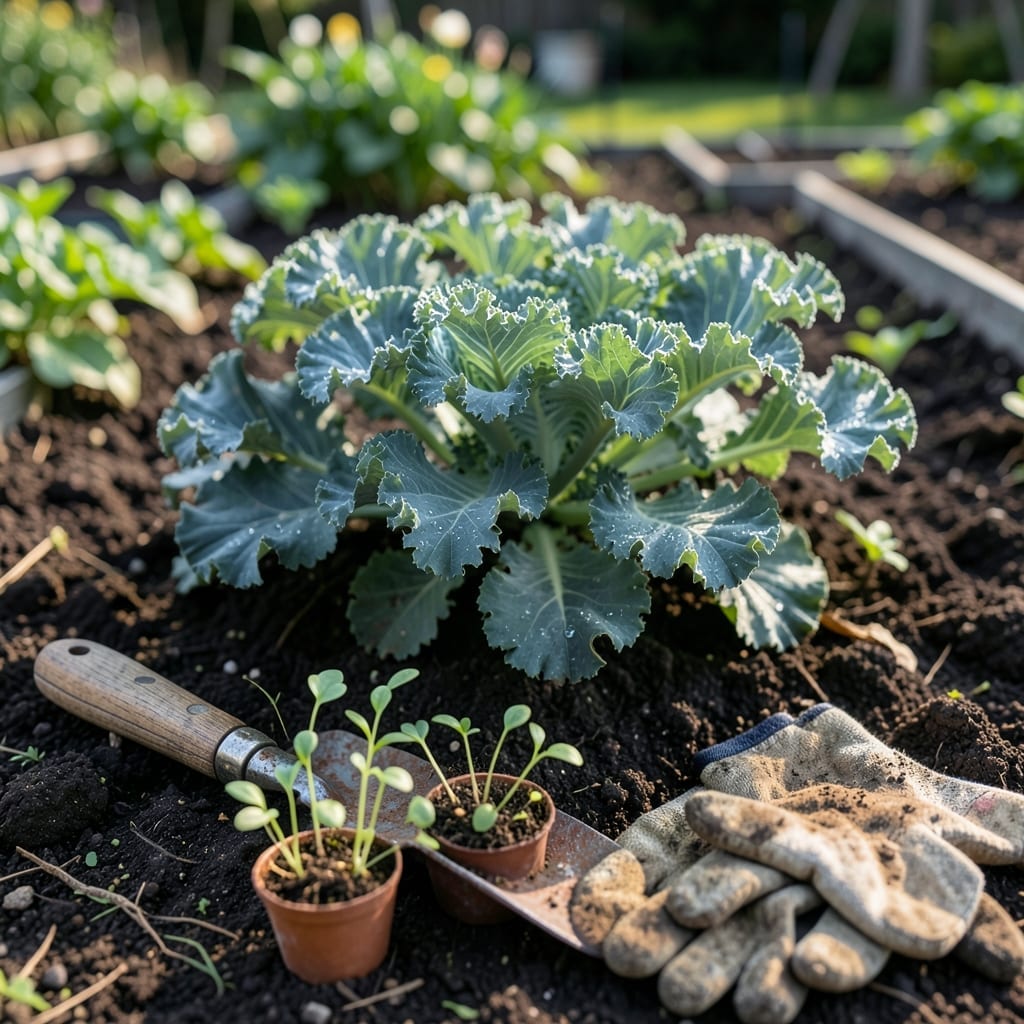
Timing is everything when planting your Fall Garden in South Texas. Start too early, and the relentless summer heat will scorch your seedlings. Wait too long, and the first frost might steal your harvest before it even begins.
In zones 8b-9a, the window is tight but rewarding. The key is knowing exactly when to get those heat-tolerant crops in the ground so they thrive as temperatures begin to drop.
I’ve tested the timing year after year, and the results are clear. Planting between August and October gives your Fall Garden 🌱 the best shot at a bountiful harvest before winter arrives.
Discover the exact schedule and strategies to make this season your most productive yet. Let’s dig in.
In South Texas, timing your fall garden starts with knowing your first frost date. For zones 8b-9a, that’s typically around December 1, giving you a long growing window. 🌱
I recommend planting 6-8 weeks before that first frost to let crops mature before cold snaps. This means mid-August to early October is your sweet spot for most heat-tolerant vegetables. ☀️
| Crop Type | Planting Window | Days to Maturity |
|---|---|---|
| Bush Beans | Aug 15 – Sep 1 | 50-60 |
| Carrots | Aug 1 – Sep 15 | 70-80 |
| Kale | Sep 1 – Oct 1 | 50-65 |
| Broccoli | Aug 15 – Sep 15 | 60-80 |
| Swiss Chard | Sep 1 – Oct 15 | 50-60 |
For direct sowing, I’ve found bush beans and carrots do best when planted in mid-August. They can handle the heat if you keep the soil moist and provide some afternoon shade. 💧
Transplants like broccoli and cauliflower need a head start. Begin them indoors in July, then move them outside in early September when temps drop below 90°F. This avoids heat stress. 🌡️
Leafy greens such as kale and spinach are your late-season stars. They tolerate light frosts and actually get sweeter after a cold snap. Plant them in September for a November harvest. 🌿
Don’t forget soil prep! South Texas soils can be heavy clay, so I always amend with compost and sand before planting. This improves drainage and helps roots establish quickly. ✂️
Watering is critical in our hot climate. I water deeply 2-3 times per week in August, then taper off as temps cool. A 2-3 inch layer of mulch helps retain moisture and keeps soil temps stable. 💧
Watch the 10-day forecast as fall approaches. If a cold front is coming, be ready with row covers or cloches to protect tender plants. Our weather can change fast, so stay flexible. 🌬️
When it comes to fall gardening in South Texas, choosing the right heat-tolerant crops is half the battle. I’ve tested dozens of varieties, and some truly shine in our late summer heat and mild falls. 🌱
These crops not only survive the transition from scorching days to cooler nights but thrive with minimal fuss. They’re my go-to picks for a productive fall garden that keeps giving well into winter. ☀️
For leafy greens, I always include kale and Swiss chard. These powerhouses handle heat early on and sweeten after a light frost. They’re also low-maintenance and produce for months. 🌿
Root vegetables like carrots and beets are fantastic for fall. They need consistent moisture to avoid cracking, so I water deeply 2-3 times a week until the soil cools. The key is loose, well-draining soil. ✂️
Don’t overlook herbs like basil and cilantro. They grow quickly in fall’s milder temperatures and can be harvested multiple times. Plant them in partial shade to extend their growing season. 🌱
For the best results, I rotate crops to prevent soil depletion. After harvesting summer tomatoes or peppers, I replant with legumes like bush beans to naturally fix nitrogen in the soil. This keeps my garden fertile and productive. 💧