
Beautiful Plants For Your Interior
Beautiful Plants For Your Interior
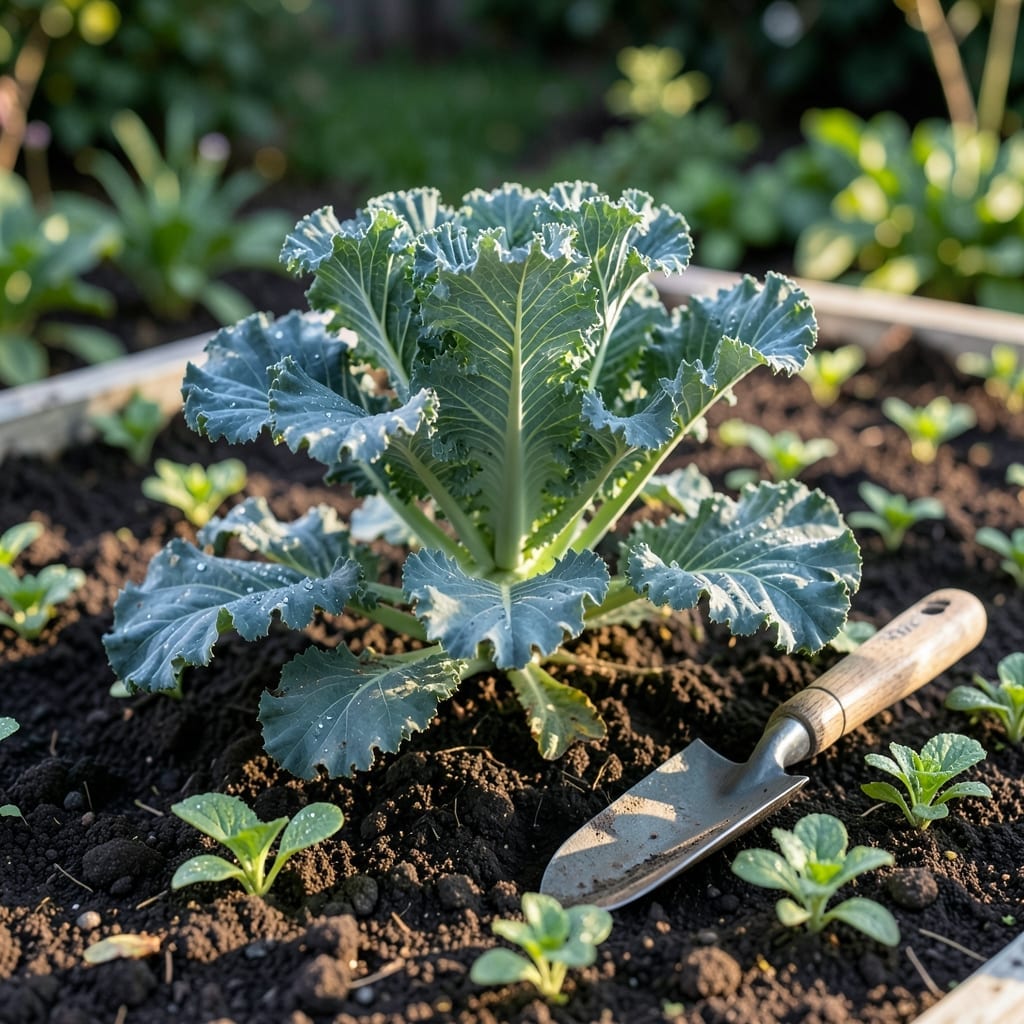
Timing is everything when planting a Fall Garden 🌱 in North Texas. The sweltering summer heat here gives way to ideal cool-season growing conditions, but only if you act at the right moment.
I’ve learned the hard way that missing this window by even a week can mean the difference between a bountiful harvest and a disappointing yield. The transition from summer to fall in our 8a zone is uniquely perfect for certain crops.
Whether you’re dreaming of crisp kale, hearty broccoli, or sweet carrots, knowing exactly when to start is the key. The good news? This timing isn’t as complicated as it might seem.
Let me walk you through the precise window that works best for North Texas gardeners. You’ll discover how to make the most of our unique climate for your cool-season plants.
North Texas gardeners in USDA Zone 8a have a unique advantage for fall planting. The key is timing your cool-season crops to avoid both summer heat and early frosts. I’ve found that starting too early can stress plants, while planting too late risks frost damage.
Our region’s first frost typically arrives around November 15th, but soil temperatures stay warm well into September. This means we need to plant crops that can handle both warmth and cooling trends.
| Crop Type | Planting Window | Soil Temp |
| Leafy Greens | Aug 15 – Sep 15 | 70-75°F |
| Root Vegetables | Aug 1 – Sep 1 | 75-80°F |
| Brassicas | Sep 1 – Sep 30 | 65-75°F |
For leafy greens like kale and spinach, I recommend starting seeds indoors in mid-August for transplanting later. This gives them a head start before the worst heat breaks. The ideal soil temperature for these is between 70-75°F.
Root vegetables like carrots and beets need to go in the ground earlier, around early August. They can tolerate warmer soil but need time to mature before frost. I’ve had great success with ‘Danvers’ carrots planted in this window.
Brassicas such as broccoli and cabbage prefer slightly cooler conditions. I plant these from September 1st onward when soil temps drop below 75°F. They’ll thrive as temperatures continue to cool.
Remember that soil preparation is crucial after our hot summers. I always work in 2-3 inches of compost to replenish nutrients. This helps young plants establish quickly in the still-warm soil.
Watering is another critical factor. Even in fall, North Texas can have dry spells. I aim for 1-2 inches per week, adjusting for rainfall. Morning watering helps prevent fungal issues as nights get cooler.
Finally, keep an eye on the extended forecast. If an early cold snap is predicted, I’ll cover tender plants with frost cloth to buy them a few extra weeks. This simple step has saved many of my fall harvests.
With this timeline, you’ll be well on your way to a productive fall garden that takes full advantage of our region’s unique growing conditions 🌱
North Texas gardeners have excellent cool-season options that thrive in our fall climate. I’ve tested numerous varieties and found that some consistently outperform others in our Zone 8a conditions. These crops handle our temperature swings better than most.
The best plants are those that can tolerate heat while also withstanding light frosts. Our long growing season gives us more flexibility than colder regions, but plant selection is still crucial for success.
For leafy greens, I particularly love kale because it actually gets sweeter after a light frost. The ‘Lacinato’ variety, also called dinosaur kale, holds up well to our occasional temperature swings.
Root crops like carrots do exceptionally well when planted in early August. I’ve found that ‘Danvers’ carrots develop deep orange color and excellent flavor in our fall soil. They need consistent moisture to prevent splitting.
Brassicas such as broccoli and cabbage are fall garden staples. The ‘Waltham 29’ broccoli is my go-to because it’s bred for cold tolerance. Plant these in early September for a November harvest.
Don’t overlook quick-growing options like radishes and lettuce. ‘Cherry Belle’ radishes can go from seed to harvest in under a month, giving you fast results. These are perfect for succession planting throughout the fall.
With these varieties, you’ll have a productive fall garden that makes the most of North Texas’ unique growing conditions 🌱