
Beautiful Plants For Your Interior
Beautiful Plants For Your Interior
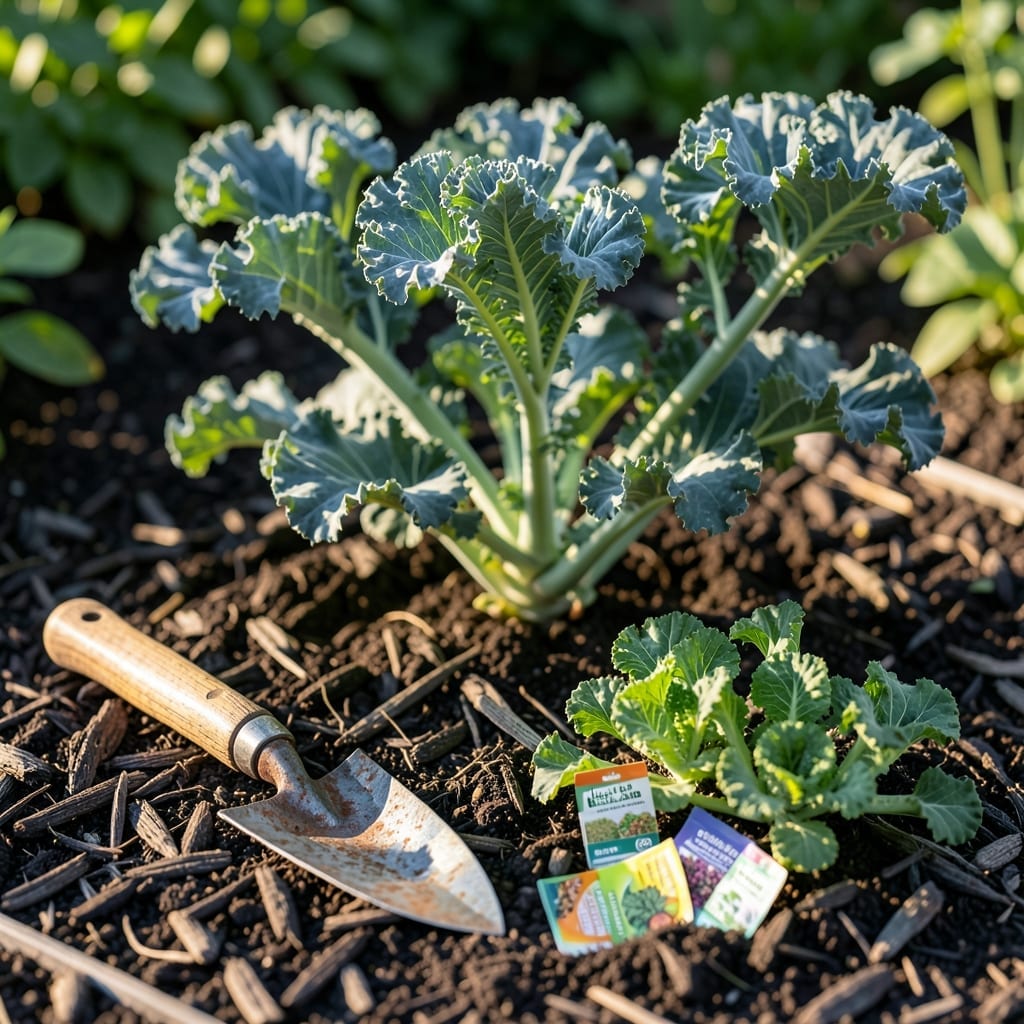
Timing is everything when planting a Fall Garden in NC—plant too early and crops may bolt in the summer heat, too late and they won’t mature before frost.
In zones 7b-8a, the window is tight but rewarding. I’ve learned the hard way that missing this timing means missing out on fresh produce well into autumn.
You’ll want to get seeds in the ground during August – September to beat the first frost. It’s a small window, but the payoff is worth it.
Discover how to nail this timing and enjoy a bountiful harvest from October – December. Let’s make your fall garden a success.
North Carolina spans zones 6, 7, and 8, each with unique fall planting windows. The key is working backward from your first frost date to ensure crops mature before cold snaps hit.
In zone 6 (western NC), the first frost typically arrives October 15-30. For zone 7 (central NC), expect frost November 1-15, while zone 8 (coastal NC) may not see frost until November 15-30.
| Zone | First Frost | Planting Window | Key Crops |
|---|---|---|---|
| 6 | Oct 15-30 | Late July-Early Aug | Kale, Broccoli |
| 7 | Nov 1-15 | Mid-Aug-Sept | Carrots, Lettuce |
| 8 | Nov 15-30 | Late Aug-Oct | Spinach, Radishes |
For zone 6, I start kale and broccoli in late July to give them 90 days to mature. These cold-hardy greens can even sweeten after a light frost.
In zone 7, carrots and lettuce do best when sown mid-August through September. Carrots need 60-80 days, so timing is critical to avoid stunted growth.
Coastal zone 8 gardeners can push planting to late August through October. Here, spinach and radishes thrive with 30-50 days to harvest, perfect for quick turnarounds.
Always check your local weather patterns—microclimates can shift these dates by a week or two. A soil thermometer is my go-to tool to confirm conditions are right.
Remember, succession planting extends your harvest. Sow radishes every 2 weeks for continuous pickings. This technique works well in all NC zones.
For transplants, start seeds indoors 4-6 weeks before your planting window. This head start helps in zones with shorter fall seasons, like zone 6.
Don’t forget to harden off seedlings before moving them outside. A week of gradual exposure prevents shock and ensures strong growth 🌱
North Carolina’s fall climate is perfect for cool-season crops that thrive in milder temperatures. I’ve found these varieties consistently perform well across the state’s varied zones.
From leafy greens to root vegetables, the right choices can extend your harvest deep into autumn. These crops also handle light frosts, making them ideal for NC’s unpredictable fall weather.
Cold-hardy and sweeter after frost. Plant 6-8 weeks before first frost for best results.
Need 60-80 days to mature. Sow in loose, well-drained soil for straight roots.
Quick growers (30-50 days). Ideal for succession planting every 2 weeks.
Ready in 25-30 days. Perfect for late fall harvests in all NC zones.
Start indoors 4-6 weeks early. Transplant when soil temps drop below 80°F.
For kale and collards, I recommend direct sowing in August for zones 7-8. These greens become sweeter after a light frost, which is a bonus in NC’s fall.
Carrots and beets need consistent moisture. I use raised beds to ensure good drainage and prevent cracking. Thin seedlings to 2-3 inches apart for optimal growth.
Lettuce and spinach are my go-to for quick harvests. They’re perfect for container gardening if space is limited. Keep soil moist but not soggy to avoid rot.
Radishes are the fastest crop, ready in under a month. I plant them between slower-growing veggies to maximize space. They’re also great for marking rows for other crops.
Don’t overlook herbs like cilantro and dill. They grow well in cooler temps and can be harvested continuously through fall 🌱