
Beautiful Plants For Your Interior
Beautiful Plants For Your Interior
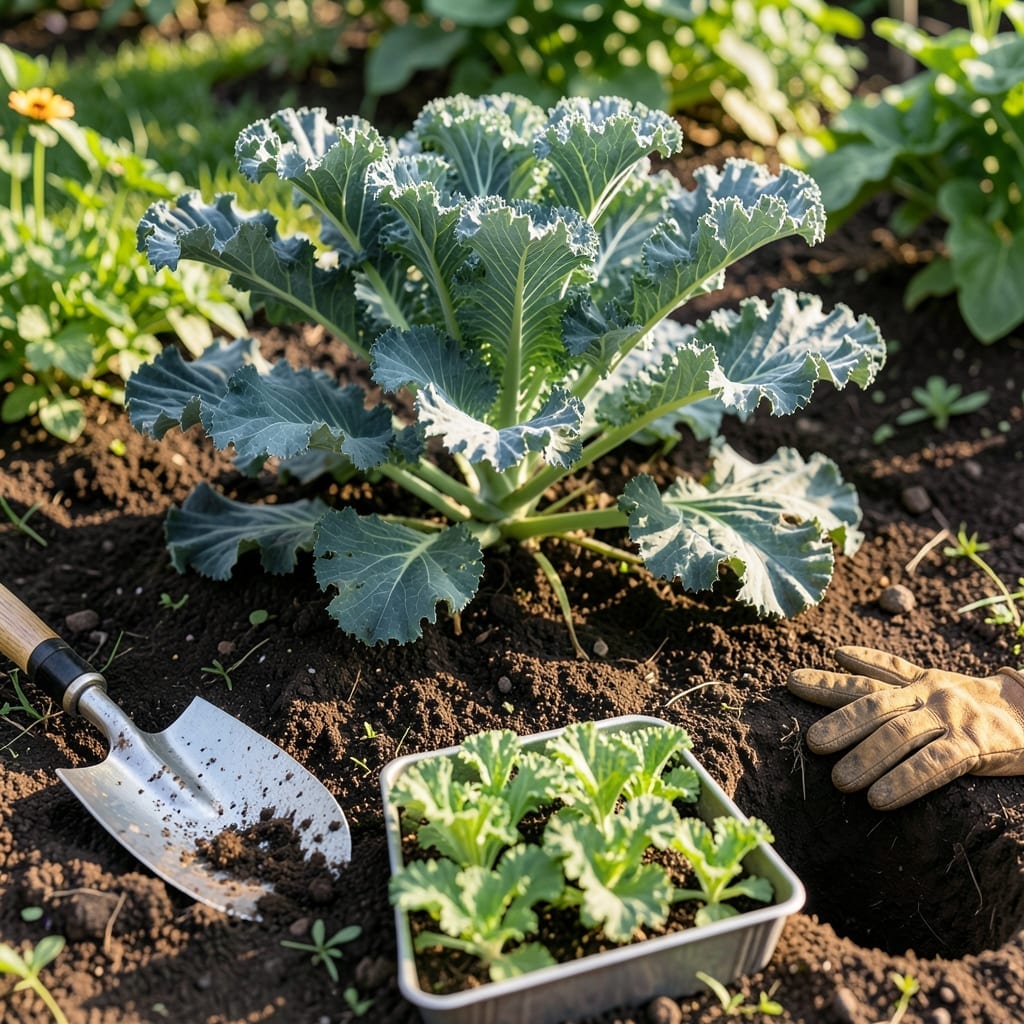
Missouri’s unpredictable weather can make fall gardening a gamble—but timing your planting right means the difference between a bountiful harvest and a frost-bitten flop.
The 🌱 Fall Garden thrives when planted during its ideal window from July to September in zones 6a-6b. This timing gives your crops the best chance to mature before the first frost hits.
I’ve learned that understanding your local climate is the key to success. Missouri’s first frost typically arrives around mid-October, so planning ahead is essential.
Let me show you how to align your planting schedule with these natural cycles. With the right approach, you’ll be harvesting fresh produce well into November.
Timing your fall garden in Missouri starts with knowing your first frost date. In most of the state, expect frost around October 15, but this varies by zone. I always check local weather data to be sure.
For Zone 5 (northern Missouri), you’ll want to plant 6-8 weeks before frost. In Zone 6 (central), you have a bit more wiggle room. Zone 7 (southern) can plant even later.
| Region | First Frost | Planting Window |
|---|---|---|
| Kansas City (Zone 6) | Oct 15 | Mid-August to early September |
| St. Louis (Zone 6) | Oct 20 | Late August to early September |
| Springfield (Zone 6) | Oct 10 | Early August to mid-September |
For fast-maturing crops like radishes or spinach, I plant 4-6 weeks before frost. These thrive in cooler temps and can handle light frosts. Kale and carrots need more time.
Soil temperature matters too. Aim for 60-70°F for germination. Use a soil thermometer to check. If it’s too hot, seeds may not sprout. If it’s too cold, growth slows.
In Zone 5, I start cabbage and broccoli in mid-July for a fall harvest. These take 80-100 days to mature. For Zone 7, you can push this to early August.
Successions planting works well for lettuce and beets. I sow a new batch every 2 weeks until early September. This ensures a steady supply.
Don’t forget frost protection. I use row covers or cold frames to extend the season. These can add 2-4 weeks of growing time, which is often enough to finish a crop.
For garlic, I plant in late October after the first frost. It overwinters and comes up strong in spring. This is one of the few crops that actually benefits from cold weather.
Finally, always adjust for microclimates. Urban areas or south-facing slopes may have slightly different frost dates. I keep a garden journal to track what works best in my specific spot.
With these tips, you’ll be harvesting fresh fall veggies well into November, no matter where you are in Missouri 🌱
Choosing the right cold-hardy crops is crucial for Missouri fall gardens. I focus on varieties that thrive in cooler temps and can handle light frosts. These plants often taste sweeter after a touch of cold.
For quick harvests, I recommend radishes, spinach, and lettuce. These mature in 30-45 days and tolerate light frosts beautifully. They’re perfect for late summer planting.
For root crops like beets and turnips, I plant 8-10 weeks before frost. These store well in the ground and can be harvested as needed. Their greens are also edible and cold-hardy.
Herbs like parsley and cilantro do well in fall. I plant these in late August for a continuous supply. They prefer cooler temperatures and can handle light frosts.
Don’t overlook garlic for fall planting. I set cloves in late October after the first frost. It overwinters and produces bulbs the following summer. This is one of the easiest crops for Missouri winters.
For green onions and leeks, I plant in early September. These can often be harvested well into winter with proper protection. They add fresh flavor to fall and winter meals.
Remember, succession planting works well with many fall crops. I sow new batches every 2 weeks for continuous harvests 🌱