
Beautiful Plants For Your Interior
Beautiful Plants For Your Interior
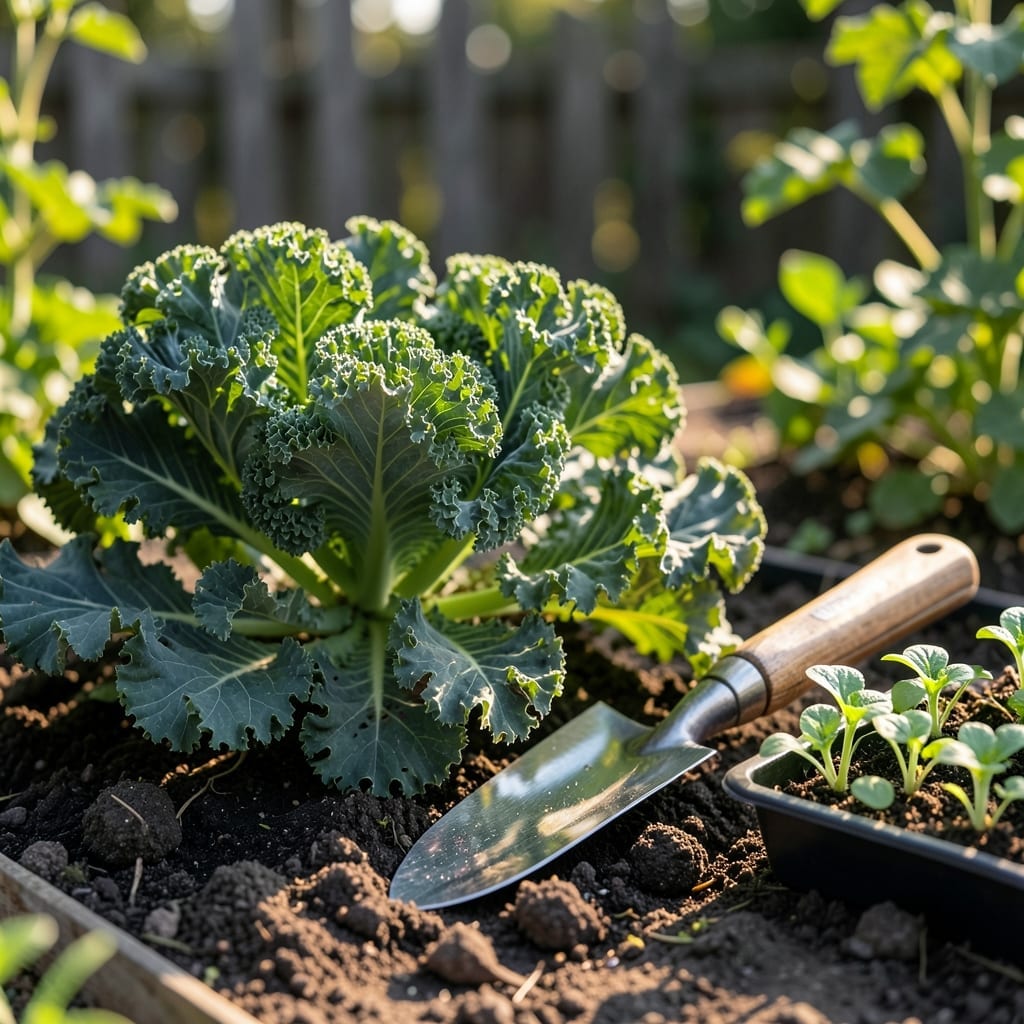
Timing is everything when planting a Fall Garden in Mississippi—start too early and heat waves may stunt growth, too late and frost could ruin your harvest.
As someone who’s learned the hard way, I know the difference a few weeks can make between a thriving crop and a disappointing one. The perfect window balances warm soil for germination with cool enough temperatures for growth.
In our 7b-8a zones, August through September offers that sweet spot for most cool-season vegetables and flowers. This timing gives your plants the 6-8 weeks they need before the first frost typically arrives.
Let me walk you through the exact schedule that’s worked for me year after year. The results will speak for themselves in your harvest basket.
In Mississippi’s USDA Zones 7b-8a, fall planting hinges on beating the first frost around November 15. I’ve found that cool-season veggies thrive when sown 6-8 weeks before this date, giving them time to mature.
For broccoli and kale, aim for late August to early September plantings. These cold-hardy greens tolerate light frosts, making them ideal for Mississippi’s mild autumns.
| Crop Type | Planting Window | Harvest Time |
|---|---|---|
| Kale | Late August | October-November |
| Broccoli | Early September | November |
| Carrots | Mid-August | Late October |
| Spinach | Early September | October-December |
For root crops like carrots and beets, I recommend mid-August planting. These need consistent moisture and loose soil to develop properly before the first frost.
Leafy greens such as spinach and lettuce do well with early September planting. They grow quickly and can often be harvested multiple times before winter.
Don’t forget cover crops like clover or winter rye. Plant these in late September to protect soil and improve fertility for next year’s garden.
If you’re adding fall flowers, pansies and chrysanthemums can be planted in early September for a burst of color that lasts until frost.
In northern Mississippi, where frost may arrive earlier, adjust planting dates 1-2 weeks earlier. Southern regions can push planting into early October for some crops.
For transplants, start seeds indoors 4-6 weeks before your intended planting date. This gives them a head start, especially for slower-growing varieties like cabbage.
Always check soil temperature—it should be below 85°F for most fall crops. I use a soil thermometer to ensure conditions are just right before planting.
With these timings, you’ll maximize your fall harvest and enjoy fresh produce well into the cooler months 🌱
In Mississippi, I’ve found that first frost dates are the most critical factor for fall planting. Our Zone 7b-8a regions typically see the first frost around November 15, so timing is everything. Plant too early, and summer heat can stress your crops. Plant too late, and frost may nip them before maturity.
Another game-changer is soil temperature. Cool-season crops like kale and broccoli thrive when soil temps drop below 80°F. I always check with a soil thermometer before sowing—it’s a small investment that saves a lot of guesswork.
I also pay close attention to daylight hours. Most fall crops need 10-12 hours of daylight to grow properly. As days shorten in autumn, this becomes a limiting factor for some plants. I’ve learned to prioritize fast-maturing varieties like radishes and spinach for late plantings.
Regional microclimates can’t be ignored either. In northern Mississippi, you might get an extra week or two compared to coastal areas. I always adjust my planting schedule based on local weather patterns and elevation changes.
Finally, there’s the seed vs. transplant decision. Starting from seed gives you more variety options but requires 6-8 weeks before frost. Transplants can save time but may struggle with heat if set out too early.
In my experience, the most successful fall gardens in Mississippi balance all these factors. I start kale and collards in late August, while lettuce and radishes go in early September. This staggered approach ensures a continuous harvest through fall. ☀️
Remember, Mississippi’s long growing season is a gift—use it wisely to extend your harvest well into winter. 🌱