
Beautiful Plants For Your Interior
Beautiful Plants For Your Interior
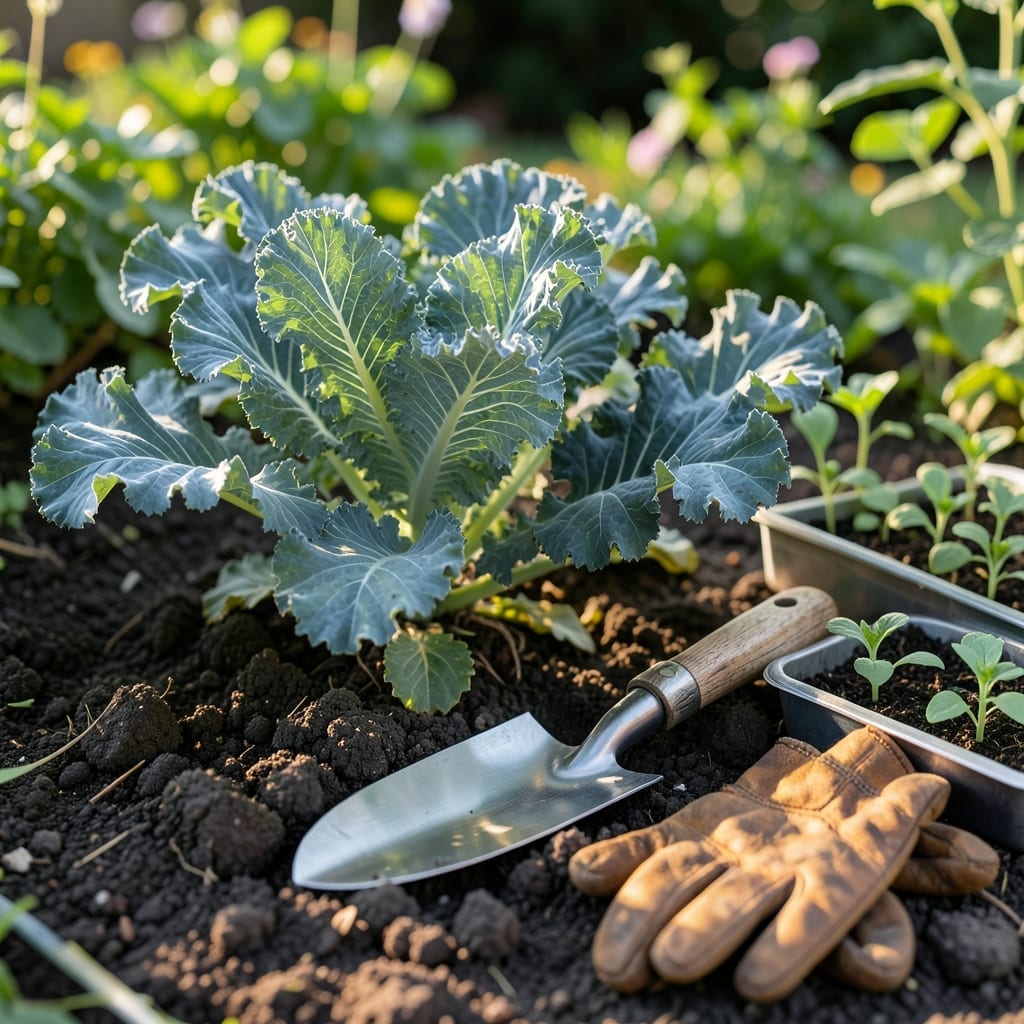
Timing is everything when planting a Fall Garden in Central Texas, where summer’s heat gives way to a productive cool season. Miss the window, and your crops may struggle with stress or early frosts.
The transition from summer to fall offers a unique opportunity for gardeners in USDA Zone 8a. But knowing exactly when to start can make all the difference between a thriving harvest and a disappointing one.
I’ve spent years refining the ideal planting schedule for this region. The key is working with our climate, not against it, especially with that first frost date lurking in mid-November.
Let me walk you through the most important timing considerations and crop choices. You’ll discover how to set your Fall Garden 🌱 up for success from day one.
In Central Texas, the fall planting window is short but highly productive. The key is timing your crops to mature before the first frost, which typically hits around mid-November in this USDA Zone 8a region.
I always start by checking the days to maturity for each crop and counting backward from that first frost date. This ensures my plants have enough time to establish before the cold sets in.
| Crop Type | Planting Window | Days to Maturity |
|---|---|---|
| Leafy Greens | Early September | 30-50 days |
| Root Vegetables | Mid-August | 60-80 days |
| Brassicas | Late August | 70-90 days |
| Herbs | Early September | 45-60 days |
For leafy greens like lettuce and spinach, I aim to plant in early September. These quick growers need just 30-50 days to mature, so they’re perfect for squeezing in before frost.
Root vegetables like carrots and beets require more time. I start these in mid-August to give them the full 60-80 days they need to develop properly in our warm soil.
Brassicas, such as broccoli and cabbage, are my go-to for late summer planting. They handle the heat well and need 70-90 days to mature, so late August is ideal.
Don’t forget herbs like cilantro and dill. These thrive when planted in early September and will often keep producing until the first hard frost.
Soil temperature is another critical factor. I check that it’s below 85°F before planting cool-season crops. A soil thermometer is my best friend for this.
Watering needs change as temperatures drop. I reduce frequency but ensure deep watering to encourage strong root growth before winter.
With this schedule, I’ve found my fall gardens in Central Texas consistently outperform those planted too early or too late 🌿
Central Texas gardeners have a unique advantage with fall planting. As summer heat fades, we can grow cool-season crops that thrive in our mild autumn weather. The key is choosing varieties that handle our transition period well.
I focus on heat-tolerant plants that can establish before temperatures drop. These crops bridge the gap between summer and fall perfectly in our Zone 8a climate.
For leafy greens, I recommend starting with collard greens. They handle our late summer heat and keep producing through fall. I’ve had success planting them in late August for a continuous harvest.
Kale is another superstar in my garden. The Lacinato and Red Russian varieties do especially well. They grow quickly and become sweeter after a light frost, which we typically see in late November.
Don’t overlook root vegetables. Carrots and beets planted in mid-August have time to mature before winter. I find that Danvers carrots and Detroit Dark Red beets are particularly reliable.
For a pop of color, I add Swiss chard. The Bright Lights variety offers beautiful stems in multiple colors. It’s both ornamental and delicious, producing until the first hard frost.