
Beautiful Plants For Your Interior
Beautiful Plants For Your Interior
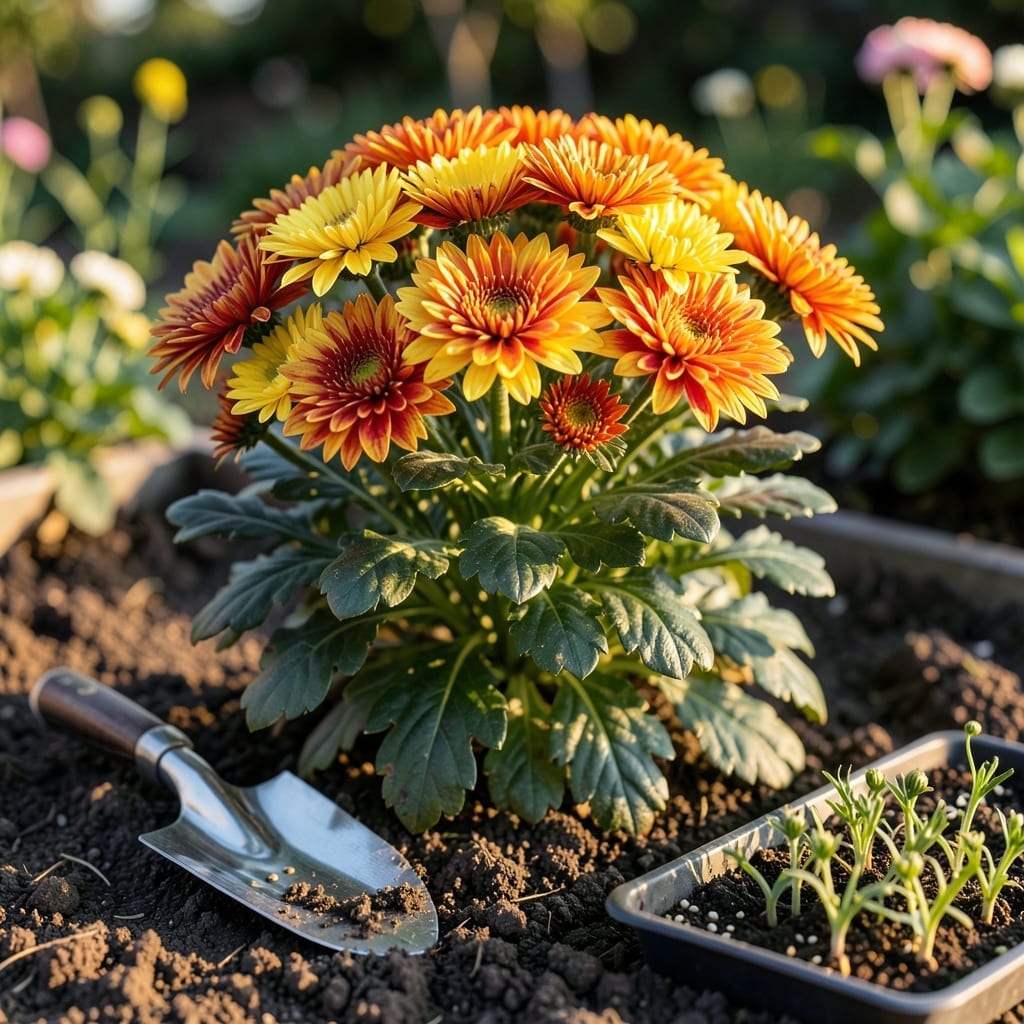
Timing is everything when it comes to planting Fall Flowers in Georgia. The state’s unique climate, with hot summers and mild falls, creates the perfect window for vibrant blooms—if you know when to start.
I’ve seen too many gardeners miss this critical window, only to watch their efforts wilt in the heat or freeze in an early frost. Georgia’s USDA zones 7b-8a give us a clear advantage if we plan right.
Whether you’re planting pansies, mums, or asters, getting the timing right means the difference between a lackluster display and a yard bursting with color. The secret lies in working with, not against, our local seasons.
Let me walk you through the optimal schedule and factors that ensure your 🌼 Fall Flowers thrive from planting to full bloom.
Georgia’s USDA zones 7-8 give gardeners a unique advantage for fall flower planting. The key is timing your seeds or transplants to avoid summer heat while establishing roots before frost.
For most fall-blooming favorites, I aim to plant 6-8 weeks before the first frost, which typically hits mid-November in most of the state. This gives plants time to settle in and thrive.
| Flower Type | Planting Time | Method | Notes |
|---|---|---|---|
| Pansies | Late September | Transplants | Heat-tolerant varieties thrive |
| Chrysanthemums | Early September | Transplants | Pinch back for bushier growth |
| Asters | August | Seeds/Transplants | Drought-tolerant once established |
| Calendula | Late August | Seeds | Self-seeds easily for next year |
I always start pansies and mums as transplants in September because they establish quickly. Asters and calendula can go in as seeds in August when soil temps start cooling.
For coastal Georgia, I push planting back by 2-3 weeks since frost comes later. In the mountains, I plant earlier to beat the earlier frost dates.
Seed starting indoors is a great option for delicate varieties. I begin pansy seeds indoors in July under grow lights for September transplanting. This gives them a head start.
Don’t forget soil prep before planting. I work in 2-3 inches of compost and ensure the bed drains well. Fall flowers hate soggy roots, especially as temps drop.
Watering is critical the first 2 weeks after planting. I keep soil consistently moist but not waterlogged. A 2-inch mulch layer helps retain moisture and regulate soil temperature.
For maximum bloom impact, I plant in clusters of 3-5 rather than single plants. This creates bold color blocks that really pop in the fall landscape.
Remember that container-grown fall flowers need more frequent watering than in-ground plantings. I check my pots daily and water when the top inch of soil feels dry. 🌼
Georgia’s fall planting success hinges on understanding its unique climate conditions. The state’s USDA zones 7-8 mean warm days linger into September, but cool nights arrive fast. This temperature swing can stress young plants if not timed right.
I’ve found that soil temperature and daylight hours are the biggest game-changers. Warm soil in late August speeds up root growth, while shorter days in October signal plants to focus on blooms rather than foliage.
Don’t overlook humidity—Georgia’s high moisture in fall can lead to fungal diseases. I always space my pansies and snapdragons extra far apart for air circulation. This simple step prevents many common issues.
The coastal areas stay warmer longer, while the north Georgia mountains get frost earlier. I check my local frost dates and adjust planting by 1-2 weeks based on my specific microclimate.
For best results, I plant 6-8 weeks before the first frost. This gives transplants time to establish roots before cold weather hits. With seeds, I start them 10-12 weeks earlier indoors.
Remember, consistent moisture is key during establishment. I water deeply 2-3 times per week, especially if rainfall is scarce. This ensures my fall flowers thrive until the first hard frost. 🌼