
Beautiful Plants For Your Interior
Beautiful Plants For Your Interior
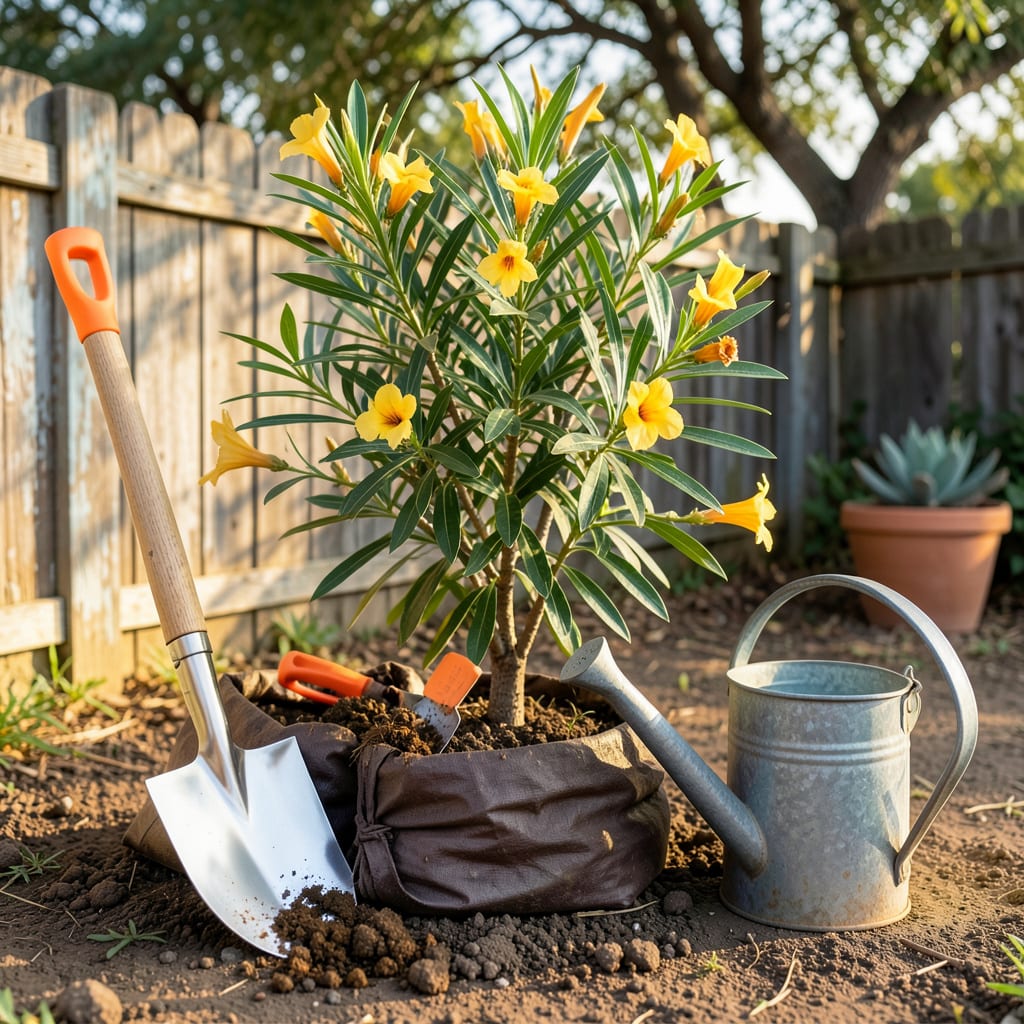
Timing can make or break your 🌱 Esperanza in Texas—plant too soon, and late frost might ruin your efforts; wait too long, and you’ll miss those iconic golden blooms. The Lone Star State’s diverse climate means what works in Dallas won’t always fly in the Rio Grande Valley.
I’ve dug into the data (and dirt) to pinpoint the perfect window for your region. Whether you’re battling North Texas chills or South Texas scorchers, you’ll learn exactly when to plant for thriving, drought-resistant shrubs that burst with color all season.
If you’ve ever admired those cascading golden-yellow blooms of esperanza (aka yellow bells), you know timing is critical in Texas. Our state’s climate varies wildly—what thrives in Houston’s humidity might struggle in El Paso’s arid heat. Let’s break it down regionally.
In North Texas (Dallas, Fort Worth), wait until mid-April to early May after the last frost. Central Texas (Austin, San Antonio) can push planting to late March, while South Texas (Rio Grande Valley) enjoys a year-round window—though spring still reigns supreme.
For West Texas (Lubbock, Midland), aim for April through June. The dry heat demands extra attention to soil moisture during establishment. Coastal areas like Corpus Christi can plant earlier thanks to milder winters, but watch for salt spray near beaches.
No matter your region, soil temperature is key—esperanza thrives when soil hits 65–70°F. Use a soil thermometer or check local ag extension reports. If you’re in a urban heat island (like downtown Austin), you might plant 2–3 weeks earlier than rural areas.
Pro tip: Container-grown esperanza can be planted anytime if you avoid extremes. Just acclimate plants to outdoor temps for 3–5 days before transplanting. This trick works well in Central and South Texas, where nurseries stock esperanza year-round.
If you’re in East Texas (Tyler, Longview), your higher rainfall means better moisture retention—but also watch for root rot. Plant on raised mounds or slopes for drainage. The Piney Woods region’s acidity might require lime amendments to hit esperanza’s preferred pH 6.0–7.5.
For high-altitude areas (like the Davis Mountains), delay planting until late May. Cooler nights linger, and esperanza hates frost. Use black plastic mulch to warm soil faster if you’re eager to get started.
Remember, esperanza is drought-tolerant once established, but new plants need consistent water for the first 4–6 weeks. Set up drip irrigation or soaker hoses to deliver 1–2 inches of water weekly during this critical period.
Finally, if you’re planting near concrete or asphalt, expect reflected heat. In these spots, late afternoon shade becomes essential. Consider pairing esperanza with taller shrubs (like Texas sage) to provide natural shade during peak heat.
With the right timing, your esperanza will reward you with months of vibrant blooms—and the envy of your neighborhood! Just match your planting window to your region’s quirks, and you’ll be golden. 🌻
Even with perfect timing, a few common mistakes can derail your esperanza’s success. I’ve seen gardeners in Houston and Dallas struggle with the same issues—often without realizing what went wrong. Let’s tackle the top three pitfalls and how to sidestep them.
First up: ignoring soil prep. Esperanza hates soggy roots, so planting in compacted clay (common in North Texas) without amending is a recipe for disaster. Work in 3–4 inches of compost and coarse sand to improve drainage before planting.
The second mistake—overwatering—is especially tricky in Central Texas. Many gardeners assume “more water = better,” but esperanza roots rot easily in saturated soil. Use the finger test: stick your finger 2 inches deep—if it’s dry, water; if moist, wait.
In South Texas, the mistake often flips: underestimating heat stress. New plants wilt dramatically in 100°F+ temps. Combat this with shade cloth for the first 2–3 weeks and mulch heavily (3–4 inches of shredded bark) to keep roots cool.
Finally, don’t forget post-planting fertilization. While esperanza isn’t heavy feeder, a light dose of 5-10-10 fertilizer at planting encourages strong roots. Avoid high-nitrogen mixes—they promote leafy growth over blooms. In West Texas, skip fertilizer entirely the first month to avoid burning tender roots.
If you’re in coastal areas (like Galveston), watch for salt burn. Rinse foliage with fresh water every few weeks, and plant on raised beds if near the ocean. The salt-tolerant ‘Gold Star’ cultivar is your best bet here.
Remember, esperanza is forgiving once established, but those first 6–8 weeks are critical. Dodge these mistakes, and you’ll be rewarded with explosive golden blooms from summer through fall—with minimal fuss. 🌻
When choosing plants for your Texas garden, esperanza (yellow bells) is a star—but how does it stack up against other heat-loving shrubs? I’ve grown all these in my own landscape, and each has its strengths. Let’s compare bloom power, drought tolerance, and maintenance to help you decide.
Esperanza shines with its long bloom season (summer to frost) and fast growth, but alternatives like lantana and salvia offer unique perks. Your choice depends on whether you prioritize color duration, water savings, or pollinator appeal.
If water conservation is your top priority, lantana wins—it thrives on rainfall alone once established. But for sheer drama, esperanza’s 6-foot tall golden cascades can’t be beat. In dry West Texas, I’d pair esperanza with salvia for a low-water, high-impact combo.
For shady spots, Turk’s cap is your only option here—it’s the rare Texas shrub that blooms well with just 4–6 hours of sun. But if you want nonstop color in full sun, esperanza and lantana tie for first place. Salvia adds vertical spikes to break up the mounding shapes.
Maintenance-wise, esperanza and salvia are the easiest—just light pruning in late winter. Lantana demands regular deadheading to stay tidy, while Turk’s cap may need fungicide sprays in humid East Texas. For coastal gardens, esperanza’s salt tolerance outshines the others.
Pro tip: Mix esperanza with purple salvia for a stunning contrast that hummingbirds adore. Or pair it with silver-leaved Texas sage for a drought-proof duo that glows in the landscape. Whichever you choose, Texas’ heat won’t stand a chance! ☀️
In South and Coastal Texas, fall planting can work if done by early October. This gives roots time to establish before winter. Avoid late fall plantings in North Texas, where early frosts can damage young plants.
Use a soil thermometer to check temperatures at 6–8 inches deep. Esperanza thrives when soil reaches 65–70°F. In most of Texas, this occurs 4–6 weeks after the last frost date.
Yes! Container-grown esperanza adapts well to Texas climates. Use well-draining pots (minimum 12 inches deep) and cactus/succulent mix. Move containers to partial shade during 100°F+ heatwaves to prevent stress.
Overwatering tops the list—especially in clay-heavy soils common in North Texas. Esperanza needs deep but infrequent watering (1–2 inches weekly) during establishment. Always check soil moisture 2 inches down before watering.
Plants set out in early spring (March–April) typically produce more first-year blooms than summer plantings. However, summer-planted esperanza often establishes stronger root systems for next year’s explosive color. Timing depends on your priority!
