
Beautiful Plants For Your Interior
Beautiful Plants For Your Interior
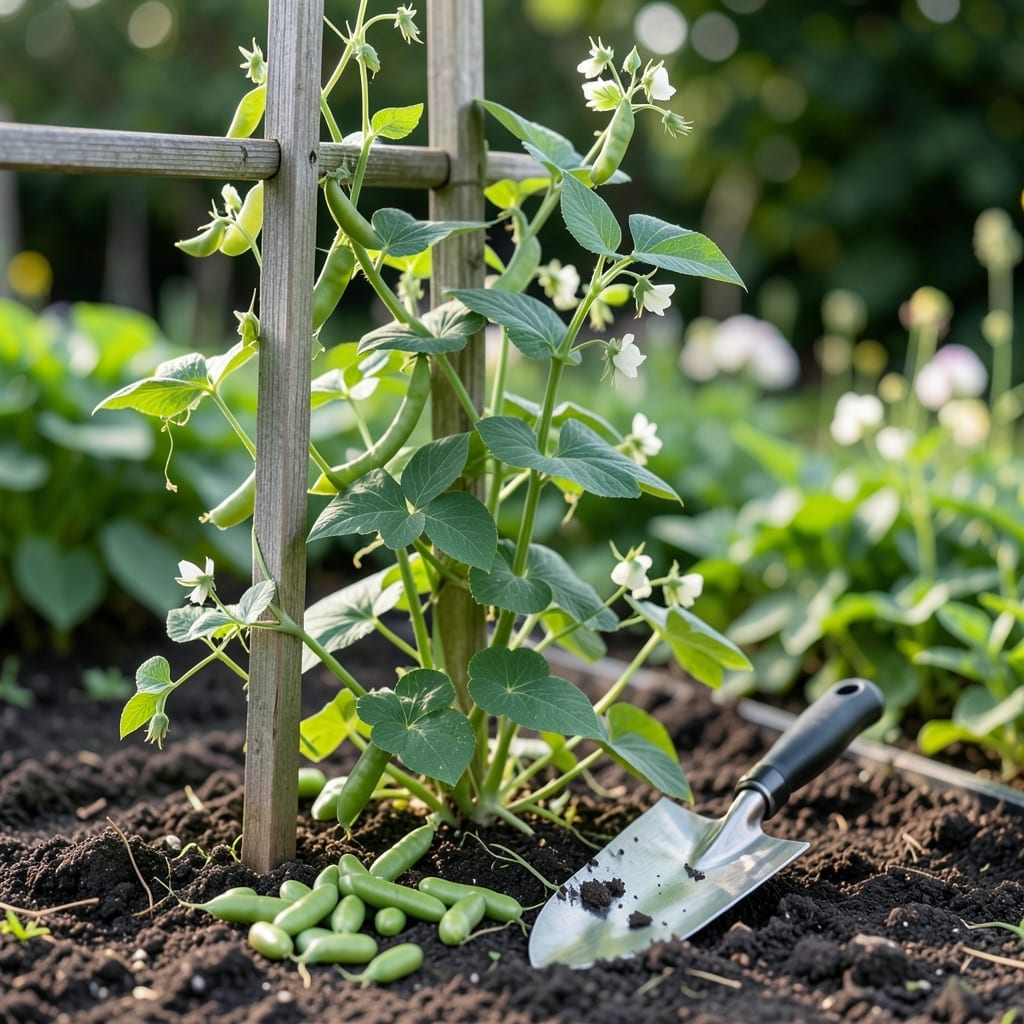
Timing is everything when it comes to growing English Peas 🌱 in Alabama. Plant too early or too late, and you risk a poor harvest—but get it right, and you’ll enjoy sweet, tender peas all season long.
In our 7b-8a climate, the window for success is narrow. The soil needs to be cool but workable, and the timing must align with our last frost date.
I’ve tested different approaches over the years, and the difference between a mediocre crop and a bountiful one often comes down to just a few weeks.
Let me walk you through the ideal planting schedule and what to watch for to ensure your spring harvest is the best it can be.
Alabama’s diverse climate zones mean planting times for English peas vary. In the northern region, like Huntsville, aim for late February to early March. This aligns with the last frost date of April 15. 🌱
The central region, including Birmingham, has a slightly earlier window. Here, mid-February to early March works best, as the last frost typically hits around April 1. The soil warms faster, but peas thrive in cool temperatures. 🌿
| Region | Planting Window | Last Frost Date | Soil Temp |
|---|---|---|---|
| Northern Alabama | Late Feb – Early March | April 15 | 40-60°F |
| Central Alabama | Mid Feb – Early March | April 1 | 40-60°F |
| Southern Alabama | Early Feb – Late Feb | March 15 | 40-60°F |
In southern Alabama, like Mobile, you can start even earlier. Early to late February is ideal, with the last frost around March 15. The warmer winters here mean you can push the envelope slightly. ✂️
Soil temperature is critical for English peas. They germinate best in 40-60°F. Use a soil thermometer to check. If the soil is too cold, seeds may rot. If it’s too warm, they may not germinate at all.
I always pre-soak my pea seeds overnight to speed up germination. This is especially helpful in cooler soils. Just don’t soak them longer than 12 hours, or they might start to sprout prematurely.
Another tip: succession planting can extend your harvest. Plant a new row every 10-14 days until early April. This way, you’ll have a steady supply of peas rather than one big harvest.
Frost tolerance is a big advantage of English peas. They can handle light frosts without damage, making them perfect for early spring planting in Alabama. But if a hard freeze is forecasted, cover young plants with frost cloth. 🌡️
Remember, well-draining soil is key. Peas don’t like soggy roots. If your soil is heavy clay, consider raised beds or amending with compost to improve drainage.
Finally, keep an eye on the weather forecast. Alabama’s weather can be unpredictable, and a late cold snap can set back your plants. I’ve learned to be patient and wait for the right conditions rather than rushing to plant.
Preparing your soil properly is the secret to a bountiful English pea harvest in Alabama. I always start by testing the soil pH, aiming for a slightly acidic to neutral range of 6.0 to 7.0. Peas thrive in well-draining soil, so I amend heavy clay with compost.
English peas need full sun and consistent moisture. Work the soil when it’s cool but not soggy, usually 4-6 weeks before our last frost date. This gives the seeds time to establish before warm weather hits.
I’ve found that raisin-like wrinkled seeds often germinate faster than smooth ones. Plant them 1 inch deep and 2 inches apart in rows spaced 18-24 inches apart. This gives each plant enough room to climb and access sunlight.
After planting, I mulch lightly with straw to retain moisture and suppress weeds. Peas have shallow roots, so avoid deep cultivation. A trellis or fence is essential—most English pea varieties grow 1-2 feet tall and need support.
Water consistently, providing about 1 inch per week. I water in the early morning to allow foliage to dry, reducing disease risk. If the soil feels dry 1 inch below the surface, it’s time to water.
Within 7-10 days, you should see sprouts emerging. Once they’re 2-3 inches tall, I thin them if needed. This ensures strong, productive plants that will reward you with sweet peas in about 60 days.
Remember, peas fix nitrogen in the soil, so they’re great for crop rotation and improving soil health for future plantings.