
Beautiful Plants For Your Interior
Beautiful Plants For Your Interior
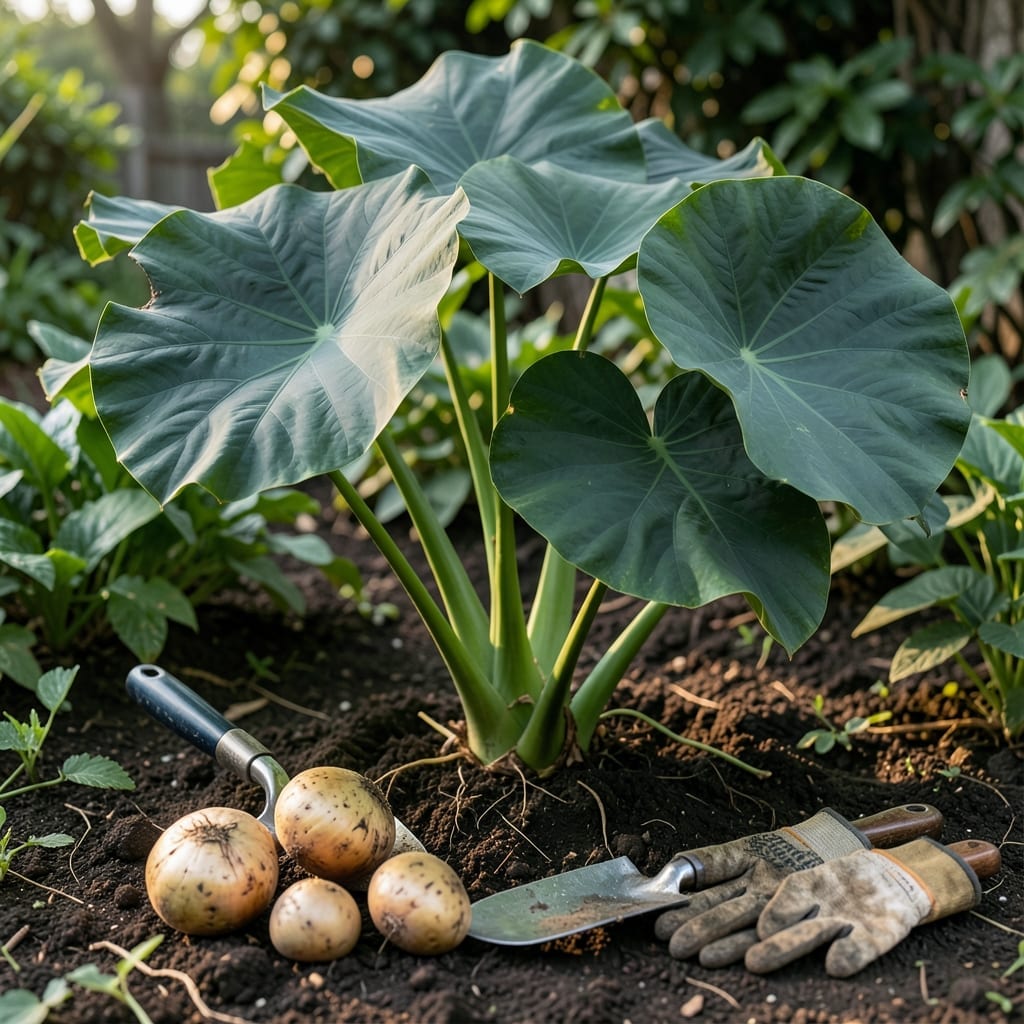
Timing is everything when planting Elephant Ear bulbs in Missouri—plant too early, and frost can ruin your tropical beauties; too late, and you’ll miss their lush summer display.
I’ve seen gardeners struggle with this exact issue, watching their 🌿 Elephant Ear wilt because they jumped the gun on planting. The key lies in understanding Missouri’s unique climate patterns.
With our 6a zone’s last frost typically around mid-April, there’s a sweet spot that ensures your plants thrive. This guide will help you pinpoint that perfect moment.
Discover how to align your planting with nature’s calendar for the most spectacular results. Let’s get your garden ready for those stunning, oversized leaves.
Missouri spans USDA zones 5-7, meaning your planting window varies slightly depending on where you live. In zone 5, the last frost typically hits around April 15, while zone 7 gardeners often see it by April 1. 🌱
For elephant ear bulbs, the golden rule is waiting until soil temps hit 60°F. These tropical plants can’t handle frost, so planting too early risks losing them to a late cold snap. I always check my local soil temperature with a simple thermometer. 🌡️
| Zone | Last Frost Date | Planting Window | Soil Temp Target |
| 5 | April 15 | Mid-May to early June | 60°F+ |
| 6 | April 10 | Late April to May | 60°F+ |
| 7 | April 1 | Early April to mid-May | 60°F+ |
In northern Missouri (zone 5), I recommend waiting until mid-May to ensure the soil is warm enough. Southern Missouri (zone 7) gardeners can start as early as mid-April, but always keep an eye on the forecast. 🌿
Elephant ears thrive in partial shade, especially in Missouri’s hot summers. If you’re in a warmer microclimate, like near St. Louis, you might get away with planting a week earlier. But patience pays off—rushing can cost you the whole season.
I’ve learned that soil prep is just as important as timing. Elephant ear bulbs need well-draining soil to prevent rot. I mix in plenty of compost before planting to give them a nutrient boost and improve drainage. 🪴
If you’re unsure about your soil temperature, a simple $10 thermometer from your local garden center can save you a lot of guesswork. Stick it 2-3 inches deep where you plan to plant—if it reads 60°F or higher for a few days in a row, you’re good to go.
For container planting, you can start elephant ears indoors about 4-6 weeks before your last frost date. This gives them a head start, but be sure to harden them off before moving them outside permanently. I’ve had great success with this method in zone 6.
Remember, Missouri weather can be unpredictable. A late frost isn’t uncommon, even in May. If the forecast calls for a cold snap after planting, cover your elephant ears with frost cloth or a light blanket overnight. ✂️
Finally, mulching after planting helps regulate soil temperature and retain moisture. I use a 2-3 inch layer of organic mulch, like shredded bark or straw, to give my plants the best start possible. This simple step can make a big difference in their growth and health.
Planting Elephant Ear bulbs in Missouri requires careful timing and preparation. I always start by selecting a spot with partial shade, especially important for our hot summers. The soil should be well-draining and enriched with compost to give your plants the best start.
Before planting, ensure the soil temperature is consistently above 60°F. In Missouri, this typically means waiting until mid-May to avoid any late frost surprises. This is crucial for these frost-sensitive tropical plants.
When planting, dig holes about 2-3 inches deep and space the bulbs 3-4 feet apart. This gives them room to grow into their impressive 3-6 foot height. After planting, water thoroughly to help settle the soil around the bulbs.
Post-planting care is just as important. I recommend adding a 2-inch layer of mulch around the base to help retain moisture and regulate soil temperature. This is especially helpful in Missouri’s variable spring weather.
Remember that Elephant Ears love moisture, so keep the soil consistently damp but not waterlogged. In our clay-heavy Missouri soil, this balance is key to preventing root rot while ensuring healthy growth.
With these steps, you’ll be rewarded with lush, tropical foliage that transforms your garden. The wait for that perfect planting window is always worth it when you see those first giant leaves unfurl. 🌿