
Beautiful Plants For Your Interior
Beautiful Plants For Your Interior
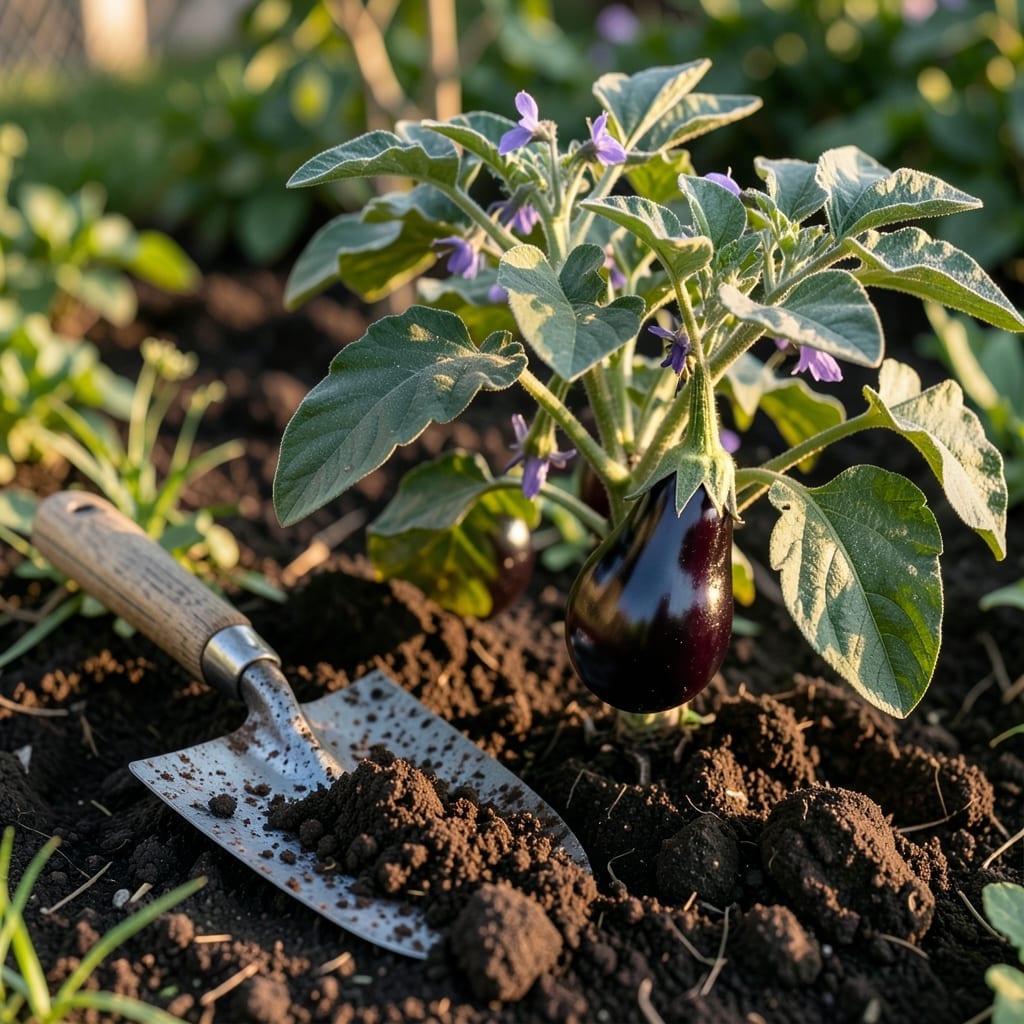
Timing is everything when it comes to growing Eggplant in Southern California’s unique climate. Plant too early or too late, and you risk stunted growth or poor yields.
Our region’s 10a zone offers a long growing season, but knowing when to start is the key to success. The difference between a thriving harvest and a struggling garden often comes down to a few weeks.
I’ve seen firsthand how planting at the right time transforms results. The spring window here is forgiving, yet precise timing still matters for that perfect start.
Let me walk you through how to hit that sweet spot for Eggplant in your garden. The rewards are worth every bit of planning.
Southern California’s mild winters and long growing season make it ideal for eggplant, but timing is key. I’ve found that early spring and late summer offer the best windows for planting. The region’s USDA zones 9-11 mean frost is rare, but soil warmth matters most.
For coastal areas, like San Diego or LA, March to April is prime time. Inland zones, such as Riverside, can start 2-3 weeks earlier due to warmer soils. Desert areas like Palm Springs may need to wait until late March to avoid heat stress.
| Region | Best Planting Months | Soil Temp Goal | Notes |
|---|---|---|---|
| Coastal | March–April | 60–70°F | Cooler springs, use black plastic to warm soil |
| Inland | February–March | 65–75°F | Warmer soils, earlier start possible |
| Desert | Late March–April | 70–80°F | Avoid midday heat, use shade cloth |
A second planting window in late summer (August to September) works well for a fall harvest. I recommend starting seeds indoors 8–10 weeks before transplanting to ensure strong, established plants ready for the cooler months.
Eggplant hates cold soil, so I always check with a soil thermometer before planting. If the soil is below 60°F, the seeds or transplants may struggle to grow. In my experience, black plastic mulch can speed up soil warming by 5–10°F.
For transplants, I wait until nighttime temperatures stay above 50°F. This is especially important in higher elevations or areas near the coast where marine layers can keep mornings chilly. A cold frame or row cover can help protect young plants.
If you’re in a microclimate with intense heat, like the Inland Empire, consider partial shade cloth during peak afternoon hours. Eggplants thrive in full sun, but scorching temps above 90°F can stress them out.
I’ve had great success with successive planting every 3–4 weeks in spring. This staggering ensures a continuous harvest rather than a single flush of eggplants. Just be sure to stop planting by early July for fall crops to mature before cooler weather.
Remember, container gardening is a fantastic option in SoCal. Eggplants grow well in 5-gallon pots with well-draining soil. This also allows you to move them to optimal sun spots as the seasons change.
Finally, keep an eye on the weather forecast. A surprise cold snap or heatwave can throw off even the best-laid plans. With the right timing, you’ll be rewarded with plentiful, glossy eggplants all season long 🌱
If you want healthy eggplant in Southern California, soil temperature is key. I always aim for 70-85°F for optimal growth. Anything below 60°F can stunt your seedlings, so patience pays off here.
Eggplants crave well-draining soil with a slightly acidic pH of 5.5-6.5. I mix in plenty of compost to boost fertility and improve moisture retention without waterlogging.
These plants are sun worshippers—give them 6-8 hours of direct sunlight daily. In inland areas, afternoon shade can prevent heat stress during peak summer.
I’ve found that raised beds work wonders in SoCal. They warm up faster in spring and offer better drainage. Just ensure the bed is at least 12 inches deep for robust root development.
Don’t overlook mulching—it keeps soil temp steady and reduces water evaporation. I use straw or wood chips to conserve moisture without suffocating the plants.
Finally, consistent watering is crucial, especially during fruit set. Aim for 1-2 inches weekly, but let the top inch of soil dry between waterings to avoid root issues.
☀️