
Beautiful Plants For Your Interior
Beautiful Plants For Your Interior
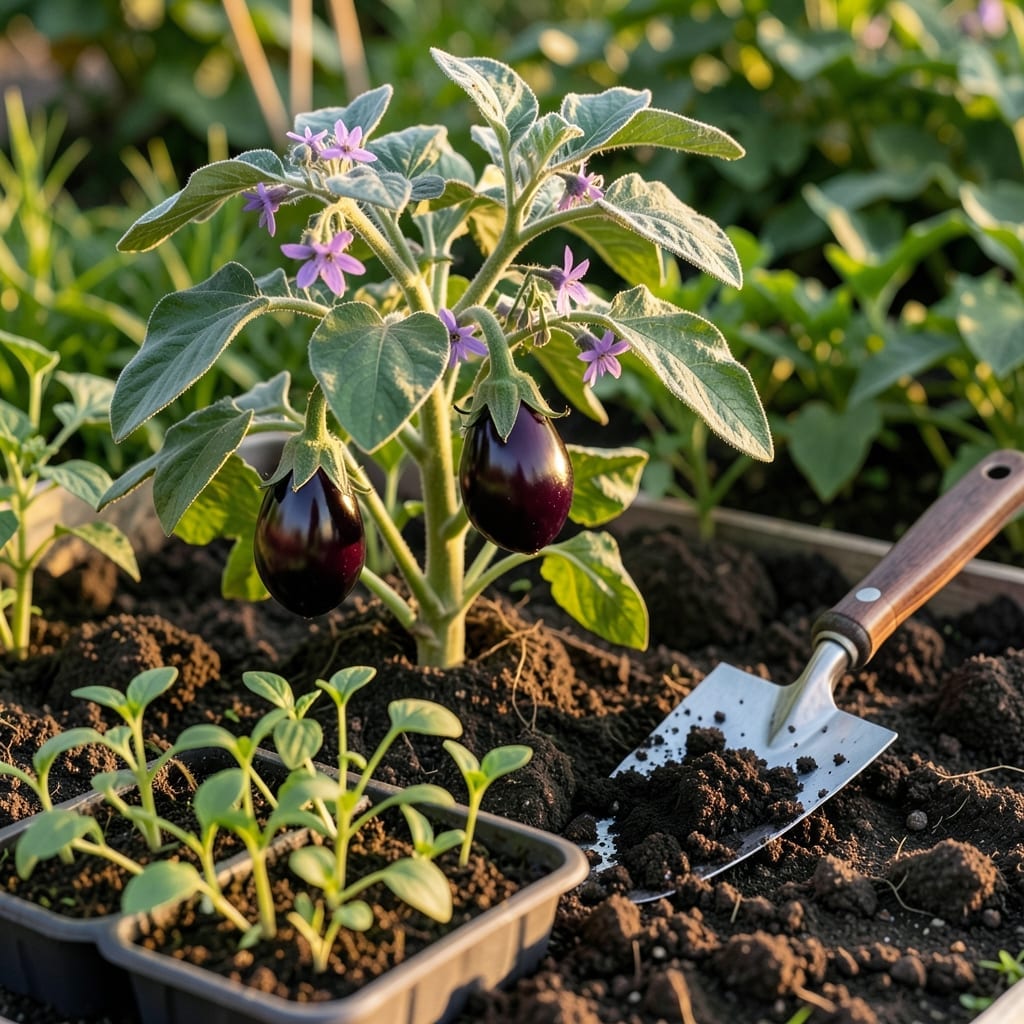
Timing is everything when growing 🍆 Eggplant in North Carolina’s diverse climate. Plant too early, and frost can wipe out your crop; too late, and scorching heat may stunt growth.
I’ve seen gardeners struggle with this balance, but there’s a sweet spot that ensures thriving plants. In zones 7b-8a, the window is narrow but rewarding.
Whether you’re in the Coastal, Piedmont, or Mountain regions, knowing your local conditions is the key. Soil temperature and frost dates play a huge role in success.
Discover the perfect timing and preparation steps to make your Eggplant harvest the best it can be this season.
North Carolina’s varied climate means eggplant planting dates differ by region. The Coastal Plains warm up fastest, while the Mountains stay cooler longer. Knowing your last frost date is critical for success.
I always check soil temperature—eggplants need 70-85°F to thrive. In the Piedmont, mid-April is usually safe, but the Coastal area can start earlier.
| Region | Last Frost Date | Planting Window | Soil Temp |
|---|---|---|---|
| Coastal | March 15-30 | Early April | 70°F+ |
| Piedmont | April 1-15 | Mid-April | 70°F+ |
| Mountains | April 15-30 | Late April-May | 70°F+ |
In the Coastal Plains, I start eggplant seeds indoors in late January. This gives them 8-10 weeks to grow before transplanting after the last frost date.
The Piedmont region is trickier. I wait until mid-April when soil temps hit 65°F. Using black plastic mulch helps warm the soil faster for earlier planting.
For the Mountain areas, patience is key. I never plant before late April, and sometimes wait until May. Row covers can protect young plants from unexpected cold snaps.
USDA Zone 7b gardeners in central NC can push the envelope slightly. I’ve had success planting early April with frost cloth ready just in case.
Remember, eggplants hate cold. Even a light frost can kill them. I always check the 10-day forecast before transplanting seedlings outdoors.
If you’re unsure about your soil temperature, use a soil thermometer. It’s the most reliable way to know when conditions are right for your eggplant seedlings.
In my experience, transplanting in the evening helps reduce stress on the plants. The cooler temps and overnight recovery give them a better start in their new home. ☀️
Getting your NC garden ready for eggplant starts with soil preparation. I test my soil pH to ensure it’s between 5.5-6.5, the ideal range for these heat-loving plants.
Eggplants thrive in well-draining soil rich in organic matter. I mix in compost or aged manure before planting to boost fertility and improve structure.
I always start seeds indoors about 8-10 weeks before the last frost date. This gives my seedlings a head start before moving them outside.
Companion planting helps deter pests and improve growth. I plant eggplants near peppers and beans, but keep them away from fennel which can stunt their growth.
For drainage issues, I create raised beds or add sand to heavy clay soil. Eggplants hate wet feet, so proper drainage is non-negotiable for healthy plants.
Finally, I harden off my seedlings for 7-10 days before transplanting. This gradual exposure to outdoor conditions prevents shock and ensures a smoother transition. 🌱