
Beautiful Plants For Your Interior
Beautiful Plants For Your Interior
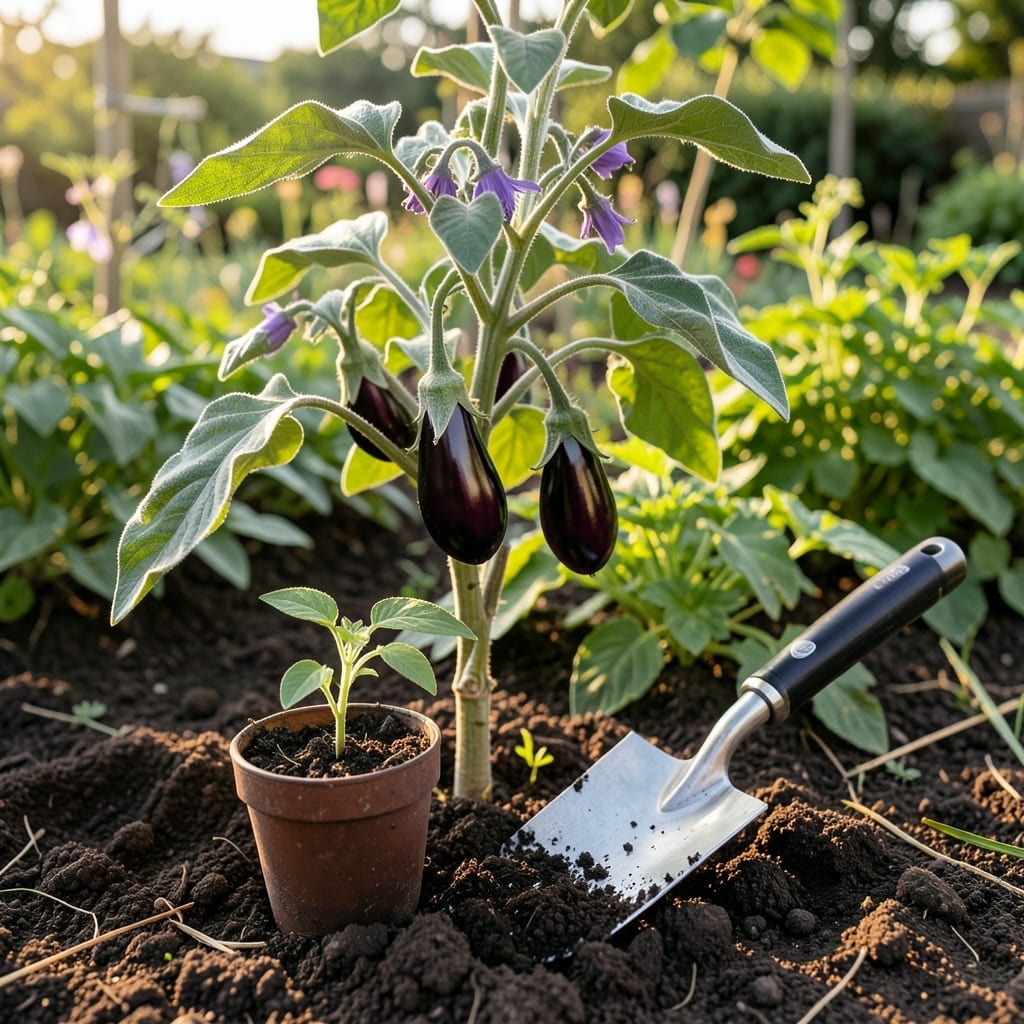
Timing is everything when planting Eggplant in California—get it right, and you’ll enjoy a bountiful harvest all season long. Get it wrong, and you risk stunted growth or a failed crop.
As someone who’s spent years perfecting my garden calendar, I can tell you that spring planting windows are your golden opportunity. The 🍆 Eggplant thrives when the soil reaches just the right temperature.
Whether you’re in foggy San Francisco or sunny San Diego, knowing your local climate nuances makes all the difference. I’ll help you navigate these variations for the best results.
Discover how to align your planting schedule with California’s unique zones. Let’s make this your most productive growing season yet.
California’s diverse climate zones mean eggplant planting times vary dramatically from coast to desert. In coastal areas, cool springs demand later planting, while inland valleys warm up faster for earlier starts.
I’ve found that soil temperature is the critical factor—eggplants need 60°F or warmer to thrive. Even in Southern California, unexpected late frosts can ruin young plants, so timing matters.
In Northern California, I wait until mid-April to transplant, but in San Diego, gardeners can start as early as February. Always check your local frost dates—eggplants hate cold!
For desert regions like Coachella Valley, the growing season starts early, but you’ll need to protect plants from intense summer heat. Shade cloth helps during peak afternoon sun.
In mountainous areas, the short season means starting seeds indoors is essential. I use heat mats to speed up germination in cooler spring temps.
Pro tip: Use a soil thermometer to confirm 60°F+ temps at 4-inch depth before planting. This simple tool prevents costly mistakes with timing.
If you’re in a microclimate with foggy summers, like San Francisco, choose fast-maturing varieties like ‘Ichiban’ or ‘Fairy Tale’ to beat the cool season.
For best results, I harden off my seedlings for 7-10 days before transplanting. This reduces shock and helps plants adjust to outdoor conditions.
Remember, eggplants love heat—the hotter the summer, the better they’ll produce. In cooler zones, consider container gardening to move plants to sunnier spots as needed.
☀️Preparing your soil and transplants properly gives your eggplant the best start in California’s varied climates. I always begin by testing my soil pH, aiming for a slightly acidic 5.5 to 6.5 range.
Enrich your beds with compost or well-rotted manure at least 2 weeks before planting. This boosts nutrients and improves drainage, which eggplants love. 🌱
For seed starting, I use peat pots to avoid root disturbance during transplanting. Keep the soil warm with a heat mat if your home stays cool.
When hardening off, gradually expose seedlings to outdoor conditions over a week. Start with 2 hours of shade and increase daily. This prevents transplant shock. 🌿
In coastal areas, wait until mid-April to transplant, but inland gardeners can start early March. Always check your local frost dates to be safe.
Finally, water your transplants deeply right after planting and add mulch to retain moisture. This simple step makes a huge difference during California’s dry spells. ✂️