
Beautiful Plants For Your Interior
Beautiful Plants For Your Interior
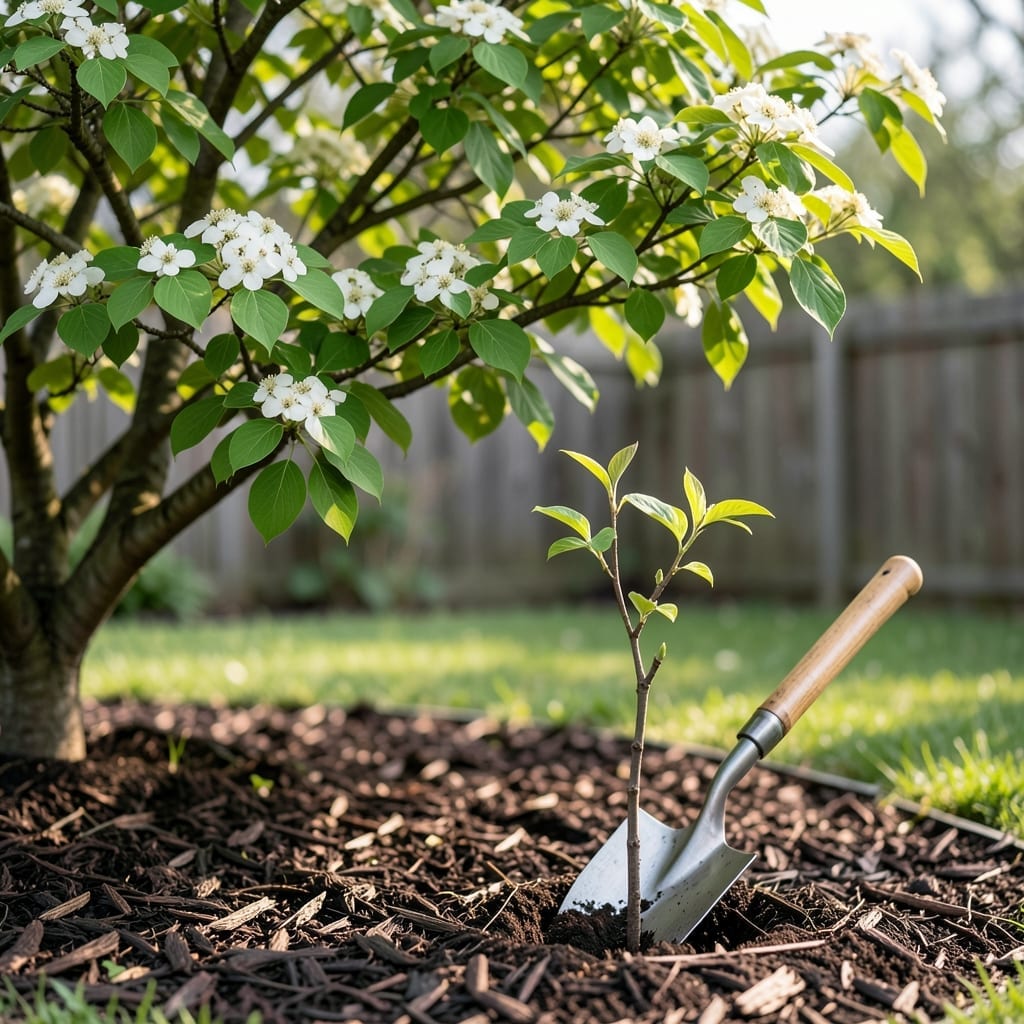
There’s something magical about watching a 🌳 Dogwood Tree burst into bloom across Georgia’s landscape. These iconic trees can transform your yard, but timing is everything when it comes to planting.
I’ve seen too many gardeners struggle because they missed the optimal window. The right season makes all the difference for root establishment and vibrant growth.
Discover when Georgia’s unique climate in zones 7b-8a gives your Dogwood Tree the best start. It’s not just about picking a date – it’s about setting up long-term success.
Let me walk you through the most important considerations for planting these beauties. Your future self will thank you when those first spectacular blooms appear.
Georgia’s zones 7-8 climate makes it ideal for dogwood trees, but timing is everything. These trees establish strong roots best when planted during dormant seasons, avoiding summer heat stress.
I’ve found that fall and early spring are the sweet spots. October through March allows roots to settle before summer heat or winter freezes hit hard. This timing gives your dogwood a head start for vibrant blooms the next year.
| Season | Months | Key Benefit |
|---|---|---|
| Fall | October-December | Cool temps, moist soil |
| Winter | January-February | Dormant season, less stress |
| Early Spring | March | Pre-growth spurt prep |
In fall planting, the soil stays warm while air temps cool, which encourages root growth without foliage stress. I always aim for late October to give roots 6-8 weeks to establish before winter.
Winter planting works well in Georgia’s mild climate. The dormant period reduces transplant shock, and bare-root trees can be planted anytime the ground isn’t frozen. Just avoid cold snaps below 20°F.
Early spring is my second favorite window. Planting in March lets roots settle before summer heat arrives. However, I avoid late spring—new growth can suffer in Georgia’s sudden heatwaves.
For container-grown dogwoods, you’ve got more flexibility. I’ve successfully planted these year-round, but fall and spring still yield the best results. Always water deeply after planting to eliminate air pockets.
Georgia’s partial shade is perfect for dogwoods. I recommend east-facing spots with morning sun and afternoon shade, especially in hotter areas like Atlanta or Savannah. This protects leaves from scorch.
The soil pH matters too—dogwoods prefer slightly acidic (pH 5.5-6.5). I always test my soil and amend with compost or peat moss if needed. Well-draining soil prevents root rot, a common issue in Georgia’s clay-heavy areas.
Finally, spacing is key. Standard dogwoods need 15-20 feet apart, while dwarf varieties do well with 10 feet. I learned this the hard way when my first dogwoods had to be transplanted due to overcrowding.
Follow these timing tips, and your Georgia dogwoods will reward you with stunning blooms for decades 🌳
Planting dogwood trees in Georgia starts with picking the right spot. I always look for locations with partial shade and well-draining soil, as these trees dislike soggy roots. Morning sun with afternoon shade works best in our warmer zones.
Before digging, I test the soil pH—dogwoods prefer acidic conditions between 5.5 and 6.5. Amending with compost improves both drainage and fertility, giving your tree a strong start.
I’ve found that fall planting gives roots time to establish before summer heat. Watering deeply after planting helps settle the soil and eliminate air pockets around the roots.
For the first year, I recommend weekly watering unless we get significant rain. Dogwoods are shallow-rooted, so consistent moisture is key, especially during Georgia’s dry spells.
Don’t forget to stake young trees if they’re in windy areas. This prevents root disturbance while the tree gets established. Remove stakes after the first growing season.
Finally, I always add a 2-3 inch layer of organic mulch to retain moisture and suppress weeds. This simple step makes a huge difference in your dogwood’s first year of growth. 🌳