
Beautiful Plants For Your Interior
Beautiful Plants For Your Interior
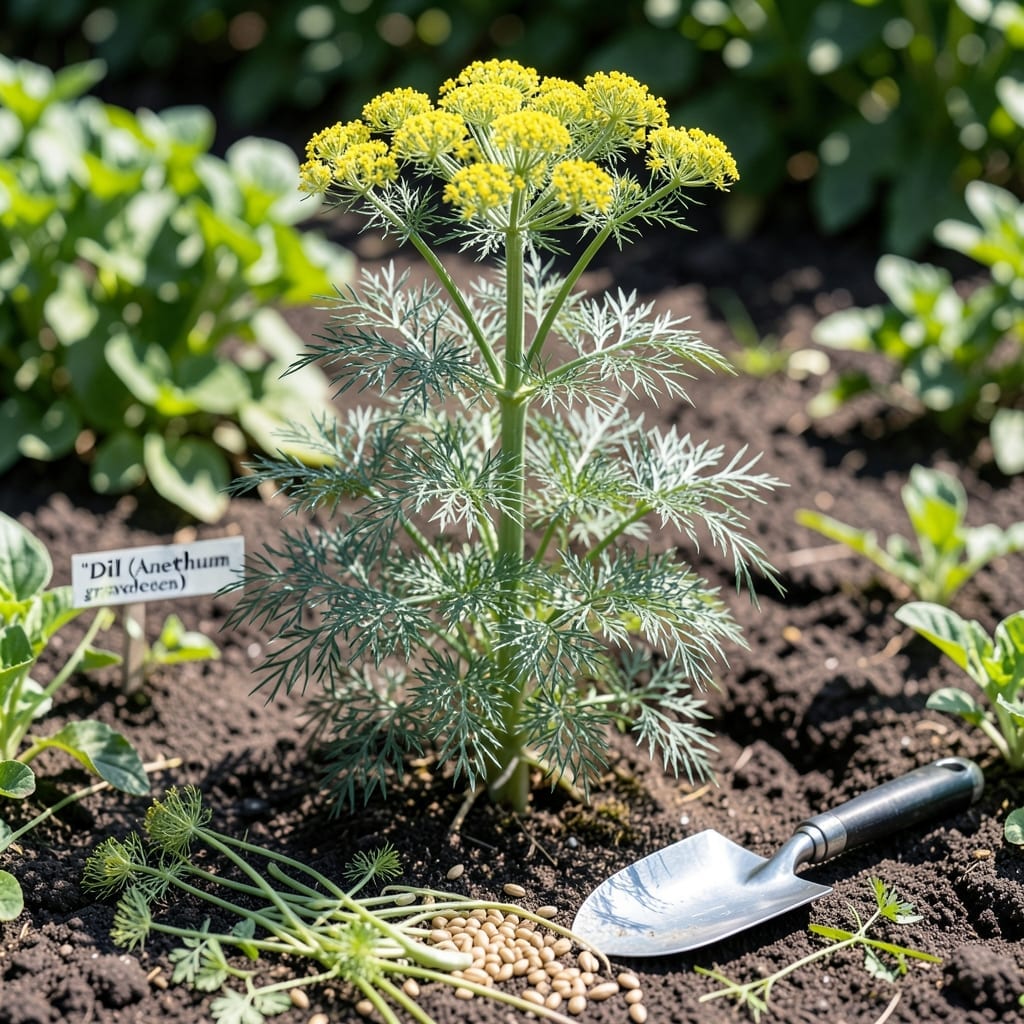
Dill thrives in Southern California’s mild climate, but timing your planting wrong can ruin your harvest. The 🌿 herb needs the right conditions to grow lush and flavorful.
In USDA Zone 10a, you’ll find the best success by planting during cooler months. This avoids the heat that makes dill bolt too quickly.
I’ll show you the ideal windows to sow seeds for a continuous supply of fresh dill. No more guessing when to start.
Discover how to align your planting with Southern California’s unique seasons for the best results every time.
Southern California’s USDA Zone 10a climate is perfect for growing dill, but timing is everything. Plant too late in spring, and the heat will cause premature bolting, leaving you with bitter, inedible leaves. I’ve found the cool-season window works best here.
The optimal planting months are from September to April, when temperatures stay between 60-75°F. This range prevents bolting while allowing steady growth for those feathery, aromatic leaves we love. ☀️
| Planting Window | Season | Temperature Range | Notes |
|---|---|---|---|
| September – November | Fall | 70-85°F | Ideal for sow direct |
| December – February | Winter | 50-70°F | Slow growth, frost protection needed |
| March – April | Early Spring | 65-80°F | Best for fast growth |
| August, May | Shoulder | 75-90°F | Risk of bolting, needs shade |
I always sow dill seeds directly into the garden because this herb doesn’t transplant well. Choose a sunny spot with at least 6 hours of light daily. The soil should be well-draining to prevent root rot, which is a common issue in our region.
For fall planting, I start seeds in early September to give plants time to establish before cooler weather. In winter, a light frost cloth can help if temperatures dip below 50°F. By late February, the soil warms up enough for a second planting.
Spring plantings should go in by mid-March to avoid the heat. Once temperatures hit 85°F, dill will bolt quickly. If you must plant in summer, provide afternoon shade and keep the soil consistently moist.
I’ve noticed that coastal areas can plant dill year-round due to the moderating ocean influence. Inland gardeners, however, should stick to the cool-season window to prevent bolting and ensure the best flavor.
Remember, dill grows fast—you’ll see sprouts in 7-14 days and can start harvesting leaves in about 40-60 days. The key is keeping the soil evenly moist but not waterlogged during germination. 🌱
Finally, avoid over-fertilizing, as too much nitrogen can lead to weak, leggy plants. A light feeding of balanced fertilizer every 4-6 weeks is all this hardy herb needs to thrive in our Southern California gardens.
Planting dill in Southern California requires careful attention to soil and sunlight. I always start by choosing a well-draining spot with at least 6 hours of sun daily for the best results.
Before sowing, I loosen the soil to 12 inches deep and mix in compost. This gives the dill seeds a nutrient-rich foundation to sprout quickly and strongly.
I’ve found that morning watering works best in this climate. It prevents evaporation and gives plants time to dry before evening, reducing fungal risks.
Dill grows quickly, so I harvest leaves when plants reach 12-18 inches tall. Regular picking encourages bushier growth and more flavorful foliage.
For continuous harvests, I stagger plantings every 3-4 weeks during the growing season. This ensures a steady supply of fresh dill without overwhelming my garden space.
Avoid over-fertilizing, as dill prefers lean soil. Too much nitrogen leads to weak stems and less aromatic leaves. A light feeding every 4-6 weeks is sufficient. ☀️