
Beautiful Plants For Your Interior
Beautiful Plants For Your Interior
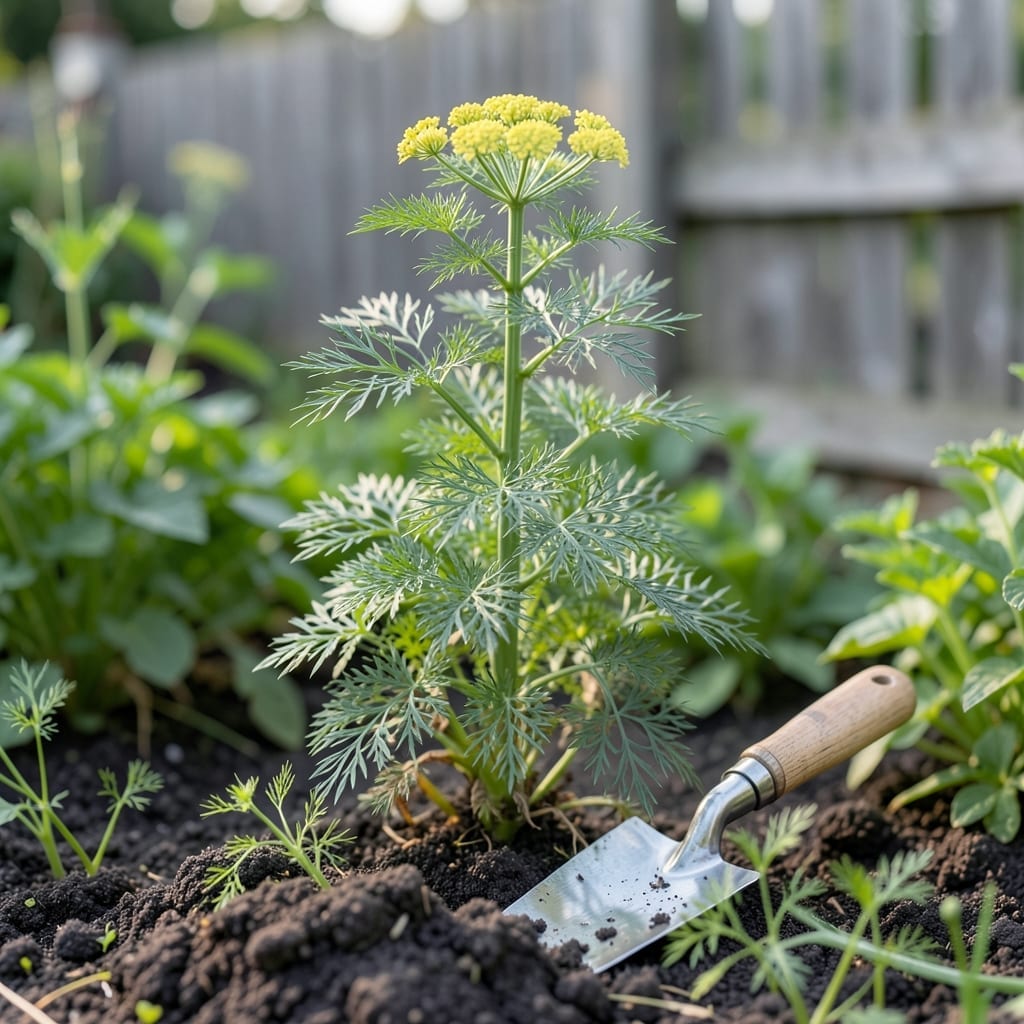
Timing is everything when growing Dill in Florida’s unique climate. Plant too early or too late, and you might miss the ideal window for this flavorful herb to thrive.
I’ve learned that 8a-10b zones offer a longer growing season, but knowing when to start is the key. Whether you’re a seasoned gardener or just beginning, getting this right makes all the difference.
From September to March, Florida’s cooler months create the perfect conditions. This isn’t just about avoiding the summer heat—it’s about giving your 🌿 the best chance to flourish.
Let me walk you through the exact timing and tips to ensure your Dill grows strong and healthy. You’ll be harvesting fresh sprigs before you know it.
Florida’s diverse climate zones (8a-11) create unique planting windows for dill. Unlike cooler states, Florida gardeners can grow dill year-round in many areas, but timing is key to avoid bolt from heat or frost damage. 🌿
The optimal planting season for dill in Florida spans from September to March. This window avoids the scorching summer months while capitalizing on the cooler, drier weather dill prefers. In North Florida (Zones 8-9), aim for early fall or late winter plantings. 🌱
| Zone | Best Planting Months | Notes |
|---|---|---|
| 8a-8b | Sept-Oct, Feb-March | Avoid hard freezes |
| 9a-9b | Oct-Nov, Jan-Feb | Mild winters ideal |
| 10a-11 | Nov-Dec, Jan | Heat-tolerant varieties only |
In Central Florida (Zone 9), I’ve found October and November plantings thrive best. The soil stays warm enough for quick germination while avoiding summer’s intense heat. South Florida’s tropical climate (Zones 10-11) allows for winter planting, but dill may bolt quickly in early spring. ☀️
For Northern Florida, watch for first frost dates (typically mid-November). Plant dill 4-6 weeks before this date for a fall harvest. In Southern Florida, the growing season extends nearly year-round, but summer plantings often struggle with premature bolting. ✂️
Dill is a cool-season herb that dislikes extreme heat. In Florida’s hottest zones, I recommend partial afternoon shade during peak summer months. This helps prevent bolting and extends your harvest window. 🌡️
For container gardeners, Florida’s climate allows year-round dill in pots. Move containers to shadier spots when temperatures exceed 85°F. Remember, dill has a deep taproot, so choose tall, deep pots for best results. 🪴
Monitor soil temperature for best germination. Dill seeds sprout best in 60-70°F soil. In Florida, this often means fall and winter are ideal. Use a soil thermometer to check conditions before planting. 💧
Finally, remember Florida’s microclimates can vary greatly. Coastal areas may have cooler breezes, while inland spots get hotter and drier. Adjust your planting schedule based on your specific location’s patterns. 🌳
Planting dill in Florida requires careful soil preparation and strategic timing. I always start by choosing a well-draining location with full sun exposure for at least 6-8 hours daily. This herb thrives in loamy soil with a pH of 5.8-6.5. 🌱
Before planting, I loosen the soil to about 12-15 inches deep and mix in compost or aged manure. This improves drainage and provides essential nutrients for healthy growth. Dill dislikes soggy roots, so avoid heavy clay soils. ☀️
I’ve found that direct sowing works best for dill, as it dislikes transplanting. If you must start indoors, use peat pots to minimize root disturbance. Plant seeds in early morning or late afternoon to avoid midday heat stress. 🌿
Dill grows quickly, often reaching harvest size in 40-60 days. To encourage bushier growth, I pinch back the top leaves when plants are 6 inches tall. This also delays flowering, which extends the leaf harvest. ✂️
For container gardening, use deep pots (at least 12 inches) to accommodate the taproot. Fill with a well-draining potting mix and place in a sunny spot. Containers allow you to move plants to shade during extreme heat. 🪴
Finally, avoid planting near carrots or coriander, as they’re in the same family and can cross-pollinate. Instead, pair dill with cabbage, lettuce, or onions for companion planting benefits. This helps deter pests naturally. 💧