
Beautiful Plants For Your Interior
Beautiful Plants For Your Interior
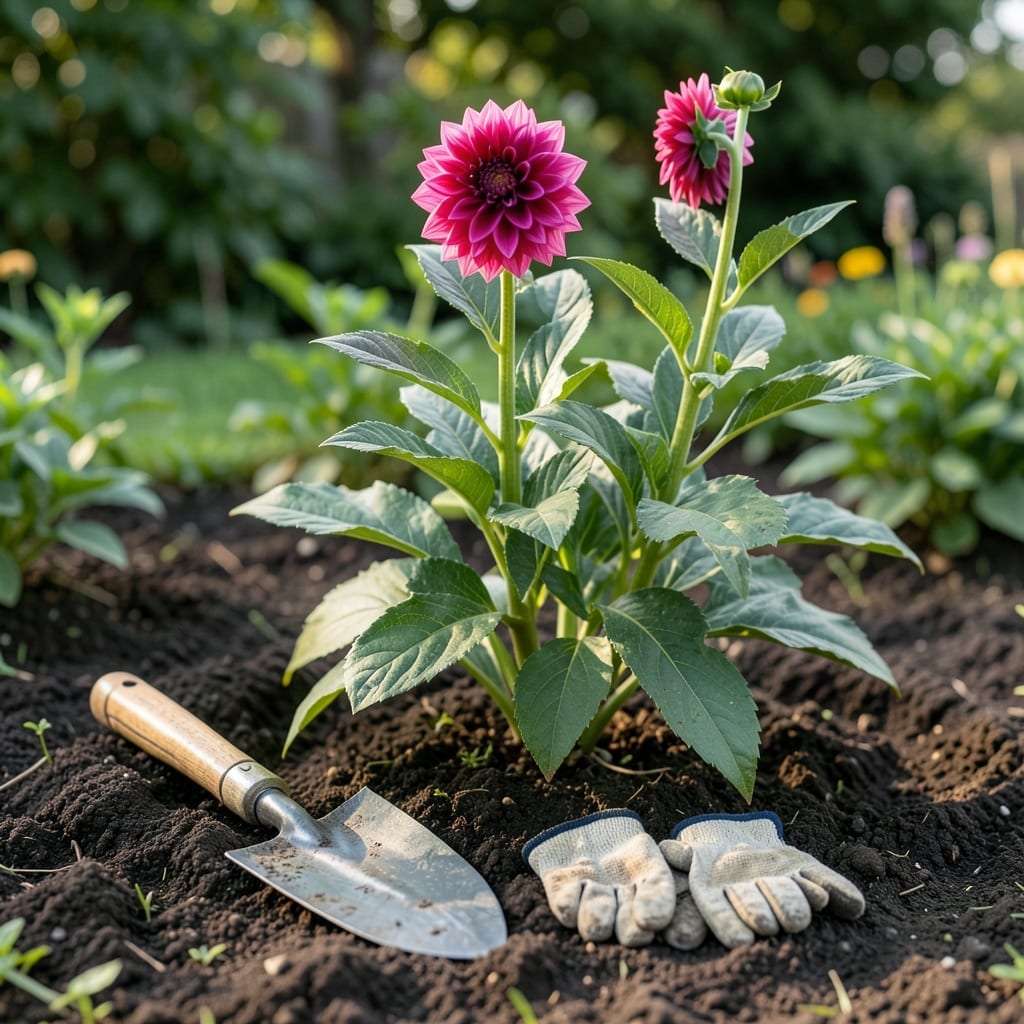
Timing is everything when it comes to planting 🌼 Dahlias in Vermont’s unpredictable Zone 4b climate. Plant too early, and frost will wipe out your tubers.
Wait too long, and you’ll miss the peak blooming season that makes these flowers so special. The window is narrow but critical for success.
I’ve learned through trial and error that Vermont’s short growing season demands precision. The soil temperature and last frost date are your most important guides.
Discover how to nail the timing and set your Dahlias up for a season of stunning blooms from July through October.
Vermont’s Zone 4 climate means timing is critical for dahlias. The last frost date is typically May 15, but I always wait until soil warms to 60°F before planting. This usually falls in late May to early June for most of the state.
Planting too early risks frost damage to tender tubers, while waiting too long shortens the blooming season. I’ve found that mid-to-late May works best in most Vermont gardens, but coastal areas might plant a week earlier. 🌼
| Requirement | Specification |
|---|---|
| USDA Zone | 4b |
| Last Frost Date | May 15 |
| Soil Temperature | 60°F minimum |
| Planting Window | Late May – Early June |
| First Frost Date | October 1 |
For earlier blooms, I start tubers indoors in April. Place them in well-draining pots with moist potting mix near a sunny window. This gives them a 4-6 week head start before transplanting outside.
Vermont’s short growing season means every day counts. If you’re in a colder microclimate, consider black plastic mulch to warm the soil faster. I’ve used this trick to plant a week earlier in shady spots.
Watch the 10-day forecast before planting. If night temps drop below 50°F, hold off. Dahlias hate cold soil, and stunted growth can result from early planting in chilly conditions.
In southern Vermont, some gardeners plant in early May if they’re willing to cover plants during unexpected frosts. I prefer waiting for consistent warmth to avoid the hassle.
For container growing, you can start earlier since pots warm up faster. Just be ready to move them indoors if a late frost threatens. I’ve kept potted dahlias thriving this way for years.
The ideal planting depth is 4-6 inches for tubers. In Vermont’s heavy clay soils, add compost or sand to improve drainage. This prevents tuber rot during wet springs.
Remember that dahlia varieties matter too. Smaller types mature faster and may handle cooler temps better than dinnerplate varieties. I always check the days to maturity when selecting tubers.
Finally, mark your planting date on the calendar. With Vermont’s 138-day growing season, you’ll want to count backward from your first expected frost to maximize bloom time. ✂️
Vermont’s cool springs demand proper soil prep for dahlia tubers. I always start by choosing a well-draining spot with full sun exposure. The soil should be enriched with compost or aged manure to boost fertility.
Before planting, I check that the soil temperature is at least 60°F. In Vermont, this usually means waiting until late May. If the ground is still cold, I’ll start tubers indoors in pots for a head start.
After planting, I keep the soil consistently moist but not soggy. Vermont’s wet summers can lead to tuber rot, so I ensure good drainage. A layer of mulch helps regulate temperature and moisture.
I also stake taller varieties early to protect against wind, which can be fierce in open Vermont gardens. Using bamboo stakes or cages keeps plants upright as they grow.
Once the first blooms appear, I deadhead spent flowers to encourage continuous blooming. This simple step extends the flowering season well into fall.
Finally, I monitor for pests like slugs and earwigs, which thrive in Vermont’s humid conditions. Handpicking or using organic baits keeps them in check without harming beneficial insects.
🌼