
Beautiful Plants For Your Interior
Beautiful Plants For Your Interior
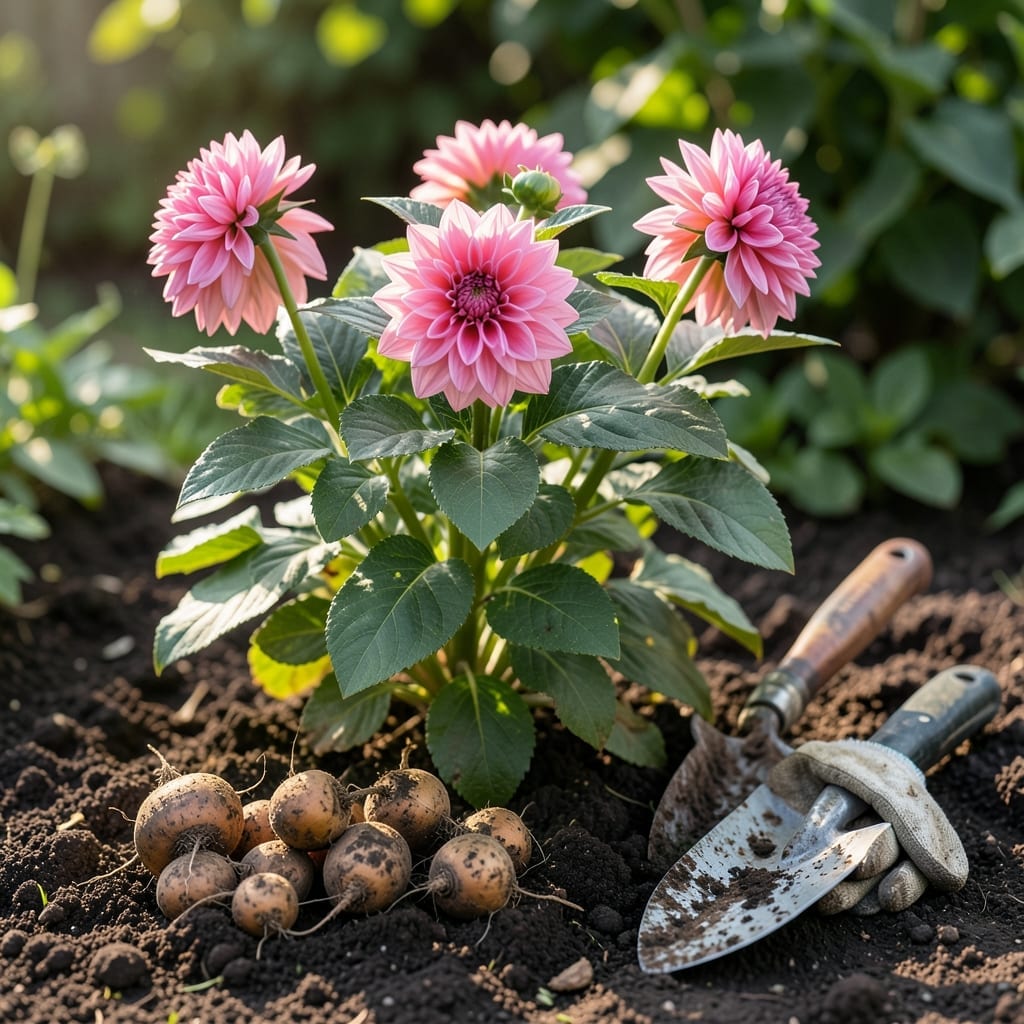
Timing is everything when it comes to planting 🌼 Dahlias in South Africa. Get it right, and you’ll be rewarded with vibrant, long-lasting blooms that turn your garden into a colorful paradise.
Many gardeners struggle with knowing the perfect window to start. The good news is that South Africa’s climate offers a unique advantage for growing these stunning flowers.
I’ve spent years perfecting the art of Dahlia cultivation in this region, and the timing makes all the difference. Whether you’re in the Highveld or along the coast, there’s a sweet spot you won’t want to miss.
Discover the exact months to plant for best results and how to prepare your soil for maximum impact. Let’s get your garden ready for its most spectacular bloom yet.
South Africa’s diverse climates mean planting times for 🌼 Dahlias vary significantly. Coastal areas enjoy milder winters, while the Highveld faces harsher frosts that demand precise timing.
For most regions, September to November is the sweet spot. This window ensures soil temperatures stay above 15°C, which is critical for tuber survival and growth.
| Region | Best Planting Months | Key Consideration |
|---|---|---|
| Highveld | October-November | Avoid late frosts in August |
| Coastal | September-October | Warmer soil earlier |
| Subtropical | August-September | Longer growing season |
In the Highveld, I’ve learned to wait until October to plant. The last frost typically hits in mid-August, so planting too early risks tuber damage from unexpected cold snaps.
Coastal gardeners can start earlier in September because their milder climate keeps soil warm. This gives tubers a head start before the summer heat kicks in.
For subtropical regions like KwaZulu-Natal, August planting works well. The consistent warmth and humidity create ideal conditions for rapid establishment.
Always check your local frost dates. Planting 2-3 weeks after the last frost ensures safe tuber development. I use a soil thermometer to confirm temperatures stay above 15°C.
If you’re in a frost-prone area, consider starting tubers in pots indoors. This lets you control the environment before transplanting after the frost risk passes.
Remember, dahlias thrive in full sun, so choose a spot with 6+ hours of sunlight daily. Pair this with well-draining soil to prevent root rot from overwatering.
By aligning your planting with these regional guidelines, you’ll set your dahlias up for a spectacular bloom season from December through March.
I’ve seen the difference firsthand—proper timing leads to stronger plants and more vibrant flowers that last longer in your garden.
Planting dahlias in South Africa requires careful preparation. I always start by choosing a sunny spot with at least 6 hours of direct sunlight daily, as these flowers thrive in bright conditions. The soil must be well-draining to prevent tuber rot.
Before planting, I loosen the soil to a depth of 12 inches and mix in compost or organic matter for added nutrients. This step ensures the tubers have room to grow and access to the nutrients they need.
Once the tubers are in the ground, I resist the urge to water heavily right away. Instead, I wait until sprouts emerge above the soil, which usually takes 2-3 weeks. Overwatering at this stage can cause the tubers to rot before they even get started.
For optimal growth, I recommend staking taller varieties early. Dahlias can grow 4-6 feet tall, and staking prevents them from toppling over in wind or rain. Use bamboo stakes or a sturdy trellis for support.
After planting, I monitor the soil moisture closely. Dahlias need consistent moisture but dislike soggy conditions. A deep watering once a week is usually sufficient, though this may vary based on rainfall and temperature.
Finally, I always add a layer of organic mulch around the base of the plants. This helps retain moisture, keeps the soil cool, and suppresses weeds that could compete with your dahlias for nutrients 🌼