
Beautiful Plants For Your Interior
Beautiful Plants For Your Interior
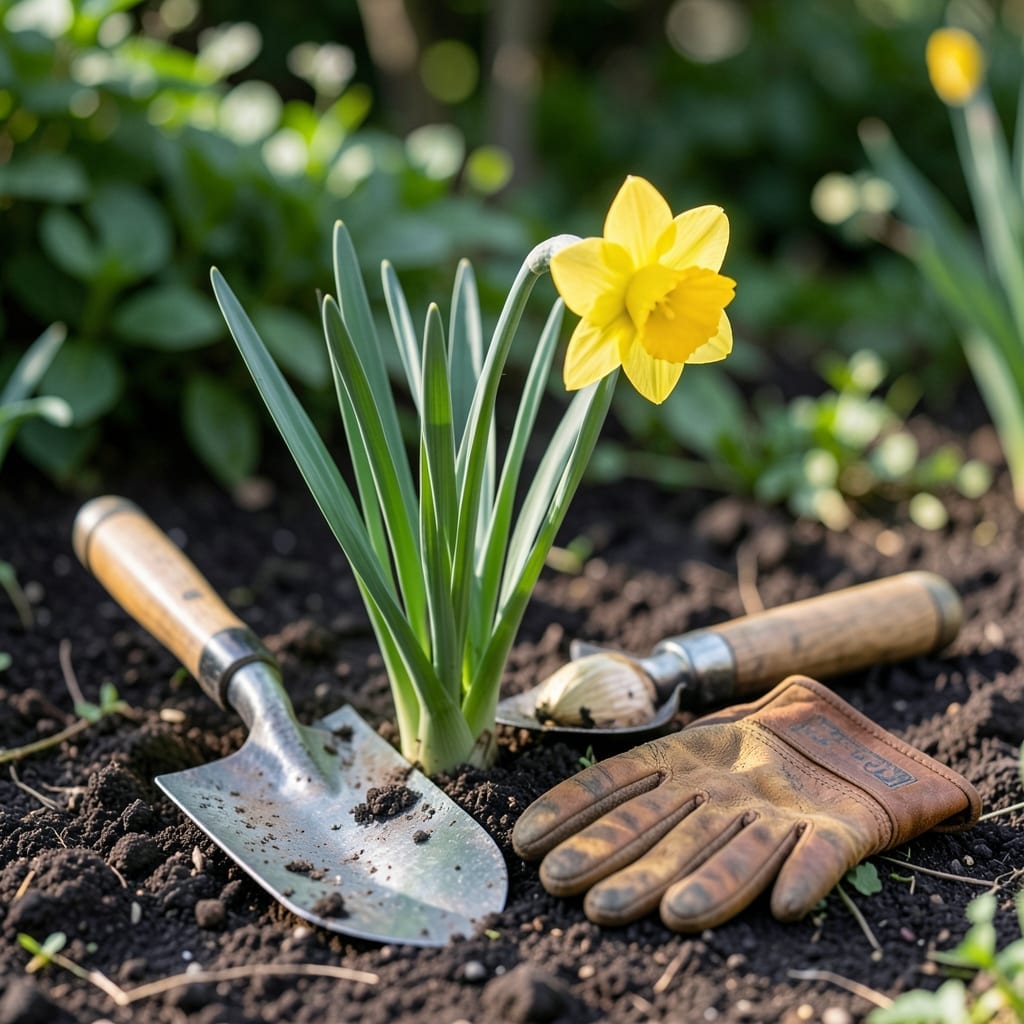
Timing is everything when growing the best spring flowers in Arkansas. Plant your 🌷 Daffodil bulbs at the wrong time, and you risk a lackluster bloom season.
Arkansas’ unique climate in zones 7b-8a demands precise planning. The fall season offers the ideal window, but knowing the exact timing makes all the difference.
I’ve learned through experience that getting this right means vibrant blossoms come March. The secret lies in working with, not against, our state’s natural rhythm.
Discover the simple yet crucial timing that will transform your garden next spring. Your future self will thank you when those cheerful blooms appear.
In Arkansas, the perfect window for planting daffodil bulbs is in the fall season. This timing allows bulbs to establish strong roots before winter dormancy. I always aim for September through November for the best results.
The key is planting 6-8 weeks before the first hard frost, which typically hits Arkansas by mid-November. This gives bulbs enough time to settle in before the cold. Soil temperatures below 60°F are ideal for root development.
| Requirement | Specification |
|---|---|
| Best Months | September – November |
| Soil Temperature | Below 60°F |
| USDA Zones | 7b-8a |
| Planting Depth | 6-8 inches deep |
| Spacing | 4-6 inches apart |
Arkansas’ mild fall weather is perfect for bulb planting. The soil stays warm enough for roots to grow but cool enough to prevent premature sprouting. I’ve found that October planting often yields the most reliable spring blooms.
For northern Arkansas (Zone 7b), aim to finish planting by early November. In southern Arkansas (Zone 8a), you can plant as late as mid-November and still get good results. Always check your local frost dates for precision.
The soil preparation is just as crucial as timing. I recommend amending your soil with organic compost to improve drainage. Daffodils hate soggy feet, so well-draining soil is a must. A pH between 6.0-7.0 is ideal for these bulbs.
Remember that earlier planting in September can work in cooler microclimates, while later planting in November suits warmer areas. The goal is to get those roots established before the ground freezes, ensuring a vibrant spring display.
I’ve learned that mulching after planting helps protect bulbs from temperature swings. A 2-3 inch layer of organic mulch like straw or shredded leaves works wonders. This extra insulation can make a big difference in Arkansas’ variable fall weather.
Lastly,
With the right timing and care, you’ll be rewarded with cheerful daffodils bursting through the soil next spring, just when you need that pop of color the most 🌷
For the best daffodil display in Arkansas, timing and technique go hand in hand. I’ve found that planting in well-draining soil prevents bulb rot, a common issue in our humid climate. The key is preparing the beds before the first frost hits.
Start by choosing a sunny location with at least 6 hours of sunlight. Daffodils thrive in spots that mimic their natural habitat—open, bright, and airy. Avoid low-lying areas where water pools after rain.
I always test soil drainage before planting. Dig a 1-foot hole, fill it with water, and check if it drains within an hour. If not, amend with sand or organic matter to improve flow.
After planting, resist the urge to water daily. Overwatering is a bigger risk than drought in Arkansas falls. A deep soak once a week is all your bulbs need to establish roots before winter.
For extra protection against Arkansas’ unpredictable weather, I add a 2-inch mulch layer. This keeps soil temperatures stable and prevents heaving during freeze-thaw cycles. 🌷
Finally, mark your planting spots. It’s easy to forget where bulbs are buried, and accidentally digging them up in spring would be a shame after all your hard work. ✂️