
Beautiful Plants For Your Interior
Beautiful Plants For Your Interior
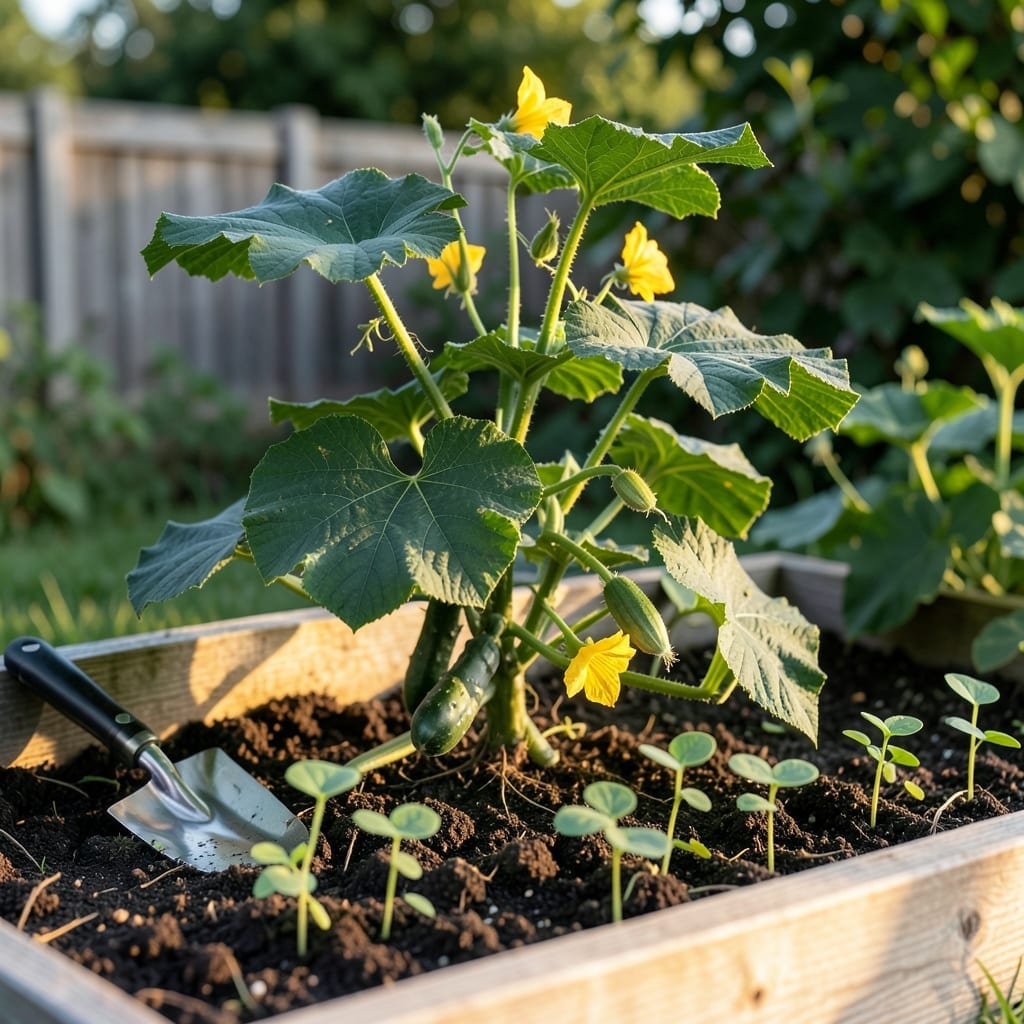
Timing is everything when growing Cucumber 🥒 in South Texas’s intense heat. Plant too early or too late, and your crop could struggle to survive.
But get it right, and you’ll enjoy a bountiful harvest of crisp, homegrown Cucumbers all season long. The key lies in understanding the region’s unique climate and planting windows.
I’ve tested the best times to plant in Zones 9a-10b, and the results are clear. With the right timing, you can avoid heat stress and maximize your yield.
Discover the optimal planting schedule that works for South Texas gardens and sets you up for success. Let’s get started.
In South Texas, where USDA Zones 8-10 dominate, cucumbers thrive when planted at the right time to avoid extreme heat. I always aim for early spring or late summer to dodge the scorching mid-year temperatures.
The ideal soil temperature for cucumber seeds is 70°F or warmer. Planting too early in cold soil can lead to poor germination, while waiting too long risks heat stress. In South Texas, this means February to April for spring and August to September for fall crops.
| Planting Window | Soil Temperature | Harvest Time |
|---|---|---|
| February – April | 70°F+ | May – June |
| August – September | 70°F+ | September – October |
South Texas’s long growing season allows for two cucumber crops yearly. I start my spring planting in late February after the last frost date, which is typically around February 15 in most areas. This gives the plants time to mature before the summer heat peaks in June.
For the fall crop, I plant in late August to early September. This timing ensures the cucumbers mature during the cooler months of September and October, avoiding the worst of the summer heat while still providing a bountiful harvest before the first frost.
Soil preparation is key. I always test my soil pH, aiming for a slightly acidic to neutral range (6.0-6.8). Adding compost or aged manure improves fertility and drainage, which cucumbers love. In South Texas’s clay-heavy soils, I mix in sand or organic matter to loosen the texture.
Cucumbers need full sun (6-8 hours daily) and consistent moisture. I use drip irrigation to keep the soil evenly moist, especially during the hot, dry spells common in South Texas. Mulching with straw or shredded leaves helps retain moisture and keeps the soil cool.
If you’re planting transplants instead of seeds, wait until the soil is warm and all danger of frost has passed. Transplants can give you a head start, but direct sowing works well too if the conditions are right. Just be sure to space seeds about 36-60 inches apart in rows 5-6 feet apart.
One thing I’ve learned is to avoid planting during the hottest months (June and July). The intense heat can cause poor pollination and bitter-tasting cucumbers. If you must plant in summer, provide afternoon shade and extra water to help the plants cope.
By following these planting windows and care tips, you’ll set your cucumbers up for success in South Texas. With the right timing and a little TLC, you’ll be harvesting crisp, fresh cucumbers in no time ☀️
South Texas’s scorching summers demand cucumbers that can handle the heat. Not all varieties thrive here, but a few stand out for their heat tolerance and disease resistance. I’ve tested many, and these are the best.
Look for types that mature quickly and resist common issues like powdery mildew. The right choice can mean the difference between a sparse harvest and a bumper crop. 🌱
| Variety | Days to Maturity | Heat Tolerance |
|---|---|---|
| Straight Eight | 55-65 | High |
| Lemon | 60-70 | Very High |
| Armenian | 60-70 | High |
Straight Eight is a classic slicing cucumber that handles South Texas heat better than most. It’s reliable and produces long, uniform fruits that are perfect for fresh eating. Plant in early spring or late summer.
Lemon cucumbers are a favorite for their sweet flavor and round, yellow fruit. They’re incredibly heat-tolerant and resist many common diseases, making them ideal for this region. I love how they stay crisp even in high temperatures.
Armenian cucumbers, also called snake cucumbers, are long and thin with a mild taste. They thrive in hot, dry conditions and are great for trellising, which helps keep the fruit off the ground and reduces disease risk. 🌿
For the best results, choose disease-resistant hybrids labeled for hot climates. These often combine the best traits of heirloom varieties with added tolerance to stress. Always check the seed packet for maturity dates and heat ratings.
With the right variety, you’ll enjoy a steady supply of cucumbers even when the Texas sun is at its peak. ☀️