
Beautiful Plants For Your Interior
Beautiful Plants For Your Interior
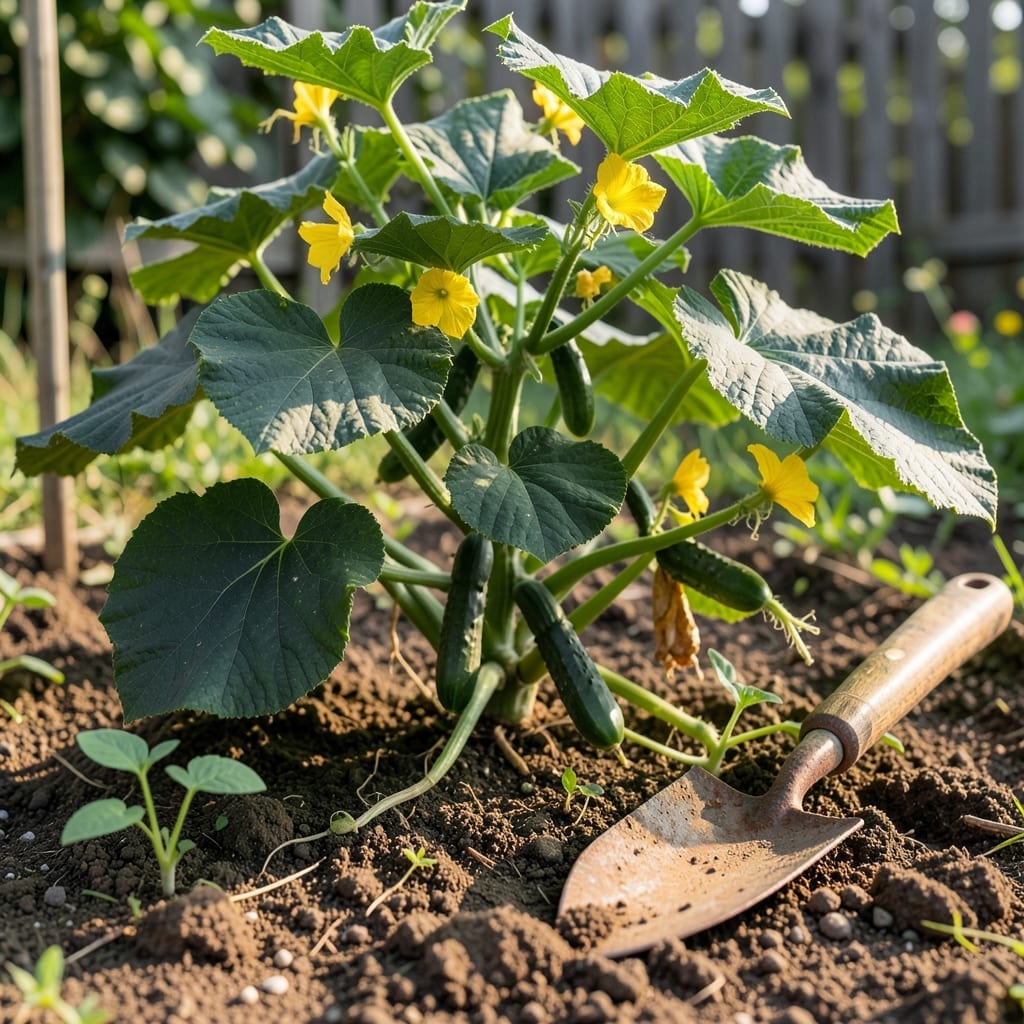
Timing is everything when it comes to growing cucumbers in North Florida’s unique climate. Plant too early or too late, and you risk poor yields or stunted growth.
The 🥒 Cucumber thrives in specific windows here—February through April and again from August to September. Miss these, and you’re fighting against frost or scorching heat.
I’ve learned the hard way that even a week can make or break your harvest. That’s why getting the timing right is the key to success.
Let me walk you through the exact dates and strategies to ensure your North Florida garden produces the best cucumbers possible.
North Florida’s USDA Zones 8b-9a offer a unique growing window for cucumbers. The region’s mild winters and hot summers create two ideal planting seasons each year for gardeners.
For the best results, I always aim to plant cucumber seeds after the last frost date, which is typically around March 15. This ensures the soil has warmed to at least 60°F, which is crucial for germination. 🌱
| Planting Season | Best Months | Harvest Time | Key Notes |
|---|---|---|---|
| Early Spring | February-April | May-June | Avoid late frosts; use row covers if needed |
| Late Summer | August-September | October-November | Plant before extreme heat; ensure consistent watering |
The spring planting window from February to April is my top choice. It allows cucumbers to mature before the scorching summer heat arrives, which can stress the plants and reduce yields.
For a second harvest, I plant again in August or September. This timing helps the cucumbers grow during the cooler fall months, avoiding the peak summer temperatures that can hinder fruit set.
I always check the soil temperature with a simple thermometer. If it’s below 60°F, I wait to plant. Cucumber seeds need warmth to sprout, and cold soil can cause them to rot. ☀️
In North Florida, the last frost date is around March 15, but I’ve learned to watch the weather forecasts. A surprise late frost can damage tender young plants, so I keep row covers handy just in case.
For the fall planting, I aim to have seeds in the ground by early September. This gives the plants enough time to mature before the first frost, which typically arrives around November 15.
I’ve found that slicing cucumbers like ‘Straight Eight’ and ‘Marketmore’ do well in both seasons. For pickling varieties, ‘Boston Pickling’ is a great choice if you want to preserve your harvest. 🌿
Remember, consistent moisture is key, especially during germination and fruiting. North Florida’s sandy soil drains quickly, so I mulch heavily to retain moisture and keep the soil temperature stable.
North Florida’s sandy soil and high humidity demand special attention when prepping for cucumber plants. I always start by amending the soil with organic compost to boost fertility and moisture retention.
For best results, test your soil’s pH level—cucumbers thrive in a range of 6.0 to 6.8. If it’s too acidic, add lime; if alkaline, sulfur can help balance it out. This small step makes a big difference in plant health.
When starting cucumber seeds indoors, I use peat pots to avoid disturbing the roots during transplanting. Keep the soil warm—70°F or higher—for optimal germination, which usually takes 3 to 10 days under ideal conditions.
If you’re transplanting seedlings, harden them off first by gradually exposing them to outdoor conditions over 7 to 10 days. This reduces shock and helps them adapt to North Florida’s climate, which can be unpredictable in early spring.
Choose disease-resistant varieties like ‘Straight Eight’ or ‘Marketmore 76’ for best results in this region. These types handle humidity better and resist common issues like powdery mildew, which can be a problem in North Florida.
Finally, consider using black plastic mulch to retain soil warmth and suppress weeds. This simple trick can speed up growth and improve yields, especially in the cooler early spring months. ☀️