
Beautiful Plants For Your Interior
Beautiful Plants For Your Interior
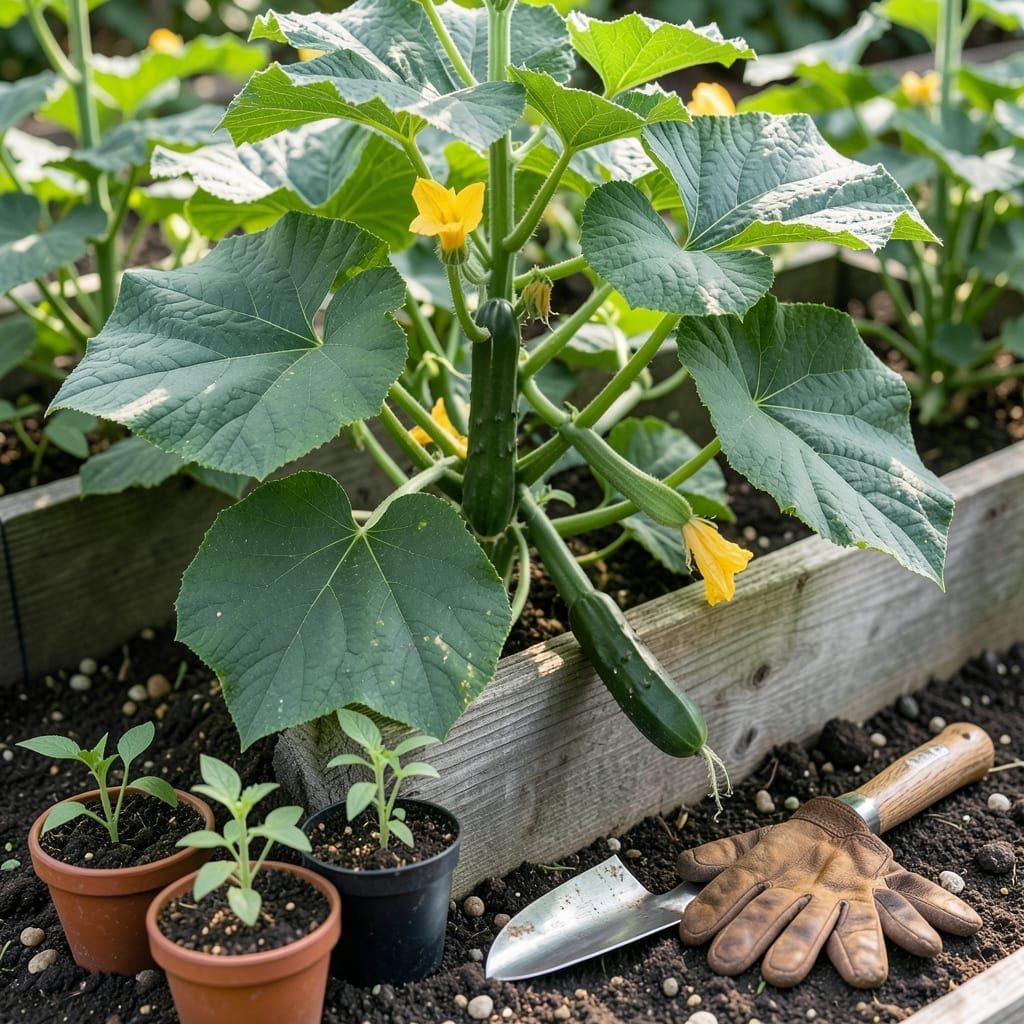
Timing is everything when planting Cucumber in New Jersey—plant too early and frost will kill your seedlings, but wait too long and you’ll miss the peak growing season.
In our 6b-7a zone, the sweet spot falls between May and June, when soil temps hit that magic 60°F mark. This window sets you up for a bountiful harvest from July through September.
I’ve seen gardeners struggle with wilting plants because they jumped the gun in April. The key is patience—let that soil warm up properly before you start.
Let me walk you through exactly how to nail the timing and get the most out of your 🥒 Cucumber crop this season. It’s simpler than you think.
In New Jersey, timing your cucumber planting depends on your region. The state spans USDA zones 6b to 7a, with last frost dates ranging from April 15 to May 15. This variation means gardeners in the southern areas can plant earlier than those up north.
For the best results, wait until the soil temperature reaches at least 60°F. Cucumbers are warm-season crops and won’t tolerate frost. Planting too early can stunt growth or kill seedlings, while waiting too long shortens your harvest window.
I always check my local weather forecast for late frosts, even after the average last frost date. A sudden cold snap can set back your plants. If you’re eager to start early, use row covers or black plastic mulch to warm the soil faster.
In Southern NJ, gardeners can often plant 2-3 weeks earlier than those in the north. This gives you a head start on the growing season. Remember, cucumbers grow fast—most varieties mature in 50-70 days, so timing is key.
For Central NJ, aim to plant around Mother’s Day. This is a good rule of thumb for many warm-season vegetables. The soil should be warm enough, and the risk of frost is minimal. Still, keep an eye on the 10-day forecast to be safe.
Northern NJ gardeners need to be the most patient. Waiting until mid-May ensures your cucumber seeds or seedlings won’t be damaged by frost. If you’re using transplants, harden them off for a week before planting to reduce shock.
Soil temperature is just as important as air temperature. Use a soil thermometer to check. If it’s below 60°F, your seeds may rot or germinate poorly. I’ve found that raised beds warm up faster than in-ground plots, giving you a slight advantage.
If you’re dealing with a cool spring, consider starting seeds indoors 3-4 weeks before your last frost date. This gives you a jump on the season. Just be sure to transplant carefully to avoid disturbing the roots. Peat pots can make this easier.
Finally, don’t forget about succession planting. For a continuous harvest, plant a new batch of seeds every 2-3 weeks until mid-summer. This works especially well in New Jersey’s long growing season.
With these tips, you’ll be enjoying fresh homegrown cucumbers all summer long 🌱
If you want to maximize your cucumber harvest in New Jersey, extending the season is key. Our long growing period allows for early starts and late finishes with the right techniques. I’ve found that a few simple strategies can give you extra weeks of production on both ends.
Start by warming the soil with black plastic mulch or row covers in early spring. This can raise soil temps by 5-10°F, letting you plant 7-14 days earlier than normal.
✅ 5 Ways to Extend Your Cucumber Season
For late-season cucumbers, succession planting is your best friend. Plant new seeds every 2-3 weeks until mid-July. This ensures a continuous harvest rather than one big flush. I like to mark my calendar to stay on track.
Don’t forget about vertical gardening. Training cucumbers up a trellis improves air circulation, reducing disease risk. It also makes harvesting easier and can extend the season by keeping fruit off the damp soil.
If you’re pushing into fall, cold frames or low tunnels can protect plants from early frosts. Just
Finally, avoid common mistakes like planting in cold, wet soil or overcrowding. These can stunt growth and reduce yields. Give your plants the best start possible, and they’ll reward you with an abundant harvest 🌱