
Beautiful Plants For Your Interior
Beautiful Plants For Your Interior
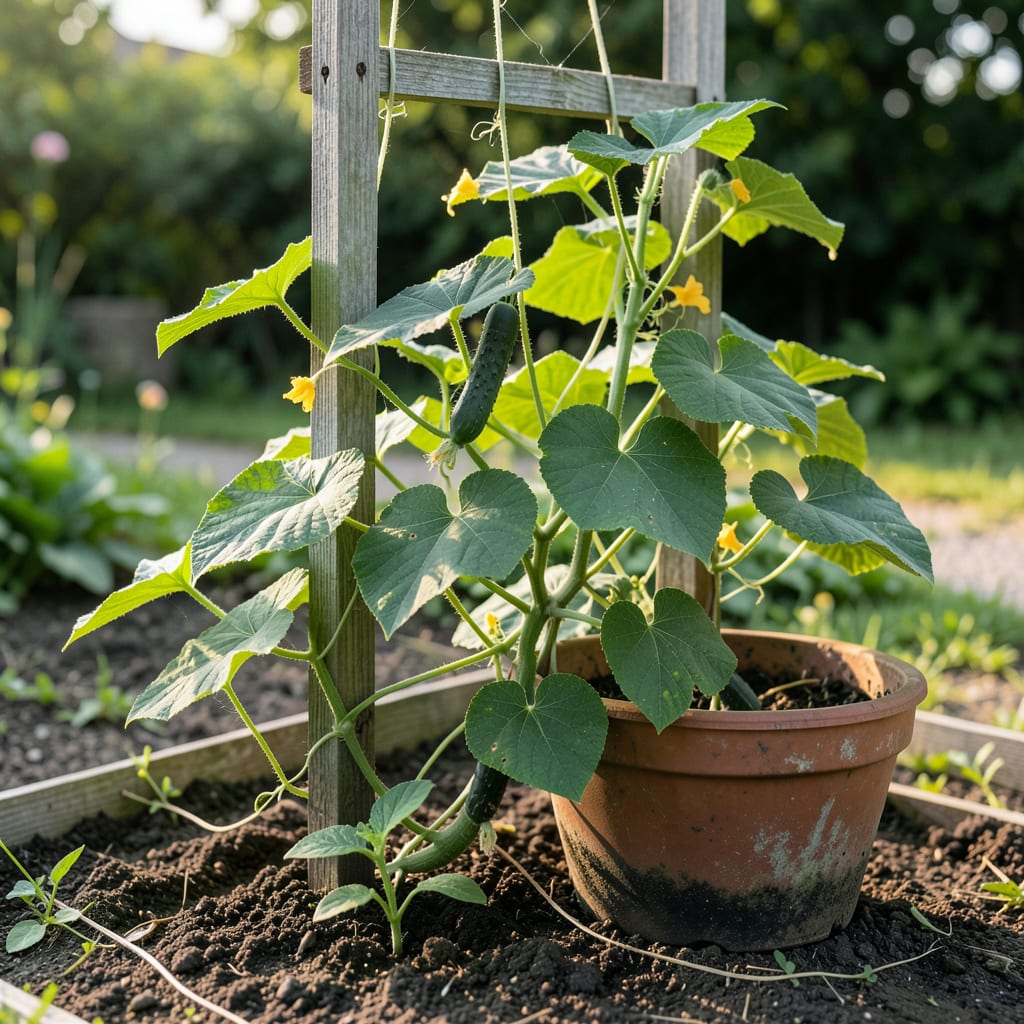
As spring arrives in North Carolina, gardeners eagerly anticipate planting their cucumber 🥒 seeds. The Tar Heel State’s climate offers ideal conditions for growing these versatile vegetables, but timing is everything.
In North Carolina’s USDA Zone 7b, the perfect window for planting cucumbers typically falls in late spring, when the soil has warmed up and the risk of frost has passed. Let’s explore the best practices for a bountiful cucumber harvest.
North Carolina’s diverse climate means that the ideal cucumber planting time varies across different regions. Understanding these regional differences is crucial for successful cultivation.
The state’s geography can be broadly divided into three main regions: the coastal plain, piedmont, and mountains. Each region has its unique climate characteristics that affect cucumber planting.
The coastal plain region typically experiences warmer temperatures earlier than the other regions, allowing for earlier planting. In contrast, the mountain region has a shorter growing season, delaying the planting time.
Frost dates play a critical role in determining the planting time. Gardeners should wait until the last frost date has passed before planting cucumbers. For most of North Carolina, this date falls between mid-April and early May.
Soil temperature is another crucial factor. Cucumbers thrive in warm soil, so it’s essential to wait until the soil has reached at least 60°F (15°C). This usually occurs around late spring in North Carolina.
By considering these regional differences and climate factors, gardeners can optimize their cucumber planting time and increase their chances of a successful harvest.
Understanding these regional nuances is key to maximizing cucumber yields in North Carolina’s diverse climate conditions.
For more specific guidance tailored to your exact location, it’s always a good idea to consult local gardening experts or check with your county extension office for the most accurate and up-to-date information.
By combining regional knowledge with proper soil preparation and careful planting, North Carolina gardeners can look forward to a bountiful cucumber harvest during the summer months.
The ideal soil temperature for cucumbers is between 65°F to 95°F (18°C to 35°C), with optimal germination occurring at 70°F to 85°F (21°C to 29°C). 🌡️
Monitoring both frost dates and soil temperature will help ensure that cucumber plants get off to a strong start, setting the stage for a successful growing season.
With proper planning and regional awareness, North Carolina gardeners can enjoy a thriving cucumber crop throughout the summer.
Before planting cucumbers in North Carolina, it’s essential to prepare your garden properly to ensure a successful harvest. Proper preparation includes soil preparation, understanding sun requirements, and implementing companion planting.
First, let’s focus on soil preparation. Cucumbers prefer well-draining, rich soil with a pH between 6.0 and 7.0. To achieve this, test your soil to determine its pH level and nutrient content. Based on the results, you may need to amend the soil with organic matter like compost or well-rotted manure to improve its structure and fertility.
Sun requirements are another critical factor. Cucumbers need full sun to produce well, so choose a location that receives at least 6-8 hours of direct sunlight per day. Ensure that the area is also free from shade caused by trees or other structures.
Companion planting can also benefit your cucumber crop. Some plants, like marigolds and nasturtiums, repel pests that target cucumbers, while others, like radishes, can help deter cucumber beetles. Consider incorporating these plants into your garden design.
By following these pre-planting tips, you can create an optimal environment for your cucumbers to thrive in North Carolina’s climate. Proper preparation will help ensure a healthy and productive cucumber crop.
For additional guidance on preparing your garden for cucumber planting, consult with local gardening experts or your county extension office for region-specific advice.
With careful planning and preparation, you’ll be well on your way to enjoying a bountiful cucumber harvest in the summer months. 🌞
Remember, successful cucumber cultivation in North Carolina requires attention to detail and a commitment to providing the right growing conditions. By following these guidelines, you can maximize your chances of a successful harvest.
Start preparing your garden now, and you’ll be ready to plant your cucumbers at the optimal time for your region.
After planting cucumbers in North Carolina, proper care is essential to ensure a bountiful harvest. This includes watering, pest management, and addressing common NC challenges.
Watering is crucial for cucumber plants. They require consistent moisture, especially when they’re producing fruit. Water them every 2-3 days, providing about 1-2 cups of water per plant. It’s best to water in the morning to minimize the risk of fungal diseases.
Water cucumbers in the morning to reduce fungal disease risk. Use soaker hoses or drip irrigation for efficient watering.
Pest management is another critical aspect of caring for cucumber plants. Common pests in North Carolina include cucumber beetles, aphids, and spider mites. Use organic pest control methods whenever possible, such as hand-picking, neem oil, or insecticidal soap.
Common challenges in North Carolina’s climate include high temperatures, humidity, and unpredictable rainfall. To mitigate these issues, ensure good air circulation around plants, use mulch to retain moisture and suppress weeds, and be prepared to provide supplemental watering during dry spells.
By following these care tips, you can help your cucumber plants thrive in North Carolina’s climate and enjoy a successful harvest. 🌞
For more specific advice on caring for your cucumber plants, consult with local gardening experts or your county extension office for region-specific guidance.
With proper care and attention, your cucumber plants will reward you with a bountiful harvest throughout the summer months.
Cucumbers thrive in warm soil, so it’s best to wait until the soil temperature reaches at least 60°F (15°C). The ideal range is between 65°F to 95°F (18°C to 35°C), with optimal germination occurring at 70°F to 85°F (21°C to 29°C).
Cucumber plants require consistent moisture, especially when producing fruit. Water them every 2-3 days, providing about 1-2 cups of water per plant. It’s best to water in the morning to minimize fungal disease risk.
Common pests in North Carolina include cucumber beetles, aphids, and spider mites. Use organic pest control methods whenever possible, such as hand-picking, neem oil, or insecticidal soap. Regular monitoring can help prevent infestations.
Yes, cucumbers can be grown successfully in containers in North Carolina. Choose a container with good drainage and a minimum size of 5 gallons. Ensure it receives full sun and maintain consistent moisture.
