
Beautiful Plants For Your Interior
Beautiful Plants For Your Interior
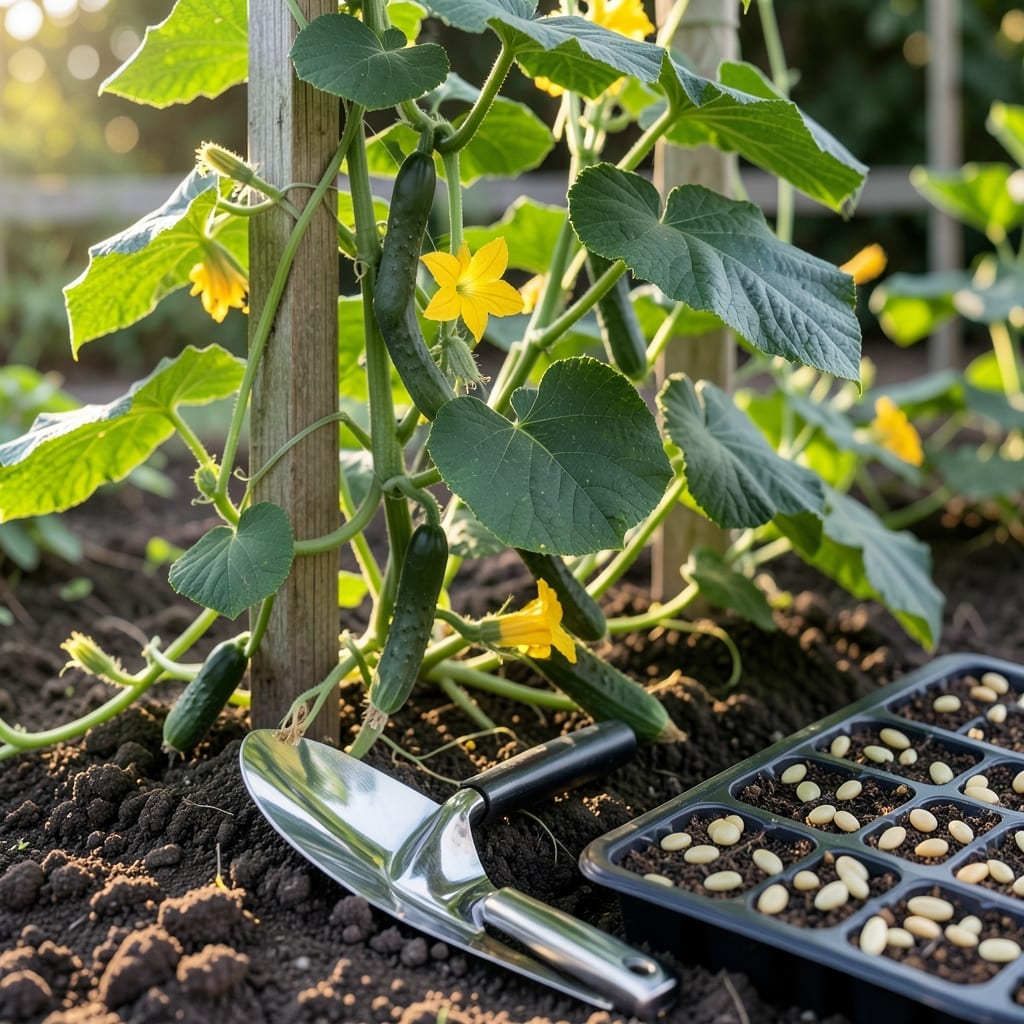
Timing is everything when planting Cucumber 🥒 seeds in Ohio. Plant too early and frost will kill your seedlings, wait too long and you’ll miss the peak growing season.
Ohio’s climate in zone 6 means you need to watch those last frost dates carefully. The difference between success and disappointment often comes down to just a few days.
I’ve learned through experience that getting the timing right is the key to a bumper crop. There’s a sweet spot that maximizes your growing season without risking your plants.
Discover exactly when to plant for crisp, homegrown Cucumber all summer long. Your garden will thank you for getting this right.
Ohio’s diverse climate means cucumber planting dates vary by region. In Northern Ohio, the last frost typically hits around May 10-15, so I wait until then to sow seeds directly outdoors. The soil must be at least 60°F for germination.
Central Ohio gardeners can start a bit earlier, around April 25-May 5, while Southern Ohio enjoys the longest growing season, with planting safe from April 15-20. These windows ensure your seeds avoid late frosts.
For direct sowing, I always check the 10-day forecast to confirm no late frosts are expected. Cucumbers are frost-sensitive, so even a light frost can kill young seedlings.
If you’re eager to get a head start, you can start seeds indoors 3-4 weeks before the last frost date. Use biodegradable pots to avoid disturbing roots during transplanting. This method works well in all regions.
Soil preparation is key. I amend my garden beds with compost and ensure good drainage. Cucumbers thrive in loamy, well-draining soil with a pH between 6.0 and 6.8.
In Northern Ohio, using black plastic mulch can help warm the soil faster. This trick can give you a 1-2 week head start on the growing season.
For successive planting, I sow a new batch of seeds every 2-3 weeks until mid-summer. This extends the harvest and ensures a continuous supply of fresh cucumbers.
Variety selection also impacts timing. Bush types mature faster and are great for containers, while vining types need more space but often yield more fruit.
Remember, microclimates matter. Urban areas, hilltops, and valleys can have slightly different frost dates. I always observe my local conditions closely.
With these regional guidelines, you’ll maximize your cucumber harvest in Ohio. Happy planting! 🌱
Planting cucumber seeds in Ohio isn’t just about the calendar—it’s about conditions. I’ve learned that soil temperature is the most critical factor, as cucumbers need at least 60°F to germinate properly.
Even if the air feels warm, cold soil can stall growth or rot seeds. That’s why I always check with a soil thermometer before sowing. Ohio’s unpredictable springs mean patience pays off. ☀️
I’ve seen gardeners rush planting after a warm spell, only to lose seedlings to a late frost. Ohio’s last frost dates vary: April 15 in the south, May 10 up north. Always err on the side of caution.
Another game-changer is cucumber variety. Fast-maturing pickling cucumbers like ‘Boston Pickling’ can handle a shorter season, while ‘Straight Eight’ slicing types need more warmth. Choose wisely for your area. 🌱
Don’t overlook microclimates in your yard. A south-facing wall or paved area retains heat, allowing earlier planting. Conversely, low-lying spots stay colder longer. Observe your space before deciding.
Finally, consistent moisture is key once seeds are in. I water gently but deeply, keeping soil evenly damp—not soggy—to support germination. This attention to detail makes all the difference. 💧