
Beautiful Plants For Your Interior
Beautiful Plants For Your Interior
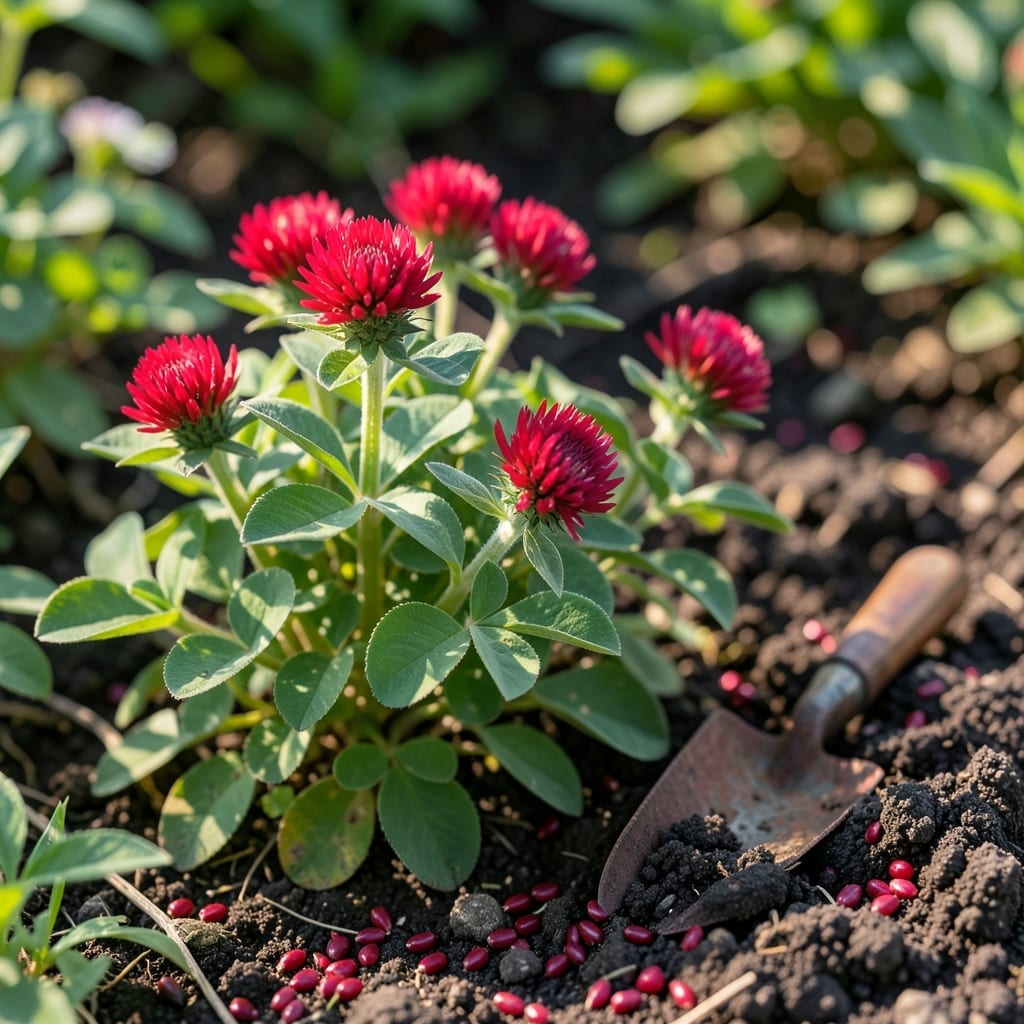
Timing is everything when planting Crimson Clover in Texas—get it right and you’ll enjoy vibrant blooms and improved soil health. The 🌸 Crimson Clover thrives when conditions align perfectly with its needs.
In zones 8a-9b, the ideal windows are fall and early spring. These seasons offer the most reliable conditions for strong germination and growth.
Plant too early or too late, and you risk poor results. Whether you’re in North or South Texas, understanding your local climate variations makes all the difference.
Discover how to pinpoint the perfect moment for your area and set your Crimson Clover up for success from the very first seed.
Texas gardeners know that timing is critical for crimson clover. The Lone Star State’s vast size means planting windows vary by region, but fall is generally ideal. I’ve found the sweet spot is September through November for most areas.
In North Texas, aim for early September to mid-October to avoid early frosts. Central Texas allows a slightly longer window, often stretching into late November. Meanwhile, South Texas can plant as late as early December due to milder winters.
| Region | Optimal Planting Months | Key Consideration |
|---|---|---|
| North Texas | September–October | Avoid early frosts |
| Central Texas | September–November | Moderate winter temps |
| South Texas | October–December | Mild winter climate |
For spring planting, March to early April works across most of Texas. However, I’ve noticed fall planting often yields better establishment before summer heat. The soil temperature should be 60–70°F for optimal germination rates.
In East Texas, where rainfall is more abundant, you can push the fall planting window slightly later. But in West Texas, with its drier conditions, I recommend early September to ensure seeds get enough moisture to sprout.
Don’t forget to check your local frost dates. Crimson clover is cold-hardy, but young plants need time to establish before the first hard freeze. In most of Texas, this means 4–6 weeks before the first frost.
If you’re in the Texas Panhandle, where winters are harsher, stick to early September planting. This gives your clover the best chance to root deeply before the cold sets in. I’ve seen stunted growth in plants sown too late in this region.
For gulf coast areas, the mild winters allow for later planting. You can even sow in December or January and still get a strong stand. Just ensure the soil isn’t waterlogged from winter rains.
Remember, crimson clover thrives in well-drained soil with full sun. If you’re planting in shadier spots, adjust your timeline to allow for slower growth. I always test soil pH first—this plant prefers 6.0–7.0.
Finally, keep an eye on the weather forecast. Texas is known for its unpredictable swings, so I recommend planting in stages to hedge your bets. This way, if one batch struggles, another may thrive.
With the right timing, you’ll enjoy vibrant red blooms and improved soil health come spring 🌸
Planting crimson clover in Texas requires careful timing. I’ve found that soil temperature is the most critical factor—aim for 60–70°F for optimal germination. Texas’ varied climate means you’ll need to adjust based on your region.
Moisture levels and sunlight exposure also play a big role. Crimson clover thrives in well-drained soil with consistent moisture, and it needs full sun to flourish. Watch for local microclimate signs like rainfall patterns.
Texas’ unpredictable weather can throw a wrench in your plans. Late frosts in North Texas or unexpected droughts in West Texas can delay planting. I always check the 10-day forecast before sowing.
For fall planting, September to November is ideal in most regions. This timing allows crimson clover to establish roots before winter. In South Texas, you might push planting into early December.
Spring planting is possible in March to April, but it’s riskier. The heat of Texas summers can stress the plants if they’re not well-established. I’ve had better luck with fall plantings in my own garden.
Don’t overlook seed inoculation. Crimson clover benefits from rhizobium bacteria, which helps it fix nitrogen. Skipping this step can lead to poor growth and weaker plants.
Finally, test your soil pH before planting. Crimson clover prefers slightly acidic to neutral soil. If your soil is too alkaline, amend it with compost or sulfur to create the perfect environment. ☀️