
Beautiful Plants For Your Interior
Beautiful Plants For Your Interior
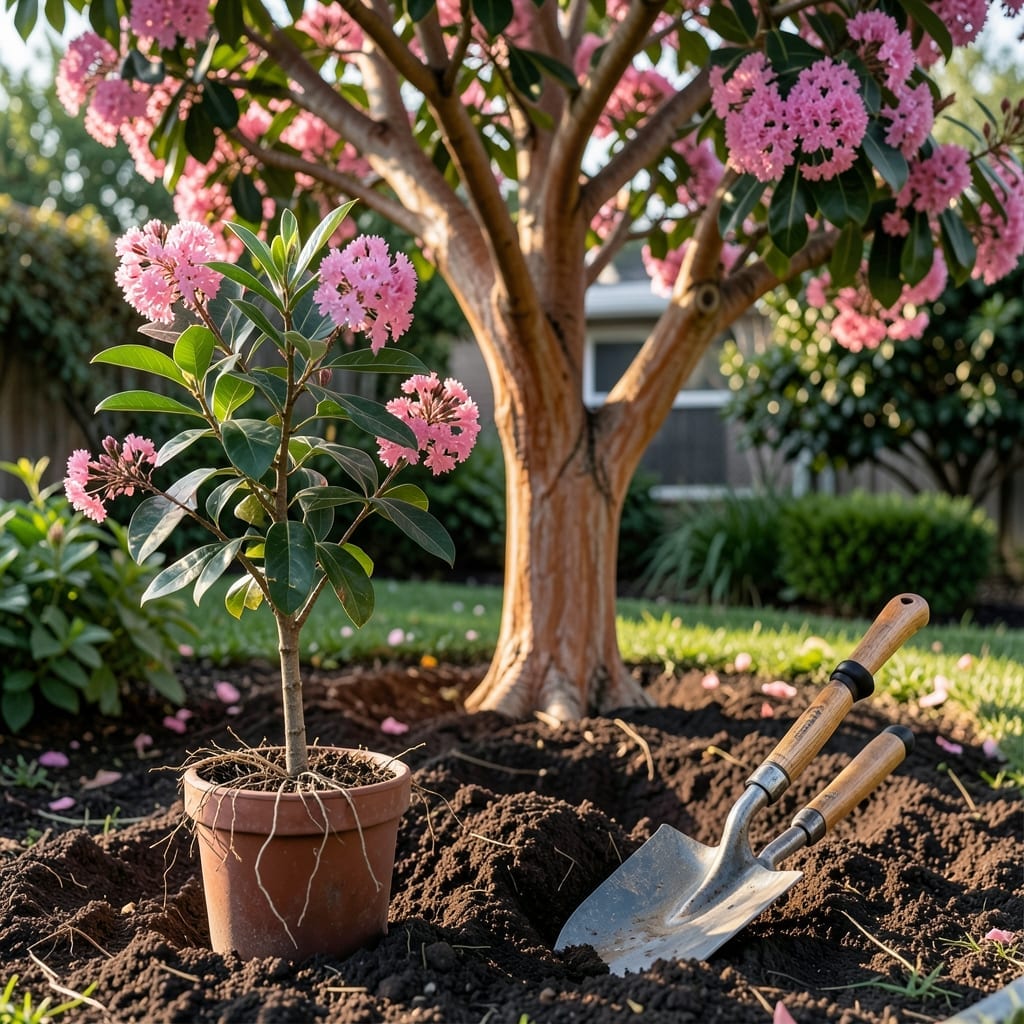
Timing is everything when planting Crape Myrtles in Oklahoma—get it right, and you’ll enjoy vibrant blooms and healthy growth for years to come.
Plant too early or too late, and your 🌳 trees may struggle to establish roots or survive harsh weather. The key is aligning with Oklahoma’s unique climate.
I’ve seen many gardeners make the mistake of rushing the process. The ideal window ensures your Crape Myrtle thrives from day one.
Discover the perfect months to plant in zones 6b-7a and set your garden up for success.
In Oklahoma, the ideal window to plant crape myrtles is from March to May. This aligns with the state’s USDA zones 6b-7a, where spring offers the perfect balance of warmth and moisture.
I recommend planting after the last frost, typically around April 15. This ensures the soil has warmed, giving your crape myrtle a strong start for root establishment. 🌳
Early spring planting allows roots to establish before summer heat. The moderate temperatures and spring rains reduce stress on young trees, promoting faster growth.
For fall planting, aim for September to early October. This gives roots time to settle before winter dormancy. However, spring remains my top recommendation for Oklahoma.
I’ve found that crape myrtles planted in spring often bloom in their first year. The warm Oklahoma soil encourages rapid root development, which is crucial for drought tolerance later. 🌿
Soil preparation is key. Test your soil’s pH—crape myrtles prefer slightly acidic to neutral (6.0-7.0). Amend with compost if needed to improve drainage and fertility.
Remember, container-grown crape myrtles can be planted anytime during the growing season. But bare-root plants do best when planted in early spring while still dormant.
I always advise planting in the morning or late afternoon to avoid heat stress. Water thoroughly after planting and maintain consistent moisture for the first few weeks.
The Oklahoma summer heat can be intense, so proper timing gives your crape myrtle the best chance to establish a strong root system before the peak temperatures arrive. ☀️
Choosing between spring and fall planting for crape myrtles in Oklahoma depends on your climate zone and care capacity. Both seasons offer advantages, but each requires different preparation and aftercare.
I’ve tested both approaches in my own garden. Spring planting from March to May gives trees a full growing season to establish roots before summer heat. This is ideal for zones 6b-7a where early warmth promotes rapid growth. 🌳
Fall planting from September to early October works well if you want to avoid summer watering. The cooler temperatures reduce transplant shock, and autumn rains help roots settle before dormancy.
However, I always remind gardeners that fall-planted crape myrtles need extra mulch for winter protection. Without it, young roots can be damaged by early freezes, which are common in Oklahoma by mid-October.
For container-grown crape myrtles, either season works if you’re consistent with watering. But bare-root plants are best planted in spring when they’re still dormant and can focus energy on root development.
In my experience, spring-planted crape myrtles often bloom in their first year. The warm soil and longer growing season give them a head start on establishing the strong root system needed for Oklahoma’s intense summers. ☀️