
Beautiful Plants For Your Interior
Beautiful Plants For Your Interior
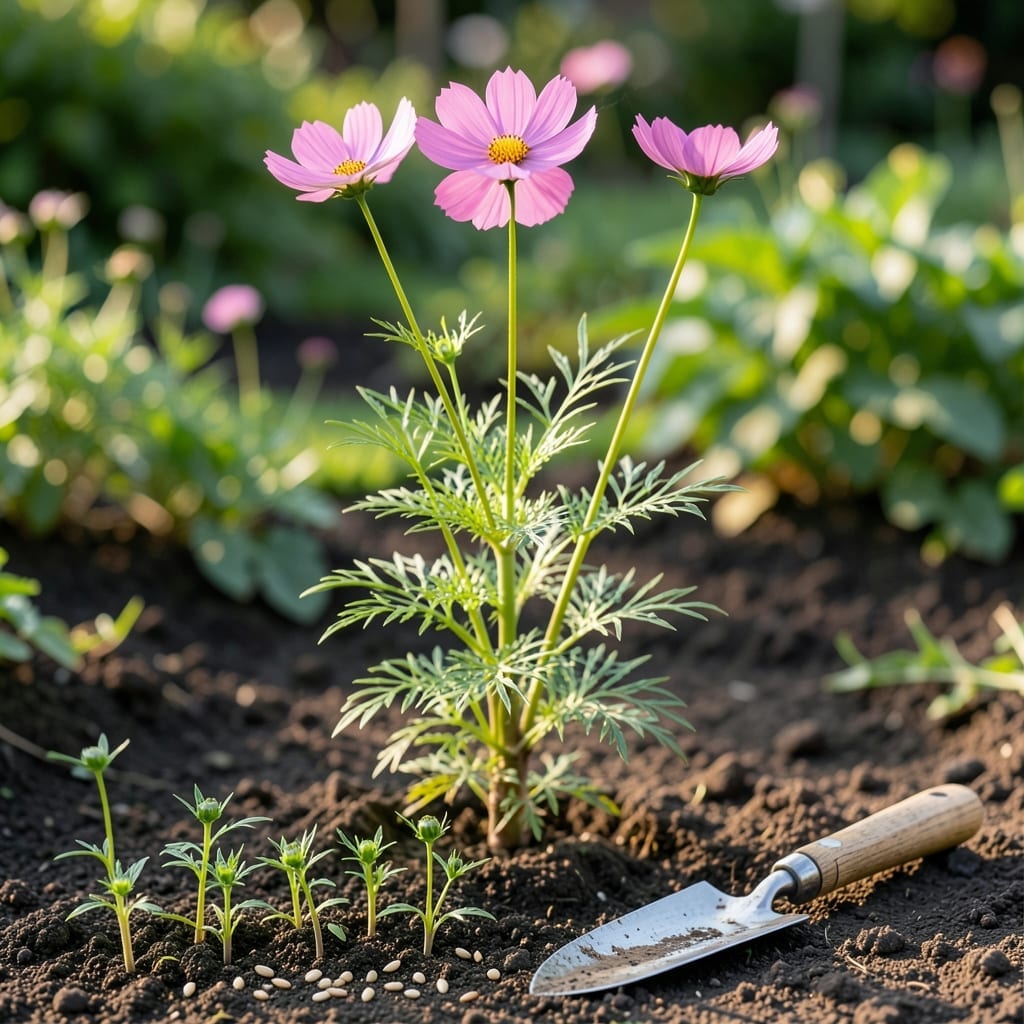
Cosmos flowers bring effortless beauty with their daisy-like blooms and feathery foliage. The 🌼 cosmos is a garden favorite that thrives with minimal effort.
Timing is everything for maximum impact. Plant them at the right moment, and you’ll enjoy vibrant colors from midsummer until frost.
Discover the best times to plant cosmos in your zone and how to ensure a stunning display all season long.
Timing your cosmos planting perfectly ensures vibrant blooms all season. I’ve found these daisy-like flowers thrive when planted after the last frost, but the exact timing varies by climate zone and soil conditions.
Soil temperature is key—wait until it hits 60°F for best germination. In warmer zones, you can start earlier, while cooler areas need to wait until late spring or early summer.
| USDA Zone | Planting Time | Soil Temp | Notes |
|---|---|---|---|
| Zones 1-3 | Late May-June | 60°F+ | Start indoors 4-6 weeks before last frost |
| Zones 4-6 | Mid-April to May | 60°F+ | Direct sow after last frost date |
| Zones 7-9 | March-April | 55°F+ | Early start for longer blooming season |
| Zones 10-11 | February-March | 50°F+ | Can plant year-round in frost-free areas |
In cooler climates like Zones 1-3, I recommend starting seeds indoors. This gives them a head start before transplanting outdoors after the last frost date has passed.
For moderate zones like 4-6, you can direct sow seeds outdoors once the soil warms. I’ve had great success planting in mid-April when the ground is workable and temperatures are rising.
Warmer zones 7-9 allow for earlier planting. I often see gardeners in these areas start as early as March, taking advantage of the longer growing season for continuous blooms.
In Zones 10-11, where frost is rare, you can plant cosmos almost year-round. The key is avoiding the hottest summer months, as extreme heat can stress young plants.
Remember, cosmos are drought-tolerant once established, but they need consistent moisture during germination. I always water gently but regularly until the seedlings are about 3 inches tall.
For the best results, choose a sunny location with well-draining soil. I’ve found that cosmos perform exceptionally well in spots that receive at least 6 hours of sunlight daily.
If you’re unsure about your soil temperature, use a simple soil thermometer. It’s a small investment that can make a big difference in your germination success rate. 🌱
For a non-stop cosmos display, I use succession planting. Start a new batch of seeds every 2-3 weeks to keep fresh blooms coming as earlier plants fade.
Soil preparation is simple but important. I loosen the top 6 inches and mix in compost for better drainage and nutrition.
I’ve found that cosmos thrive in poor soil, but adding organic matter gives them a stronger start. Avoid over-fertilizing, as this can lead to more foliage and fewer flowers.
Spacing matters for air circulation and disease prevention. For dwarf cosmos, 12 inches works well, while taller varieties need up to 24 inches between plants.
To extend the season, I plant early varieties first, followed by mid-season types, then late bloomers. This staggered approach ensures color from early summer to frost.
Watering tip: Keep soil moist but not soggy during germination. Once established, cosmos are drought-tolerant and only need water during prolonged dry spells. 🌱