
Beautiful Plants For Your Interior
Beautiful Plants For Your Interior
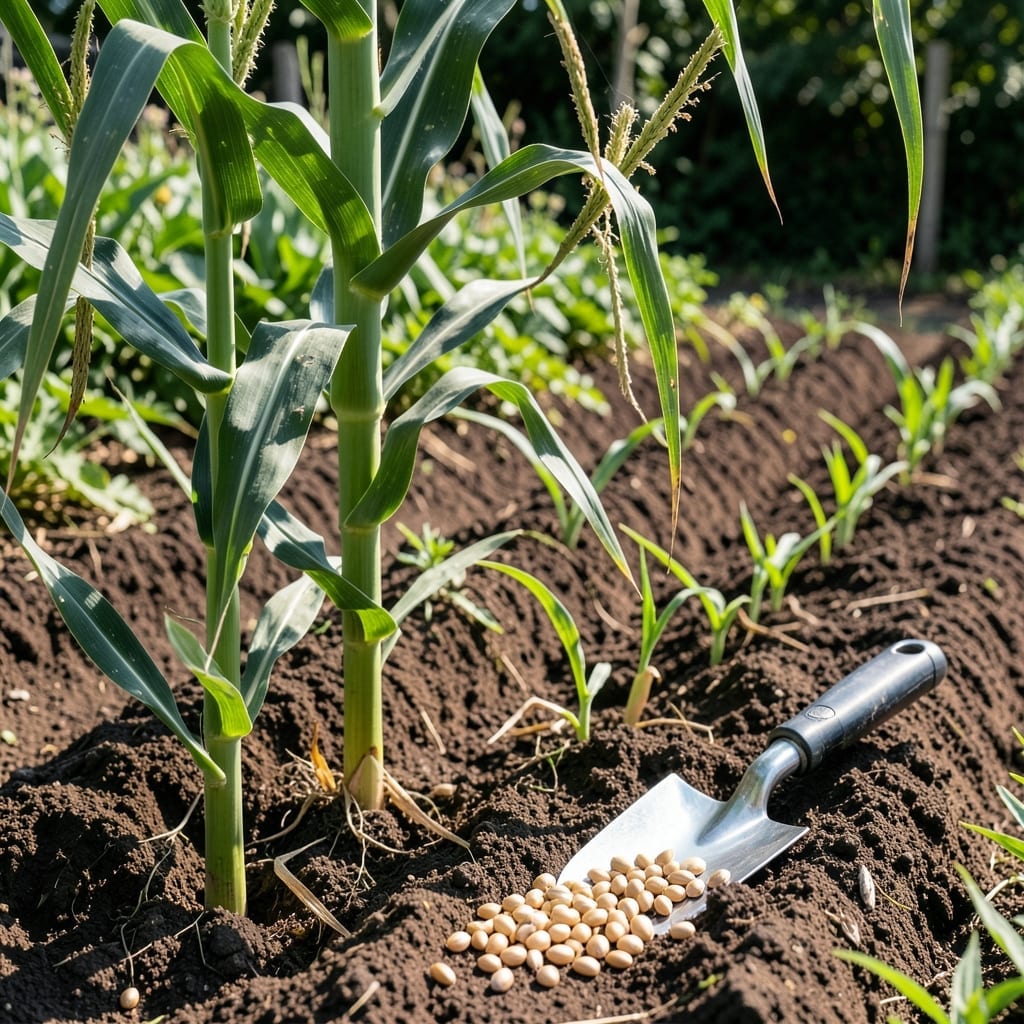
Timing is everything when planting 🌽 corn in West Virginia, where the state’s varied climate can make or break your harvest. Plant too early, and frost will ruin your crop.
Too late, and you risk stunted growth before summer heat arrives. I’ve learned the hard way that April through June is your sweet spot for success.
West Virginia’s zones 6a-7a offer a generous window, but soil temperature is the real game-changer. You need that soil to hit at least 60°F for seeds to thrive.
Let me walk you through the exact timing and regional tips that’ll ensure your corn grows tall and strong. The difference between a mediocre harvest and an abundant one often comes down to just a few well-timed days.
West Virginia’s diverse elevation and climate zones create unique planting windows for corn. The state spans USDA zones 5-7, with significant differences between highland and valley regions.
In the Appalachian highlands, cooler temperatures mean you’ll plant later than in the river valleys. Always check your local last frost date, which ranges from April 15 to May 10 across the state.☀️
| Region | USDA Zone | Planting Window | Soil Temp | Last Frost |
|---|---|---|---|---|
| Northern Highlands | 5-6 | Mid-May to early June | 60°F+ | May 10 |
| Central Valleys | 6-7 | Late April to mid-May | 55°F+ | April 15-30 |
| Southern Lowlands | 7 | Early April to early May | 50°F+ | April 1-15 |
| Appalachian Plateau | 5-6 | Mid-May to early June | 60°F+ | May 5-15 |
I recommend using a soil thermometer to check conditions at 2-inch depth. Corn seeds won’t germinate properly in cold soil, and may rot if temperatures dip below 50°F.
For the best results, plant when soil has warmed to at least 60°F. This ensures quick germination and strong seedling development before summer heat arrives.
In higher elevations, you might need to wait until late May for optimal conditions. The growing season is shorter here, so choose early-maturing varieties like ‘Early Sunglow’ or ‘Quickie’.
River valleys in the Ohio and Kanawha regions warm up faster. Here, you can often plant as early as mid-April if the forecast shows no late frosts.
Remember that corn is wind-pollinated, so plant in blocks of at least 3 rows rather than single rows. This improves pollination rates and leads to fuller ears.
If you’re in a borderline zone, consider starting seeds indoors in biodegradable pots. This gives you a head start while avoiding transplant shock.
West Virginia’s unpredictable spring weather means you should always have row covers ready. A sudden cold snap can set back young plants, so be prepared to protect them.
By matching your planting date to your specific region’s conditions, you’ll maximize your chances of a successful corn harvest in the Mountain State.🌱
Planting corn in West Virginia isn’t just about dates—it’s about understanding your microclimate. I’ve learned that soil temperature must hit 60°F for seeds to germinate properly, which often lags behind air temps.
West Virginia’s elevation changes create pocket climates, so river valleys warm faster than the Appalachian highlands. This means your neighbor’s planting date might not work for you.
I always check county-specific frost dates because West Virginia spans USDA Zones 5-7. The Eastern Panhandle often plants 2 weeks earlier than the High Alleghenies.
Choosing the right corn variety matters too. For our shorter growing season in higher elevations, I recommend early-maturing hybrids like ‘Early Sunglow’ (65 days).
Soil moisture is another critical factor. Planting in cold, wet soil leads to poor germination and rot. I wait until the soil crumbles easily in my hand.
Finally, keep an eye on extended forecasts. A late May frost can devastate young corn. I use cloches or row covers for extra protection if a cold snap threatens after planting. ☀️