
Beautiful Plants For Your Interior
Beautiful Plants For Your Interior
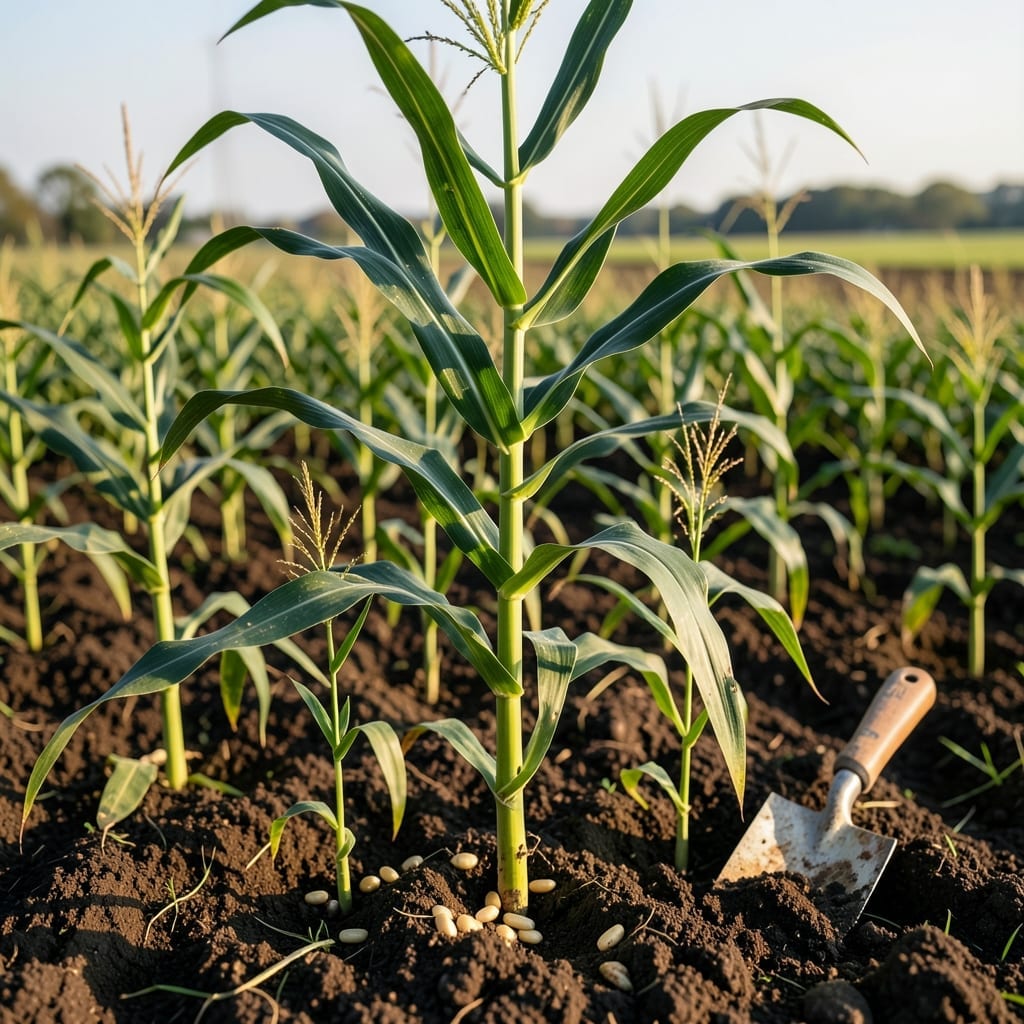
Timing is everything when planting corn in Virginia—plant too early, and frost can wipe out your crop; too late, and you’ll miss the sweet, juicy harvest.
For Zone 7a gardeners, the perfect window is from April to June, when the soil warms up to at least 60°F. This ensures your 🌽 seeds germinate quickly and grow strong.
I’ve seen firsthand how nailing this timing leads to plump, flavorful ears by July. It’s the difference between a bountiful harvest and a disappointing season.
Discover the exact steps to get your Virginia corn crop off to the best start. Let’s make this your most successful planting year yet.
Virginia’s Zone 7 climate offers a long growing season, but timing your corn planting is critical. The last frost date is typically April 15, so I wait until soil warms to at least 60°F before sowing seeds.
For the best results, I aim to plant sweet corn in mid-April through June. Early varieties can go in as soon as the soil is warm, while late varieties do best with a May planting to avoid summer heat stress.
| Requirement | Specification |
|---|---|
| Last Frost Date | April 15 |
| Soil Temperature | 60°F minimum |
| Planting Window | April – June |
| Harvest Window | July – September |
| Sunlight Needs | 6+ hours daily |
I always check my local microclimate, as areas near the Chesapeake Bay or in the Blue Ridge Mountains may have slightly different conditions. Coastal regions often warm up faster, allowing for earlier planting.
Early corn varieties like Sugar Buns or Early Sunglow are perfect for April planting. These mature in about 60-70 days, giving you a head start on the season. For a continuous harvest, I stagger plantings every 2-3 weeks.
Mid-season varieties such as Peaches and Cream or Silver Queen thrive when planted in May. These need 80-90 days to mature and handle Virginia’s summer heat better than early types.
Late varieties like Country Gentleman or Stowell’s Evergreen do best when planted in early June. These take 90-100 days and produce sweet, flavorful kernels perfect for late-summer meals.
I avoid planting too late in June, as fall frosts can arrive by October 15. Corn needs warm soil and consistent moisture, so I ensure my garden has well-draining soil to prevent waterlogging during Virginia’s humid summers.
For the best germination, I plant seeds 1 inch deep and 4-6 inches apart in rows spaced 30-36 inches apart. This gives each plant enough room to grow tall and strong while allowing for proper pollination from the wind.
If I’m planting in clay-heavy soil, I amend it with compost or aged manure to improve drainage and fertility. Corn is a heavy feeder, so I also add a balanced fertilizer at planting time to support vigorous growth.
By following these timing guidelines and preparing my soil properly, I’ve found that my Virginia corn crops consistently produce sweet, juicy ears all season long. ☀️
Preparing your Virginia garden properly is key to a successful corn harvest. I start by testing my soil to ensure it has the right pH level between 6.0 and 6.8, which corn loves.
Virginia’s clay-heavy soil can be tricky, so I amend it with compost or aged manure to improve drainage and add nutrients. This helps prevent waterlogging during our humid summers.
I always plant corn in blocks rather than single rows to ensure proper wind pollination. Each block should be at least 3-4 rows wide for the best results.
For pest control, I use companion planting with beans or squash to deter raccoons and corn earworms. These plants also help improve soil health and reduce weeds.
I space my seeds 4-6 inches apart and 1 inch deep. This gives each plant enough room to grow while ensuring good root development and stability.
After planting, I mulch around the base of the plants to retain moisture and suppress weeds. This is especially important in Virginia’s hot, dry spells during summer.
With these preparations, my corn plants grow strong and healthy, ready to produce those sweet, juicy ears we all love. 🌱